Patience and Presence

Cooper Padilla

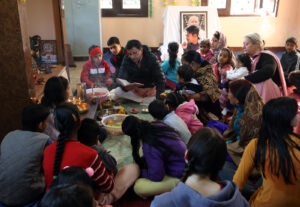
During our time at Sri Ram Ashram, we were introduced to a prayer tradition called Arati. Arati is performed and celebrated by the Ashram kids every night before dinner, but it extends beyond just the Sri Ram Ashram; it’s a part of Hindu culture. Arati entails a ritual of devotional singing and prayer towards Hindu deities. It is a time of passionate praise and worship, vastly different from what I have witnessed in Western culture. Observing the kids treat Arati with such respect and focus was inspiring. Children ranging from around ages three to eighteen come together selflessly to devote themselves to a higher purpose. Despite my expectations based on experiences in the West, I was mistaken in anticipating misbehavior and distractions among the children.

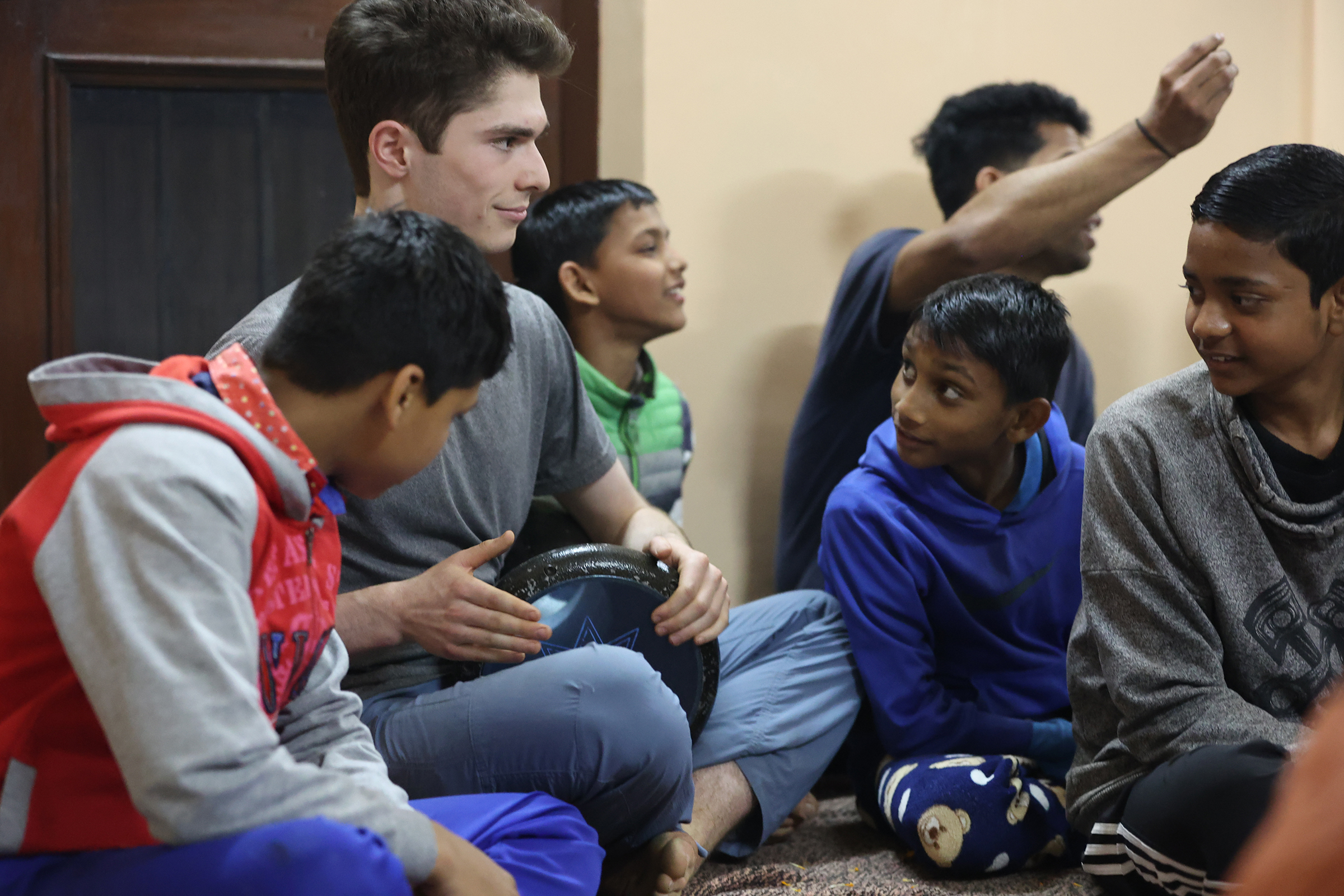
Arati is performed before a shrine holding various Hindu statues and pictures, along with a flame lit in praise of the deities. However, it’s the rhythm and melody of the Arati songs that moved me the most. I was taken aback when the drumming for Arati began. Initially, I had seen very young children holding drums, and I hadn’t expected much rhythmic competence. I anticipated a simple four-beat rhythm, similar to clapping along with a song. However, the young musicians demonstrated a unique rhythm with specific emphasis, transitioning from a four-beat to a seven-beat time signature seamlessly. This amazed me, as Western music rarely incorporates such exotic time signatures. Even very experienced musicians I have met would struggle with this concept. To the children, however, it was second nature. The drummers interacted with each other, playing separate parts at times, thus creating a more diverse rhythmic structure. Then, in unison, they would completely change the rhythm as required by the Arati song. As I attended Arati more frequently, I noticed that most of the kids could participate in the drumming with a sufficient level of understanding. Initially surprising, I later realized that since they had Arati every day, this proficiency was understandable. It was beautiful to see how the children absorbed this rhythmic feel at such a young age, much like learning a language through immersion.
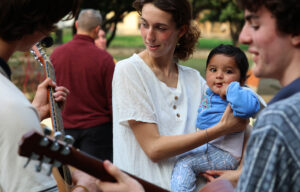
Another aspect that amazed me was their patience, particularly during a call-and-response section of the song led by one of the older kids. The phrase was sung, and then it was up to everybody else to repeat it rhythmically. Initially, my classmates and I rushed the beat, a common issue among American musicians, especially younger ones. However, the children from the ashram repeated back slowly and meticulously, without any sense of urgency, perfectly in time with one another and relaxed in their execution. While I’m uncertain why they possess this rhythmic acuity, I’m inclined to attribute it to their presence in the moment, something that the United States is known to lack.

These experiences have altered my perspective on music and how I intend to conduct myself as a musician in the future. Patience and presence are key.

Beatrice Miller

Once a year, a group of bright-eyed seniors spend a brief week at Sri Ram Ashram. It’s a week of close-knit meals, friendly playtime competition, and comforting Aarti evenings. The memories made at the ashram impact these twelfth graders lives forever, marking their time in India with joyful energy, and then they leave.

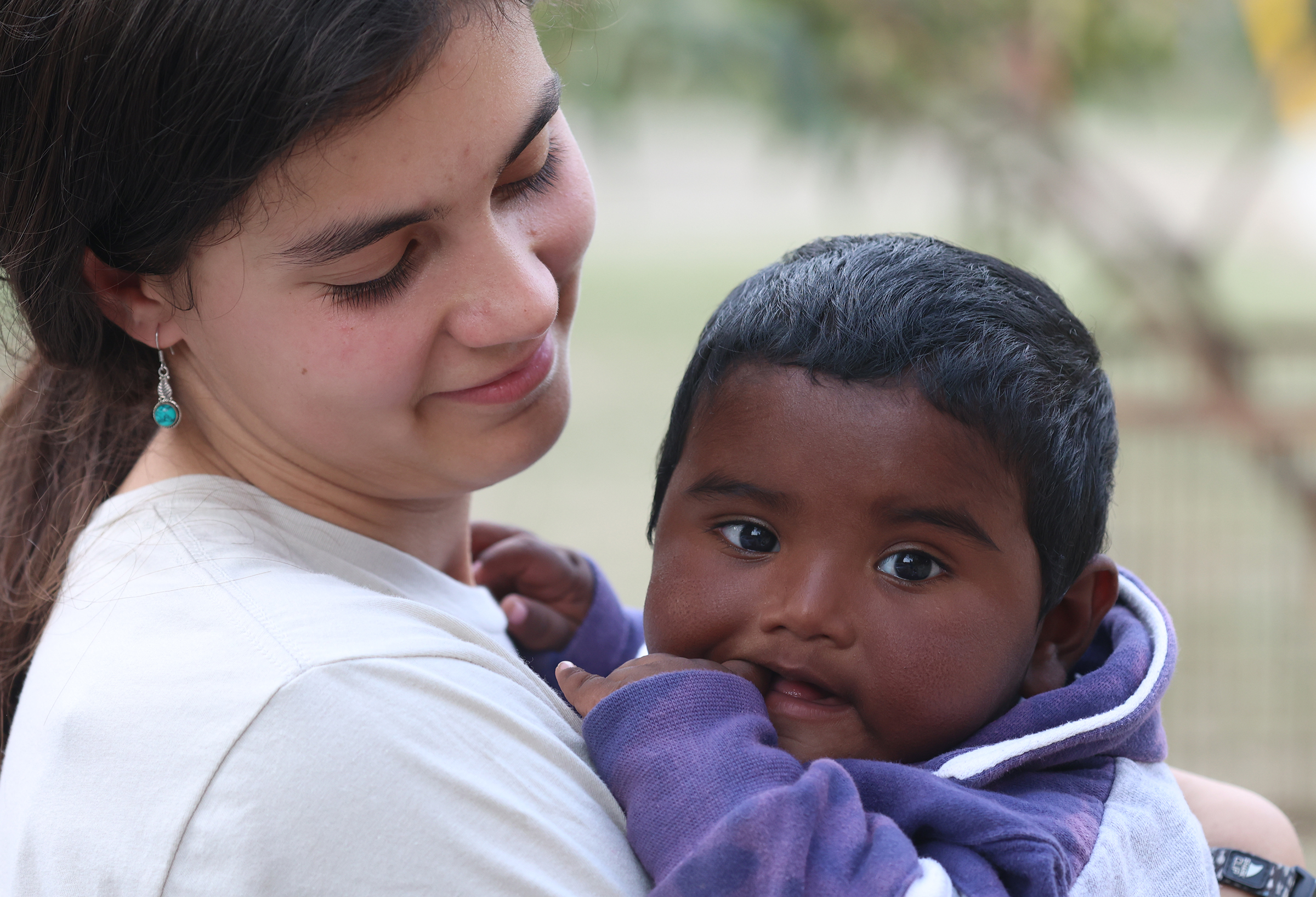
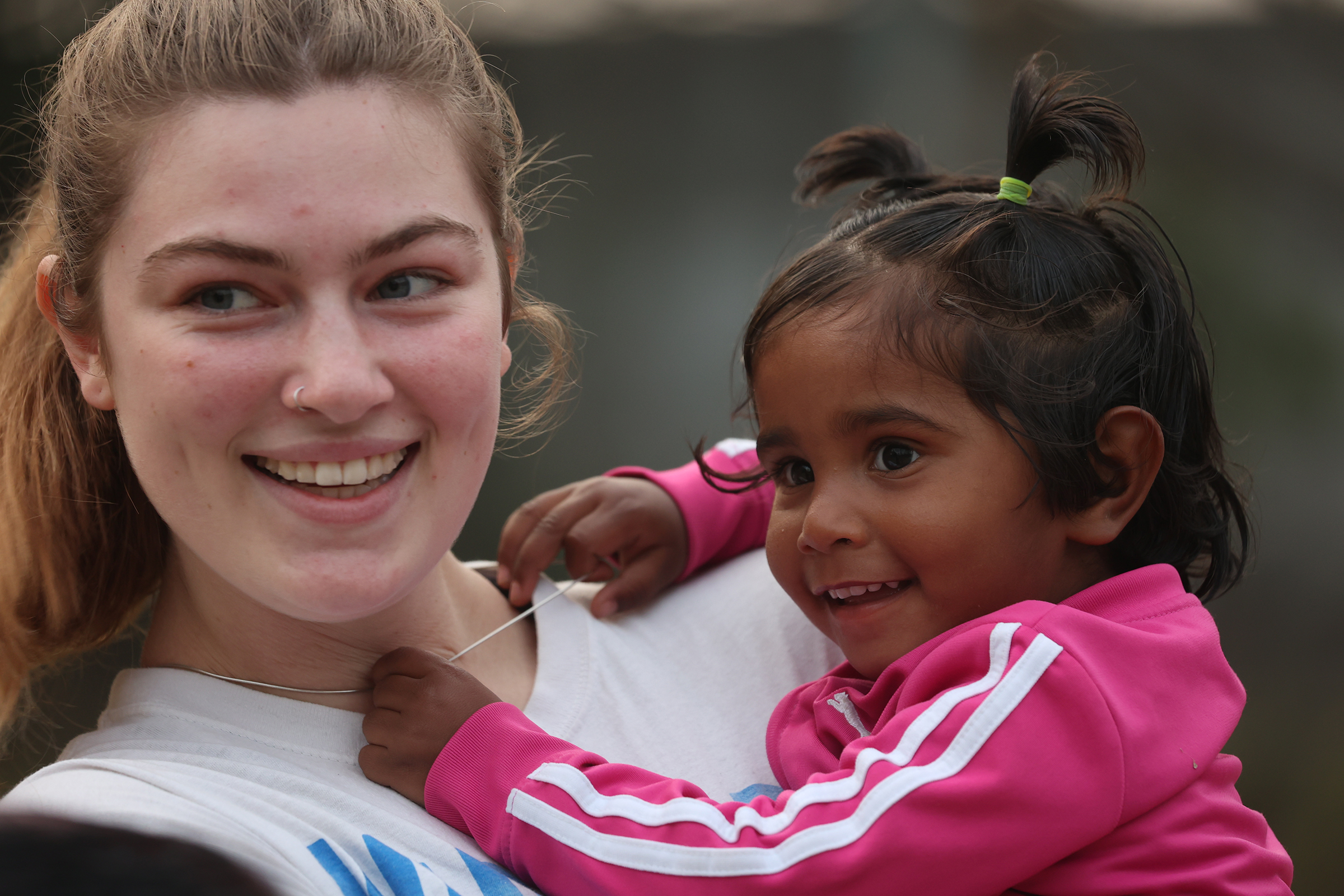
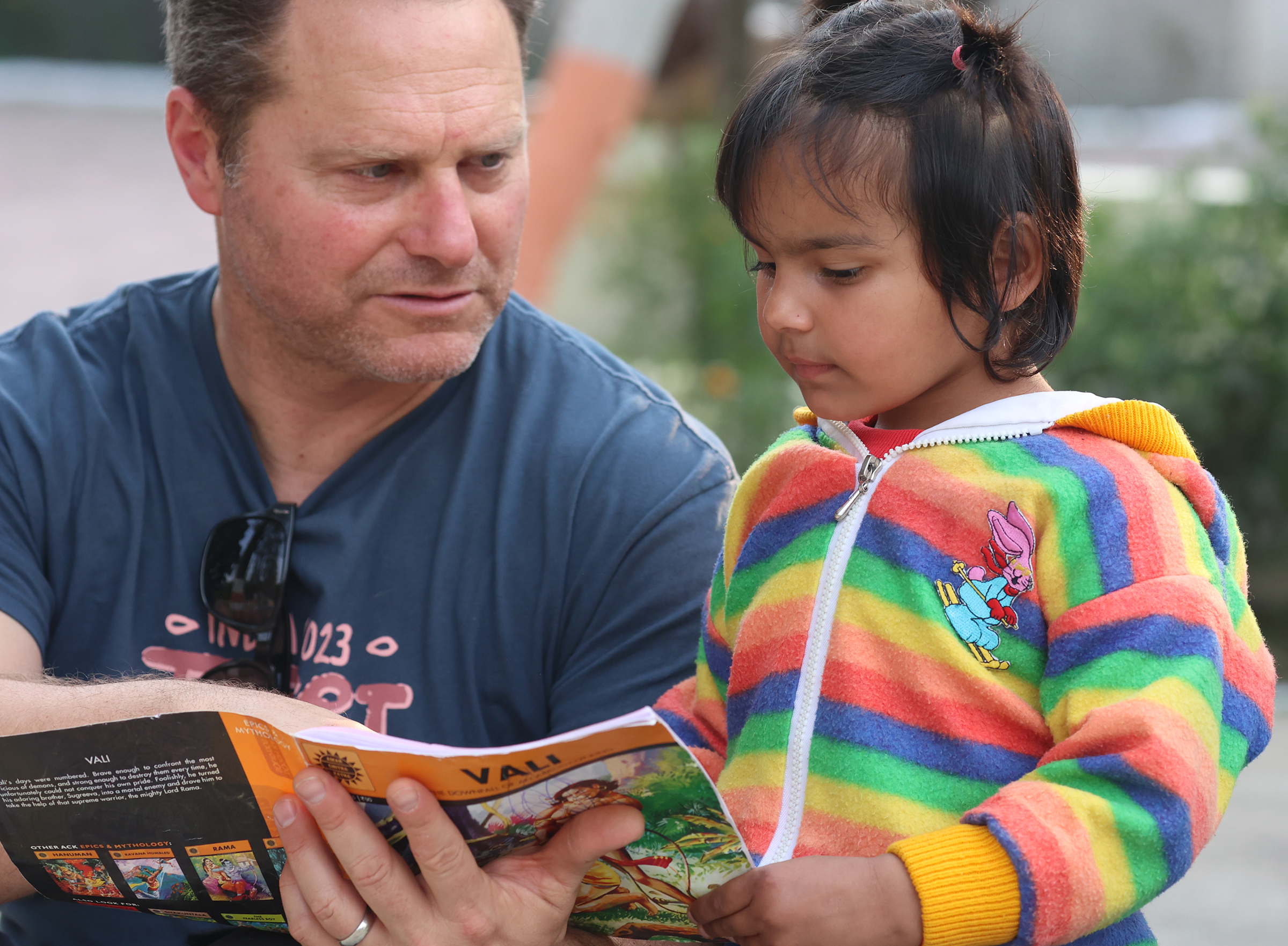
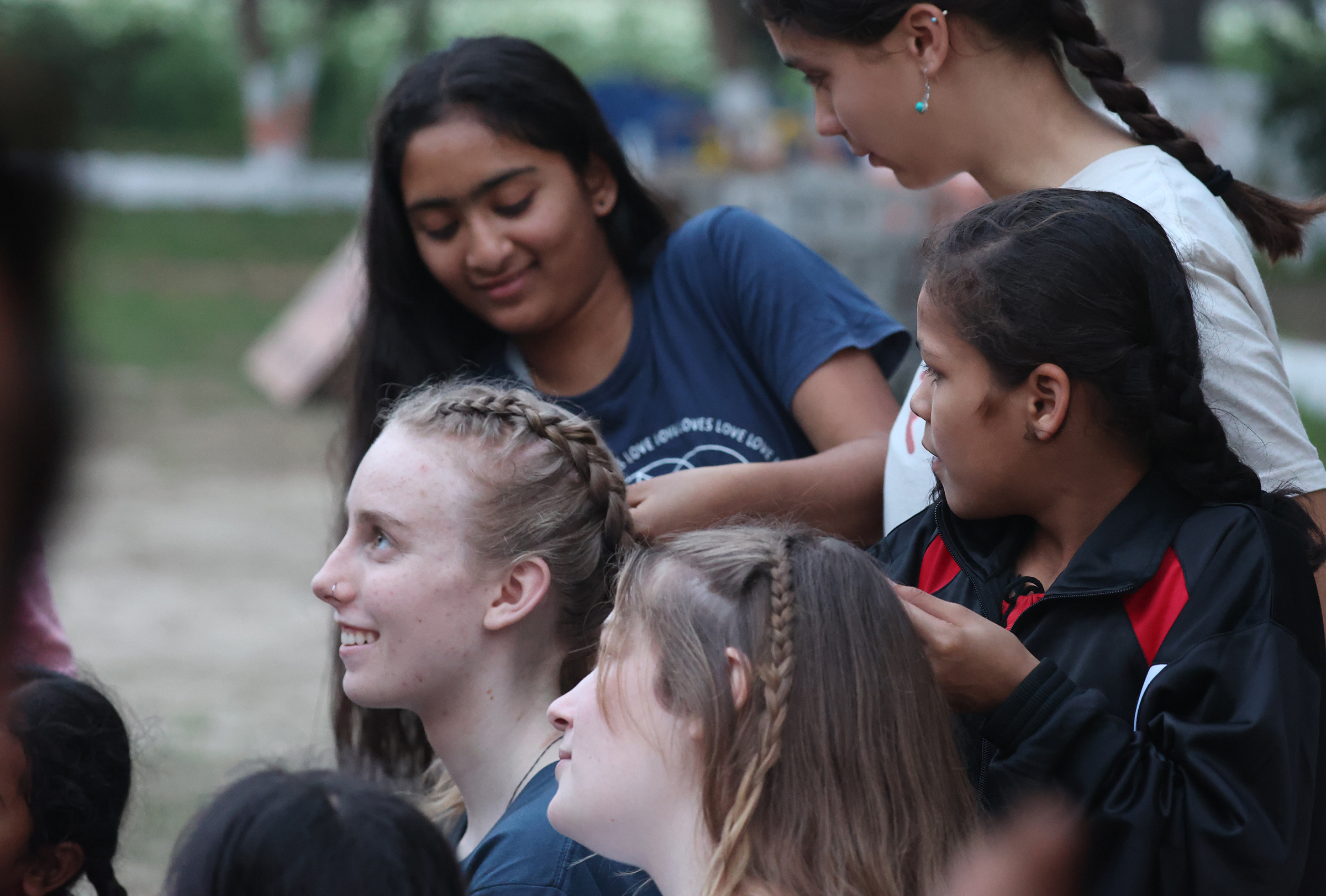
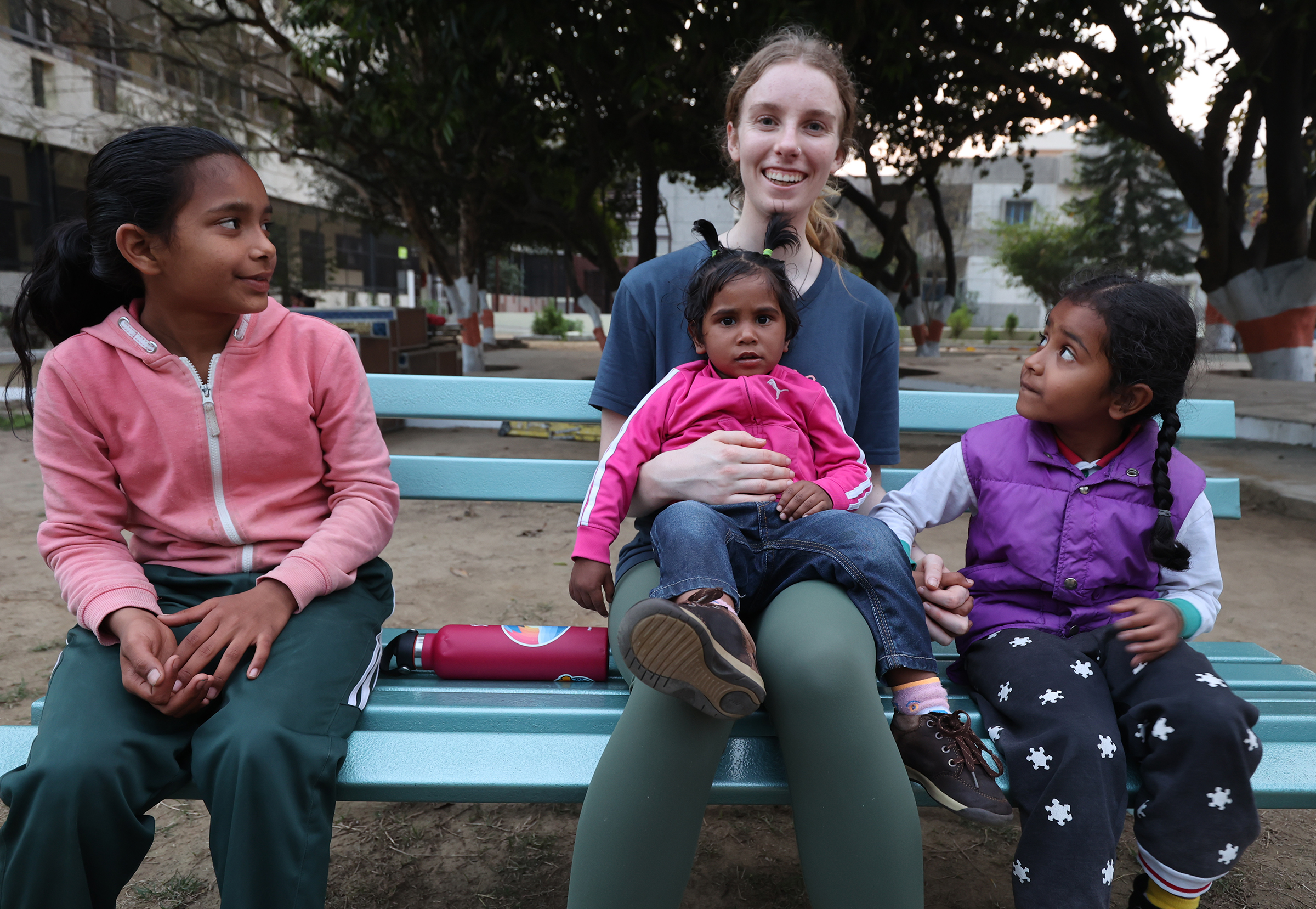
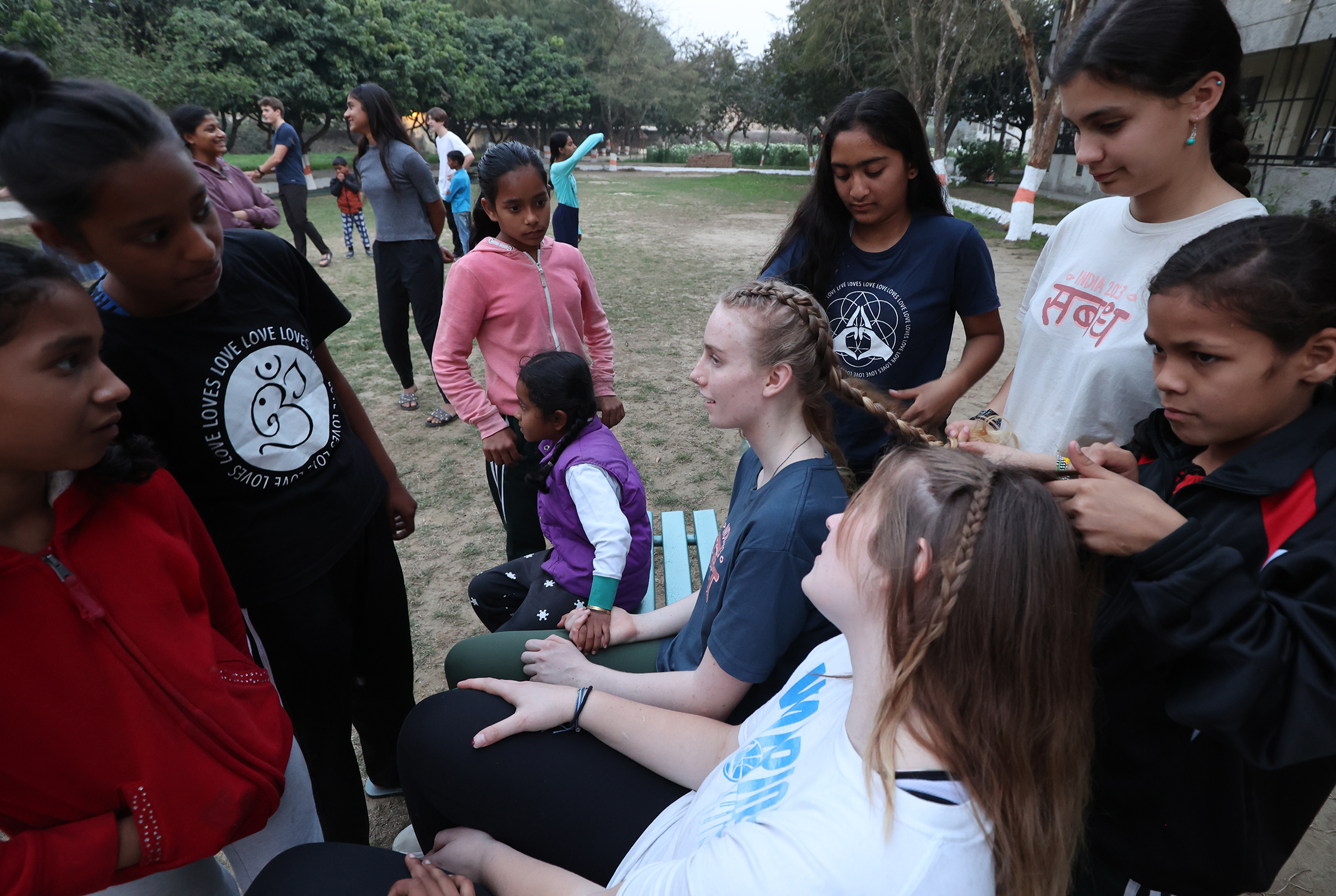
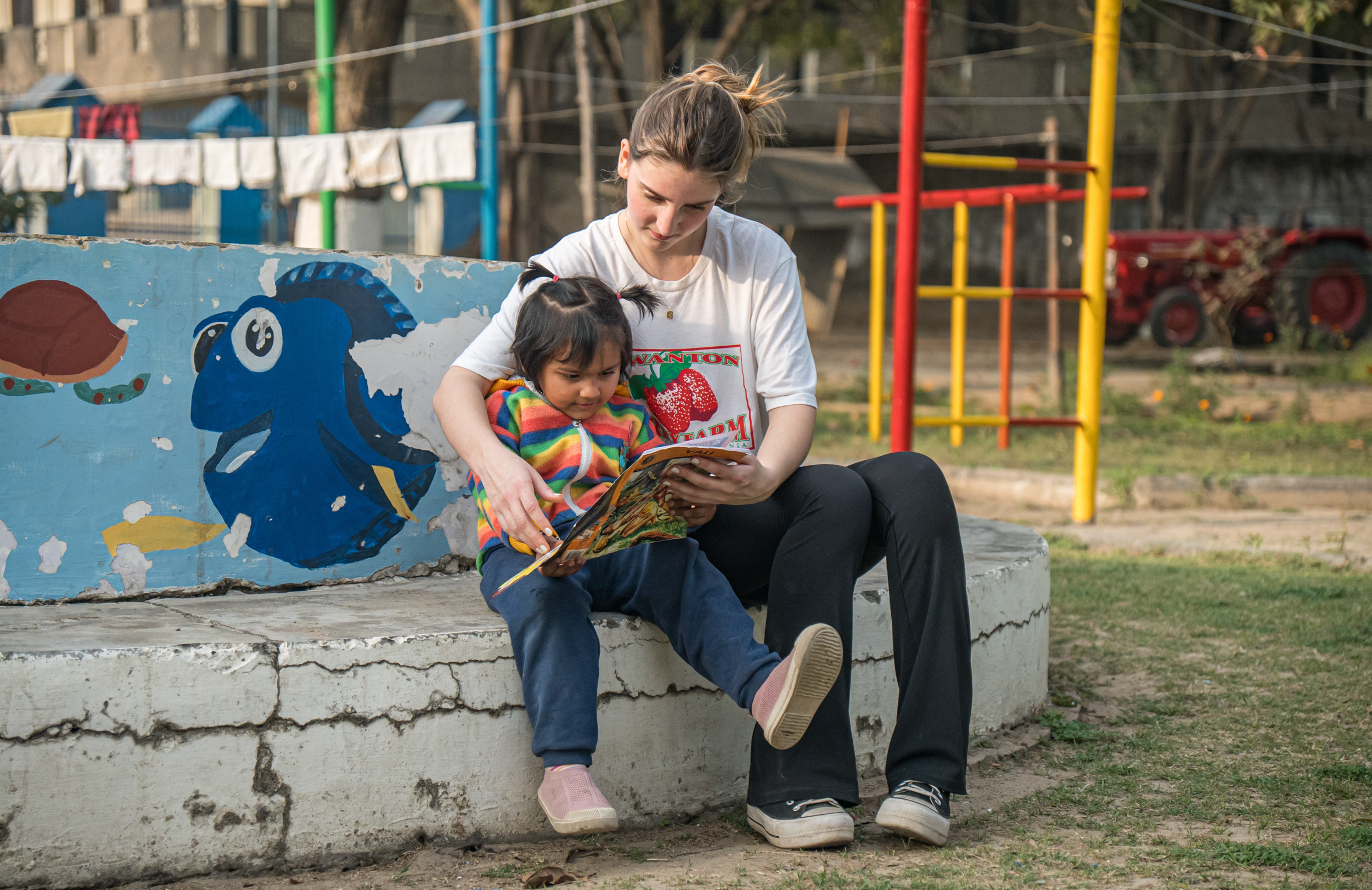
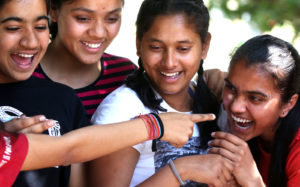
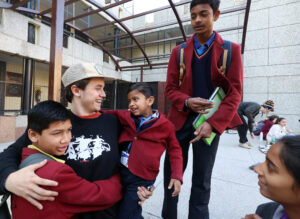
Now, as it is my turn to experience this journey to Sri Ram, I try to remember the reality of the people who live at this orphanage. They grow up in the magical world that I only have the privilege to visit. They have not one, but three mothers. Each woman who is dedicated to loving these children and ensuring they know they are cared for. They have a village of friends, siblings even, with whom they grow up. The ashram is more than just a week out of my India trip; it’s the chance to meet a whole family. A chance for me to make connections so that I may bond with girls my age, a few days to learn about their interests, habits, and games, and to become their Didi (which means older sister in Hindi) and hold their hand all day long. I don’t have any sisters, yet now I have so many little ones. Little sisters, even brothers, who have come from all walks of life. They have written me letters and woven beautiful little bracelets for me to wear, tokens of their love and appreciation for how much my time means to them. I wish I could stay longer at my home away from home.

Sri Ram Ashram Goodbye Party

Sophia Manzur

When my classmate, Irulan, and I wake up in the morning, we say a mantra, “I take refuge in the Buddha. I take refuge in the Dharma. I take refuge in the Sangha.” I was aware that Buddha was to represent inner peace, Dharma as knowing and awareness, but I was unsure what exactly Sangha meant. I asked her what exactly Sangha meant to this mantra, and she replied it means “community”. 

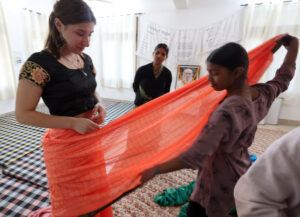
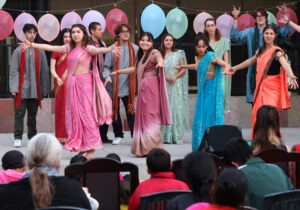
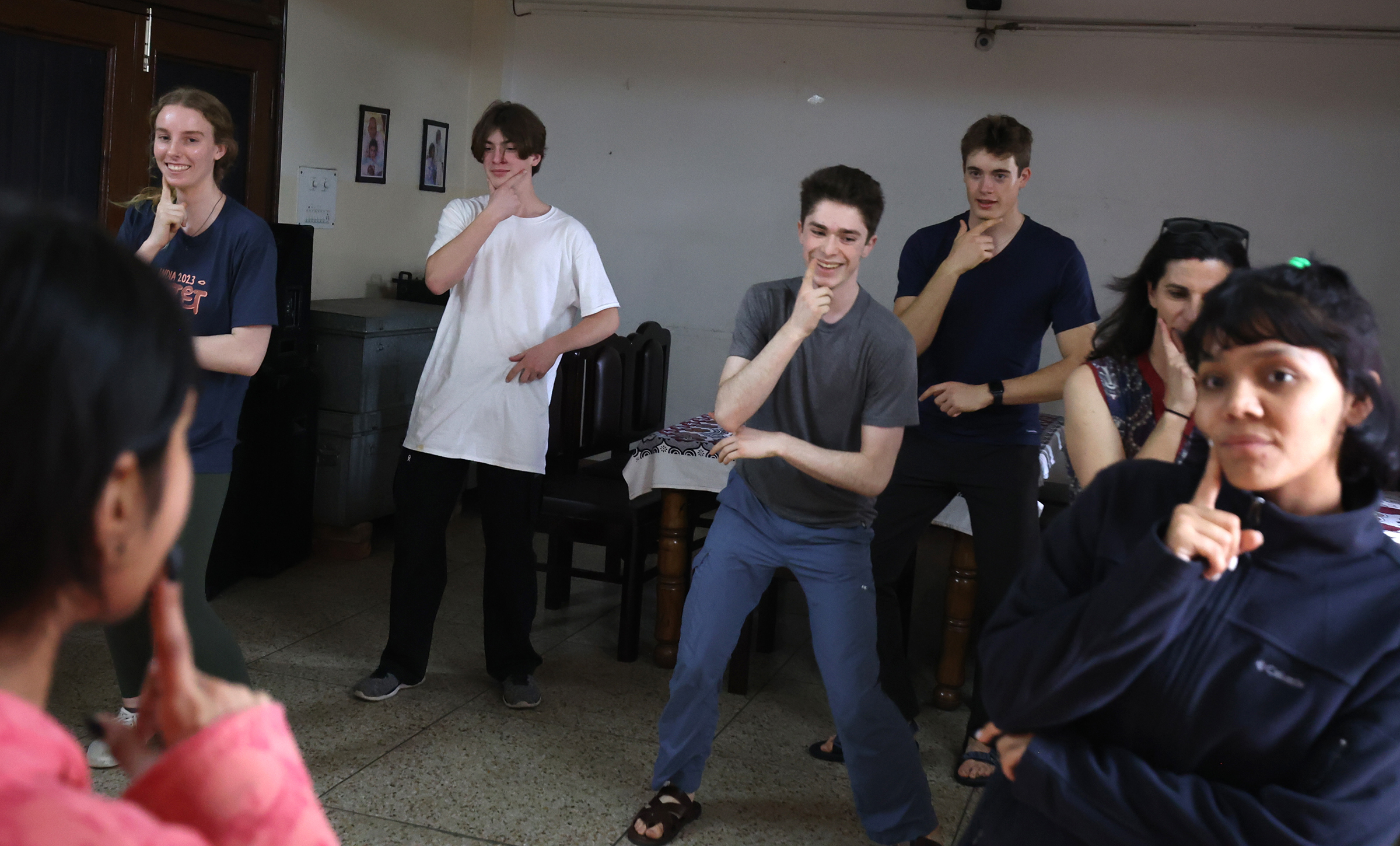
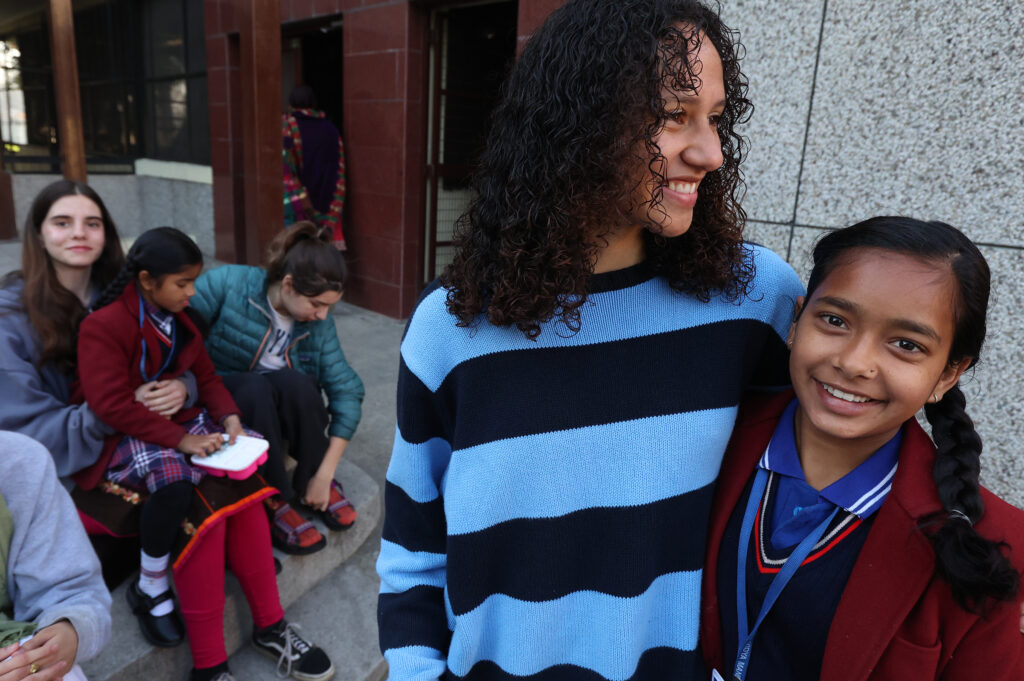
Today we celebrated our last day at Sri Ram Ashram with a “Goodbye Party.” Two of the girls at the Ashram taught my class a dance to perform at the party, in which all of us had so much fun learning. For the performance, the girls were honored by wearing saris, tied by the staff and girls at the ashram. One of my favorite parts about womanhood is getting ready with my female friends before an event. I find the experience intimate because we are all painting our own self expression on ourselves and each other. All there is in the room is positivity, compassion, and love for each other. 

Once we were all ready, we headed outside to the amphitheater. We started off the party with my classmates performing five songs from the Ramayana: Invocation, Every Flower, Laksham Brother Laksham, I Wait Here, and Finale. I was so warmed to see the kids enjoy the performance. 

The kids from the ashram then performed Bollywood style group dances. I was extremely impressed by their performances. Bollywood incorporates traditional Indian dance techniques such as the mudras used in Bharatanatyam while also giving it a modern twist. The kids were able to perfectly execute the traditional dance with abundant energy. I was extremely impressed with one of the girl’s at the ashram who did a solo Bollywood dance. Her rhythm and emphasis on using her music to her advantage was amazing.

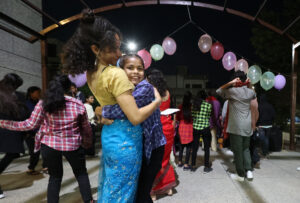
It was then time for my class to perform the Bollywood dance we had been working on. It was  magical to perform because the kids were hyping us up while we were dancing. I thought we would only perform the dances once,but the crowd of children kept shouting “one more time” and so we performed twice. 

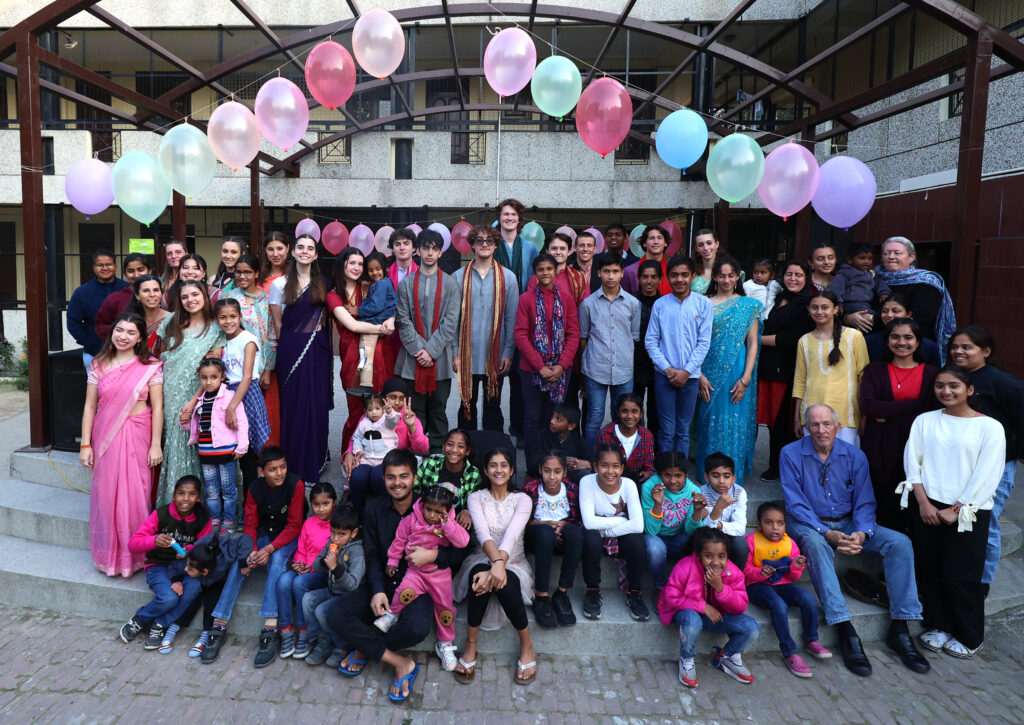
After the party, the kids gave us a friendship bracelet they had made and a “thank you” card. Although I knew this was a “goodbye party,”  it didn’t feel like a true goodbye because I have a gut feeling that I will be in the essence of this community forever. 

Throughout my time at Sri Ram Ashram, I have felt Sangha come to life within my classmates and the children at the ashram. We have all contributed to this massive pool of energy that is the community itself. Sangha breathes, dances, and grows with us. Although it is not tangible, it is impossible not to feel its presence and bask in its wonders. I hope for everyone to find their Sangha because I feel as though that is where infinite happiness dwells.

Sri Ram Love and Gujjar Visit

Sri Ram Ashram

Kaili Sullens

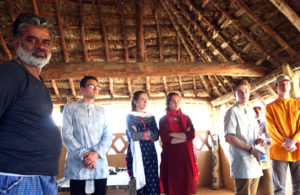
Sri Ram Ashram feels like a second home. We drove into this magical place feeling excited, but with a sense of nervousness. We were unsure of how the next several days would treat us; little did we know what we were in for.

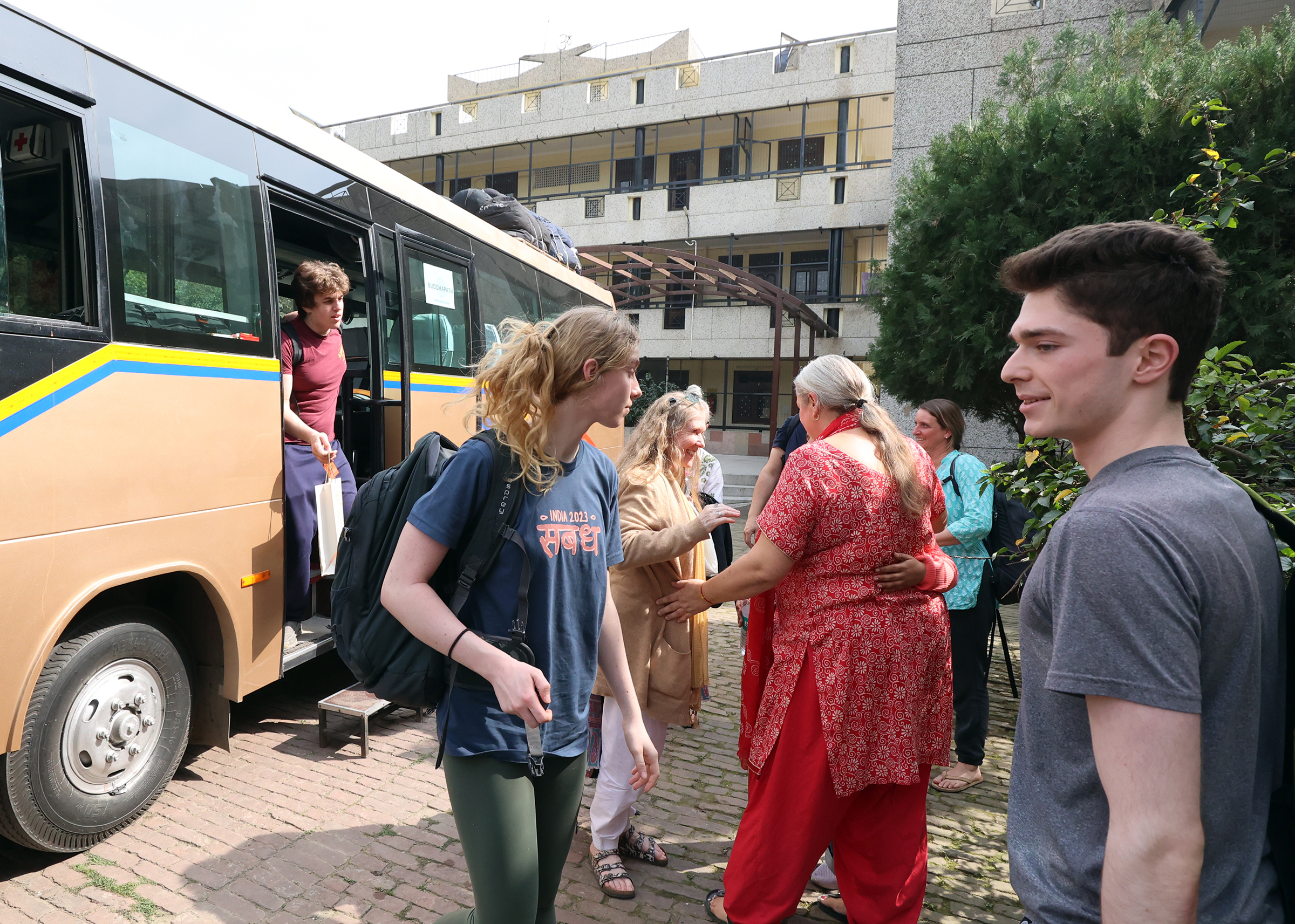
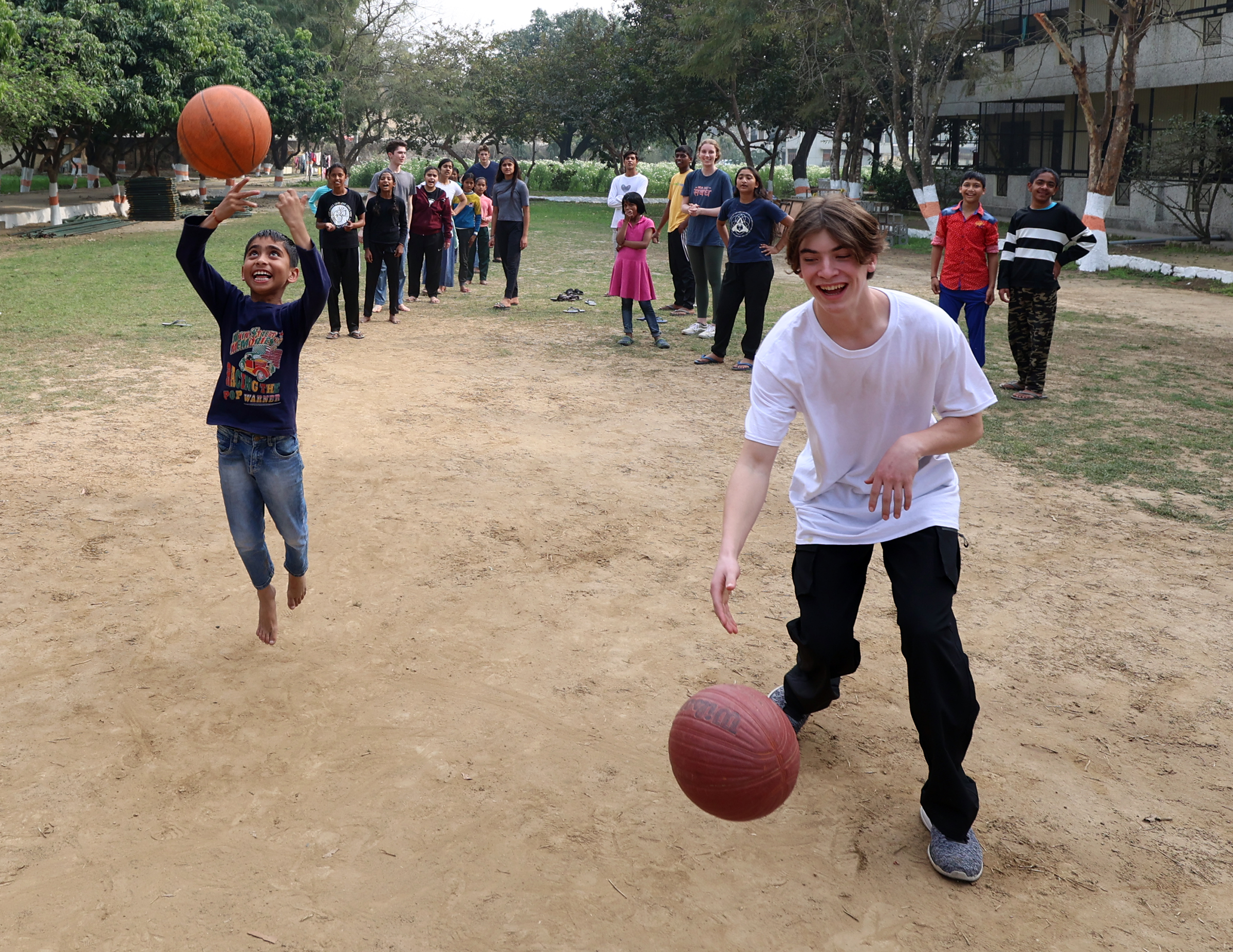
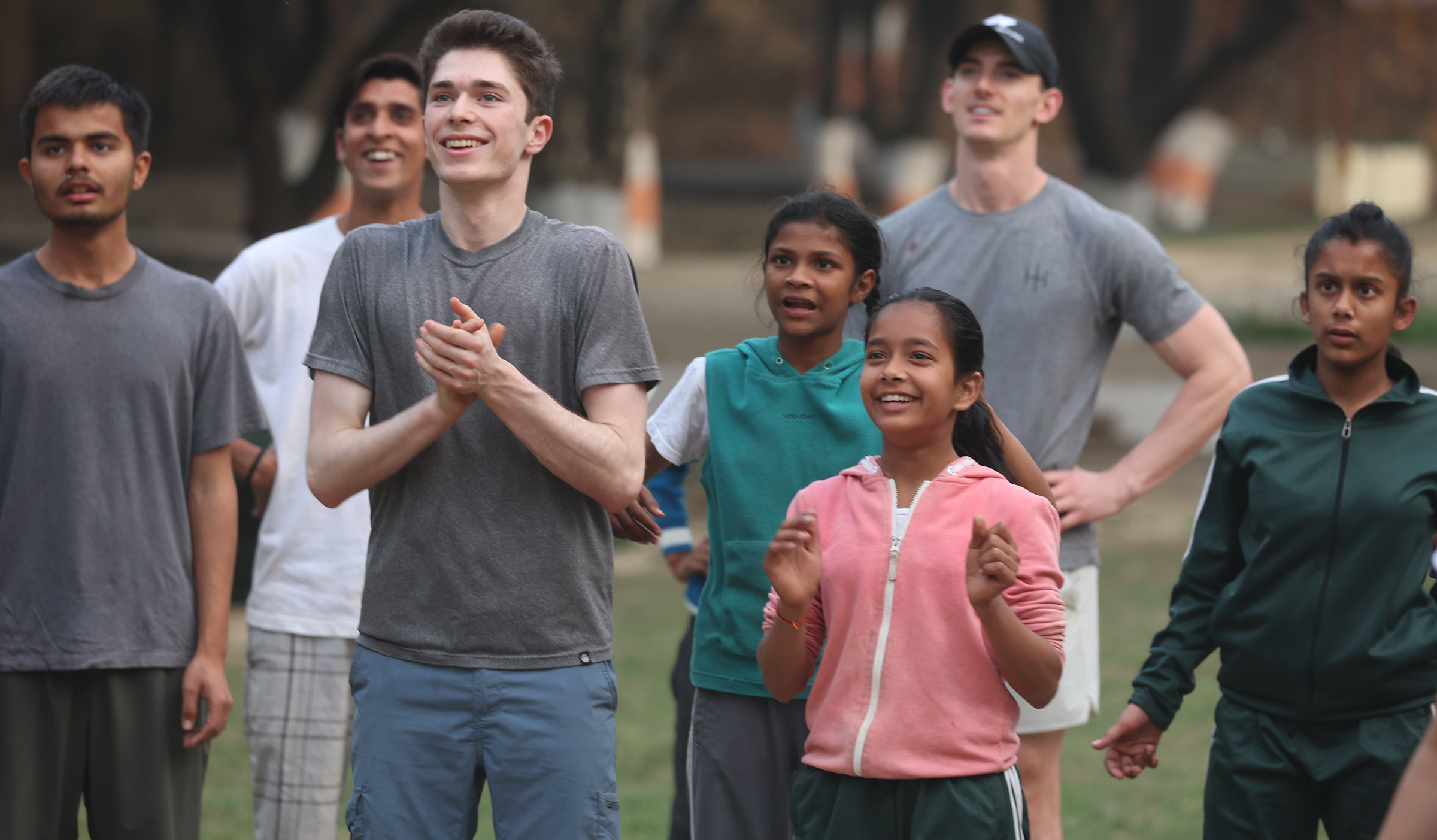
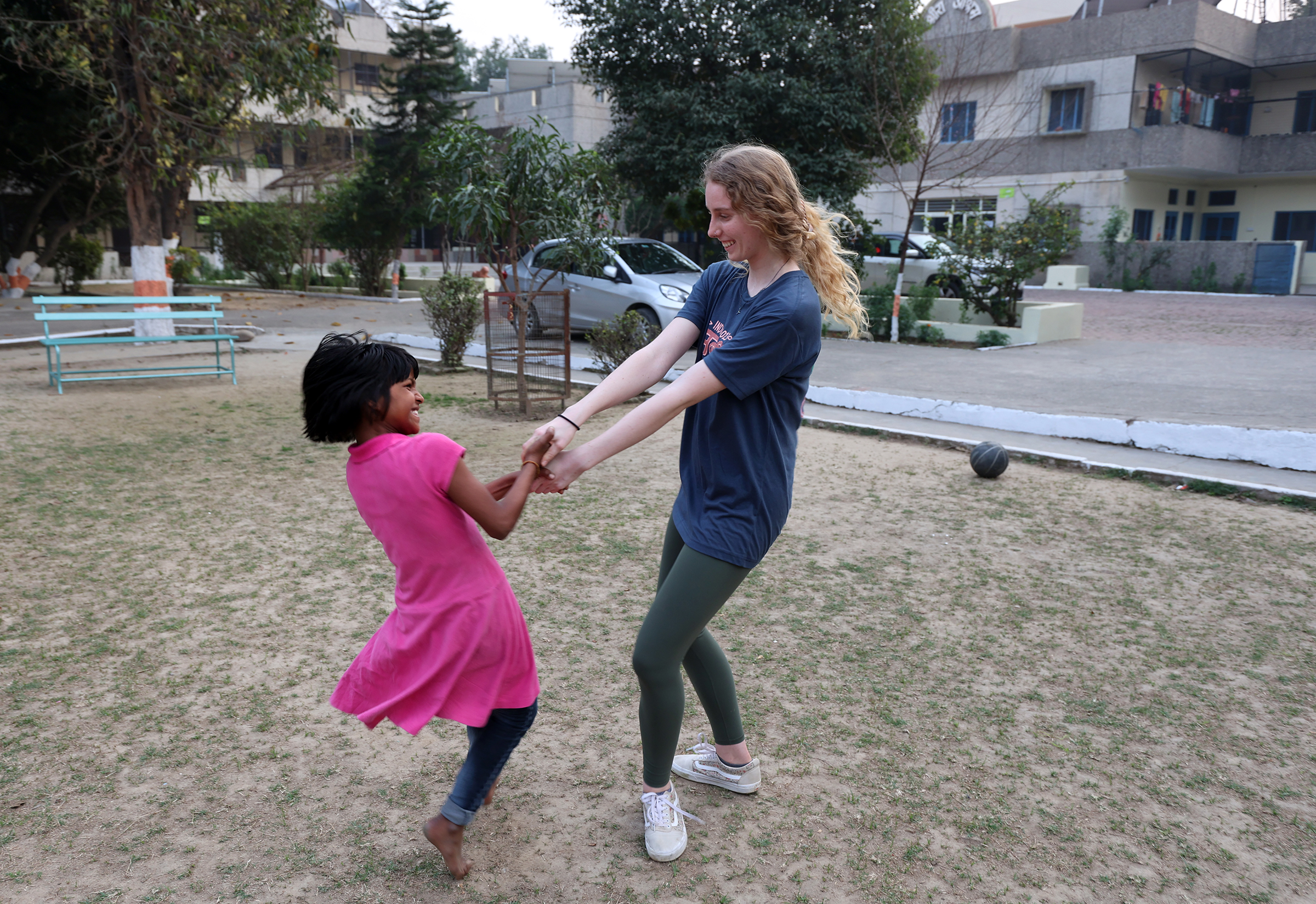
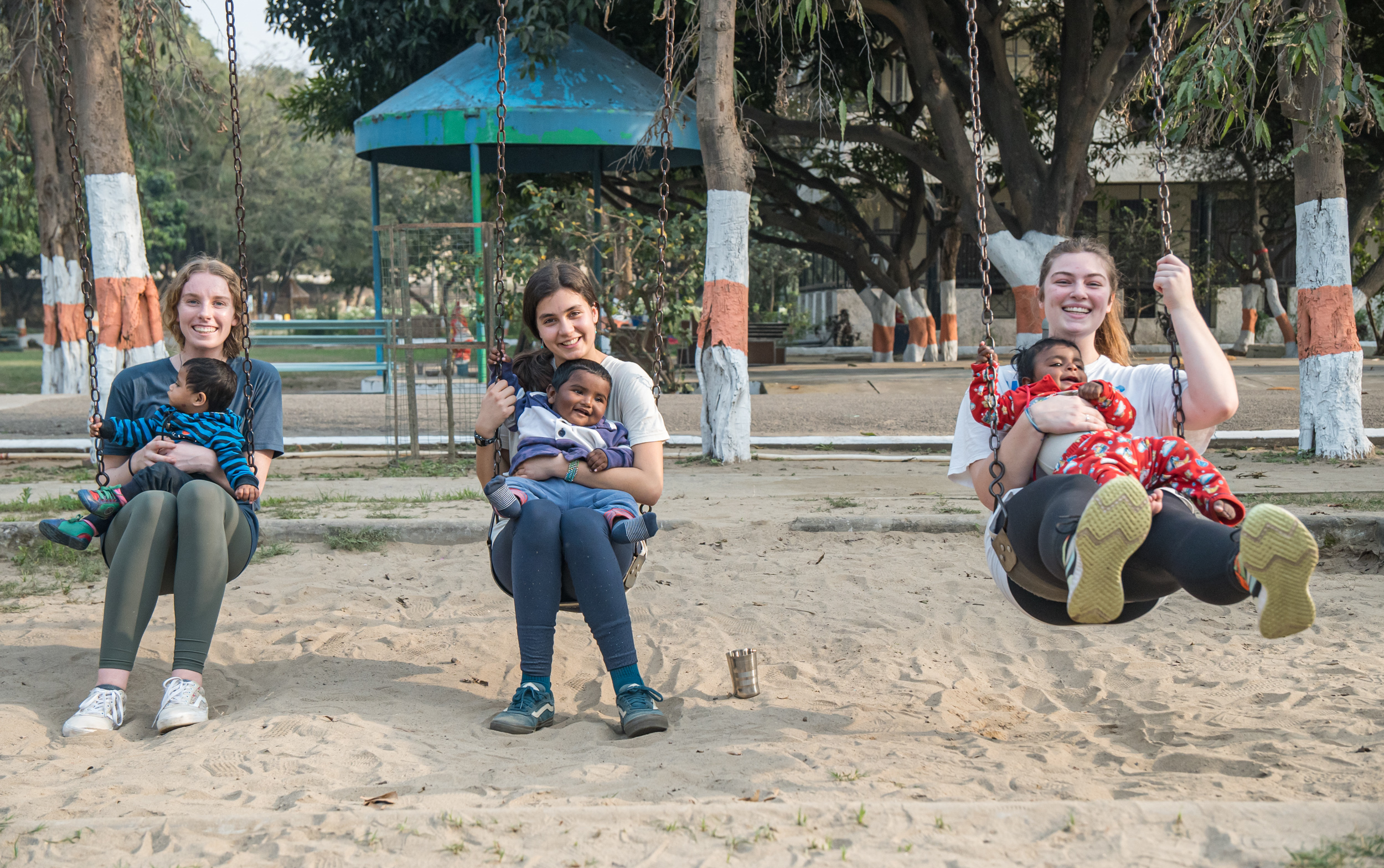
As the bus finally parked, the kids flocked to the door. We were welcomed with warm smiles and genuine happiness. The kids immediately took our hands and led us through the ashram playground, demanding our full attention and arm strength. These kids did not care about our backgrounds, beliefs, or skin color, only that we were there to have fun. And boy have we had fun!

I have met so many amazing kids here. It’s seriously one big happy family. All the older kids look out for the younger ones; they take on this responsibility with grace. It is something that has truly inspired me. It has been a privilege to come here and interact with everyone, I am learning new things about myself every day, and meeting more and more incredible people each hour. The kids are bright, and above all else positive. Laughter fills the courtyard each day, something guaranteed to make you smile.

I find myself really admiring their outlook on life, especially considering the circumstances of many of them before they came to Sri Ram. It is truly a breath of fresh air. I am happy that I am here, and feel grateful every day. I will not forget the memories I have made in this beautiful home, and the relationships that I have built with these special people.


Visit to Gujjar Village

Anika Compoginis

The Gujjars are a tribal people that live in the jungles of India, and have for a very, very, very long time. They are almost completely self-sufficient, their main commodity being milk, which they trade and sell to the locals of their area, and to people in Haridwar. Sri Ram Ashram has a very friendly relationship with the Gujjars, and have traded milk and wheat back and forth for a long time. Yesterday, we got to go and visit a Gujjar village that is very close to the ashram.

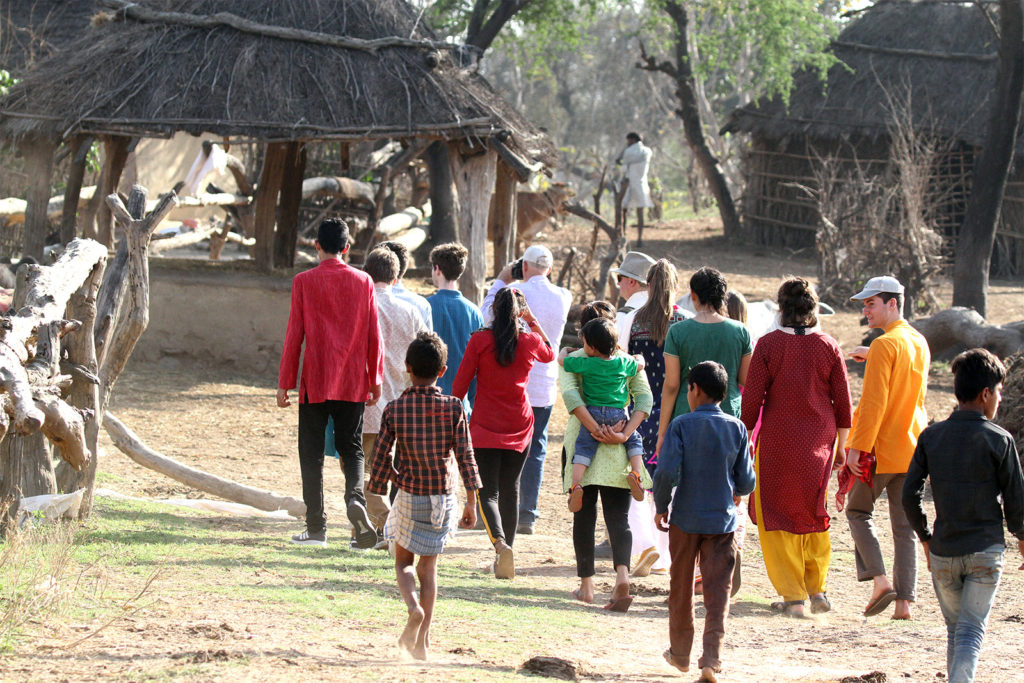
We all piled in the back of a trailer being pulled by a tractor, crossed a canal, and drove forth into the dusty, scraggly jungle that the Gujjars call home. We encountered a little bit of trouble on the way there in the form of two men on a motorcycle who insisted that we didn’t have permission to drive into the jungle, tried to get us to leave, and one of them attempted to pull rank by telling us that he worked for the national parks system in India. Of course, he didn’t know that we were from the ashram, and he had no identification on him to prove who he was, so when he called the village head down to kick us out, we were greeted, and we were allowed by.

As we mounted the final rise leading into the village, a large crowd of kids stared at us shamelessly as we pulled up. Rashmi, the woman in charge of the ashram, had explained to us that each family has three structures: one for the women and children, one for men and guests, and one as the kitchen. Each structure is composed of walls made from cow dung and mud, and the roof is made of wood beams and grass. While that may sound very simple, the architecture is aesthetically pleasing, and all the huts were well constructed and kept spotless.

Each family welcomed us into their homes with shy smiles. Some of the kids feared us and ran off to hide, but several followed us around the whole village, and showed us their cows and livestock. In one hut, we saw a 10-day old baby goat in a cupboard, laying on the family’s produce.

Overall, I was blown away by the simplicity of the Gujjar’s lifestyle, and how content they were with it. The lack of stuff was noticeable, and I think that this is a big contributor to their happy and simple way of life.