
New Perspectives

Paola Jacobs

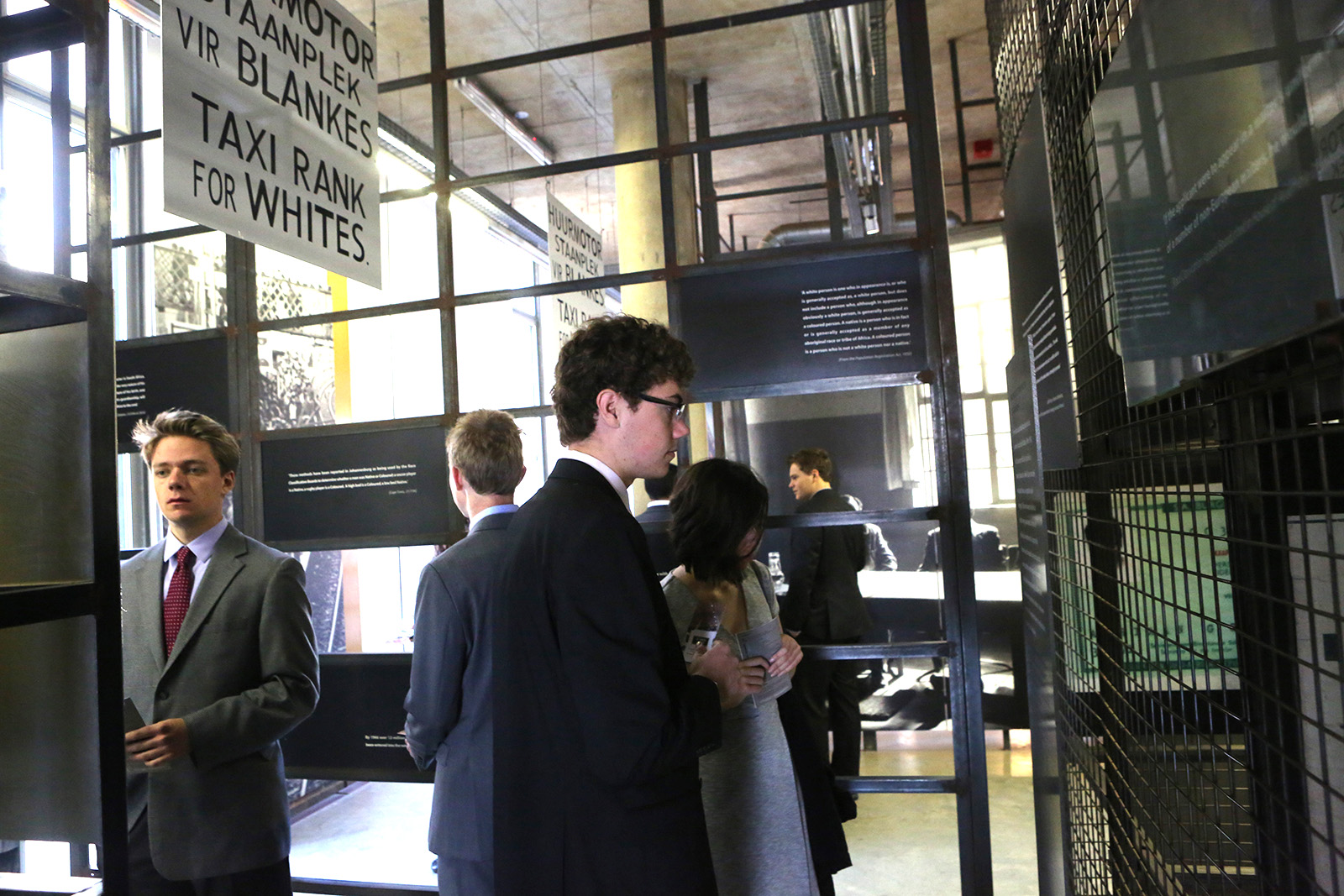
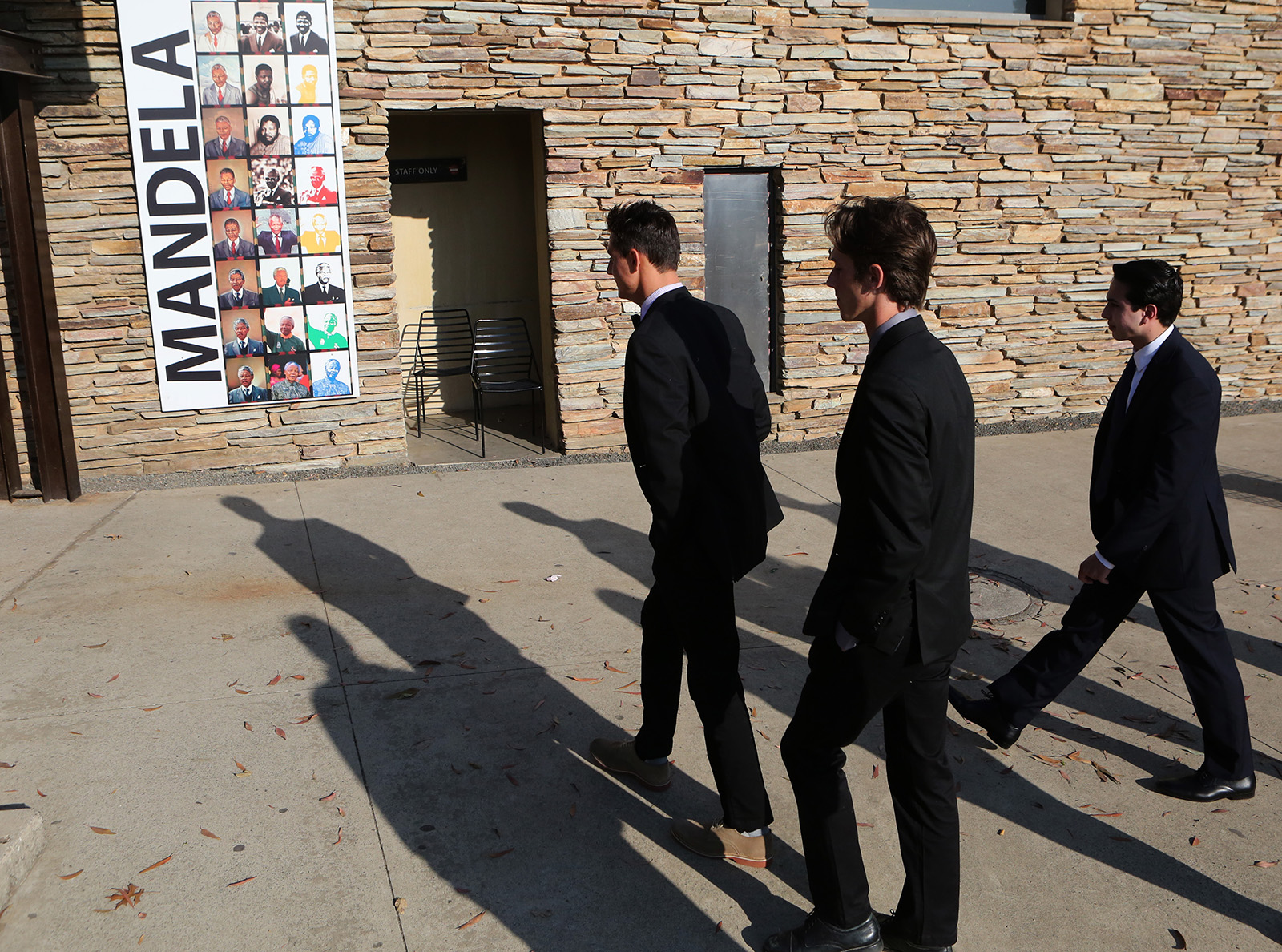
Going to the Apartheid Museum was something to remember. As a class, we studied and researched this topic prior to the trip and it’s been referenced in our time here in South Africa. Walking in and seeing a tank truck with bullet holes was chilling; it made it felt real; it was real. Everything I saw impacted me and made my time here more meaningful.

The Apartheid Museum was not a boring museum. I was invested in everything I read and saw. I could block out the noises around me and just focus. I saw videos that showed the real struggle that many people faced fighting against the apartheid. Seeing what I did today taught me more than I could have learned from a book. It gave me a new perspective about what happened, and the impact of people who struggled.

After the walk through the museum, we met up with Thulani, the very talented musician and our choir director at Tembisa. He is a gift, and his energy is fun, loving, and joyful. His energy set the mood for the rest of the day. I am thankful to have met him. He has taught me how to be patient, and live in the moment. He is everybody’s best friend, so having him be our tour guide for the day brought joy to everyone’s hearts.

Rowan Davenport-Smith

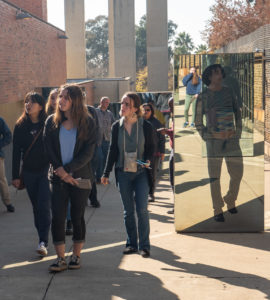
In all honesty, when our bus pulled up to the gates of the Johannesburg Apartheid Museum, I’d rather have gone to the theme park next door. The building is the embodiment of “don’t judge a book by its cover,” with its bare front facing exterior and its empty parking lot, but the contents of its interior far exceeded my expectations. The museum was a work of art, carefully thought out, with each twist and turn showing you a new aspect of life during apartheid.

Your first experience of the museum is being split apart from your friends and group, as everyone’s ticket indicated whether you would be white or non-white. You were thrown into either category without regard to your actual race, and then the two categories were split off into two different entrances. Each group experienced the full museum, but not in the way that the other had. This really set the mood for all the feelings of disconnection, separation, and the “us vs. them” mentality that apartheid brought.

There is no real way to explain the museum that would truly do it justice, but there were a few exhibits that stood out to me. There was a replica jail cell, the size of a twin sized bed, in which many would’ve been held in solitary for years at a time without trial. There was a ceiling from which hung over a hundred nooses, one for each political enemy that the South African government had assassinated. There was raw footage of marches and protests, and the Casspir military vehicle which had been used to patrol townships and played an integral part in the youth massacre of June 16th, 1976.
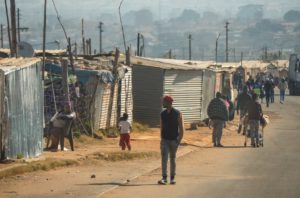
On June 16th, 15,000 students of Soweto marched in protest of the mandatory teaching of Afrikaans and their poor education system. On this day, we landed in Cape town and on this day 43 years ago 600 students were killed, the youngest among them being 12-year-old Hector Pieterson. He was in the area by accident, was fatally shot, and then carried down the road by Mbuyisa Makhubu, to the place where he would breathe his last breath. On this spot now stands a memorial that former President Mandela helped bring to life.

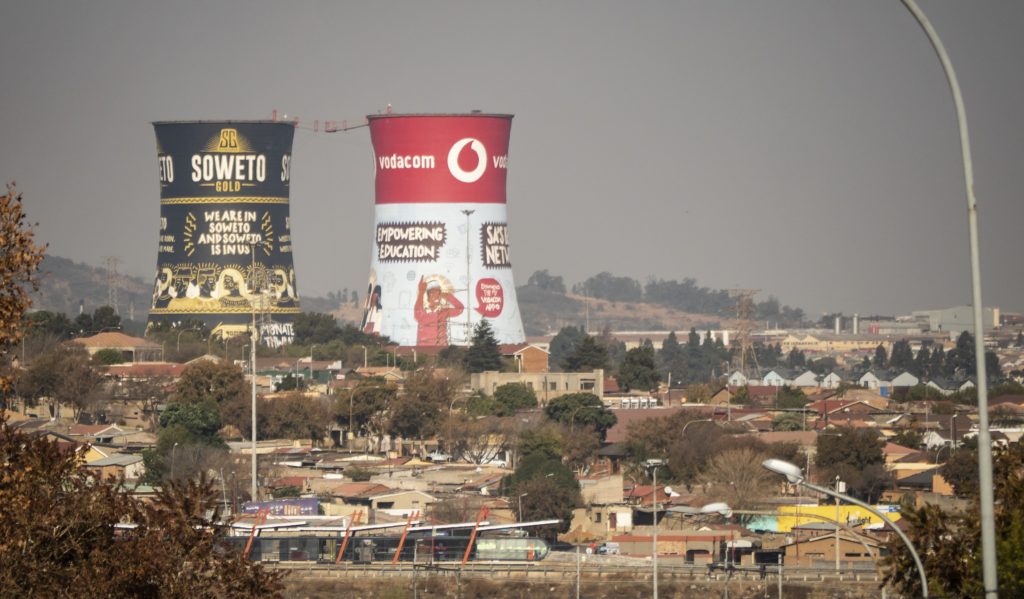
After our museum trip, we were once again met by our fun-loving choir director, Thulani, who acted as an impromptu tour guide through the township of Soweto. Soweto is a large township with a long history of struggle. This struggle is most easily defined by the two, now out of commission, nuclear power plant towers that mark the center of the township. We experienced many aspects of this township including the earlier mentioned Hector Pieterson Memorial, Mandela’s previous house now turned museum, the street markets, and we got a first-hand history lesson from locals. 

From walking the halls of the museum, to walking the streets mentioned in exhibits, our day truly followed along the path of the struggles of apartheid. To be honest, we have done so much today that my brain has yet to process it all, but I know that the lessons I learned today will be ones I will not forget.

Exploring the Past and Looking Forward

The Apartheid Museum

Jordan Willis

This morning we took the opportunity to visit the Apartheid Museum in Johannesburg. We were given 1.5 hours to roam amongst the vast halls and countless exhibits.

When we first arrived, we were given a firsthand, albeit watered down, look at what being segregated was like during apartheid. We were split into groups labeled White and Non-White. Between these two we were separated and had to enter the museum from different entrances. While this wasn’t close to anything people went through in a real-life situation of segregation, it most definitely felt awkward and morally wrong to not have a choice about where I could go.

Going into this excursion, I had no idea what to expect, maybe something along the lines of the types of museums in the bay area. This museum was vastly different. One thing that the creators managed to provide was a mimetic environment of each of the different exhibits. For example, the exhibit about military action against protesters in Cape Town was flooded with low light and high concrete brick walls. The way that sharp sounds echoed around the corridor made one feel as if they were standing in a protest. It was small details like this that made the experience memorable.

The sheer size of the museum was amazing. There were at least 10 different exhibits and, sadly, I didn’t get to visit all of them. Each section was carefully placed so that the museum had a flow to it, while still providing a massive amount of information. Within our given time allotment, we only really scratched the surface of what the museum held, but alas, it was lunch time!


Interview with Peter Harris

Will Murphy

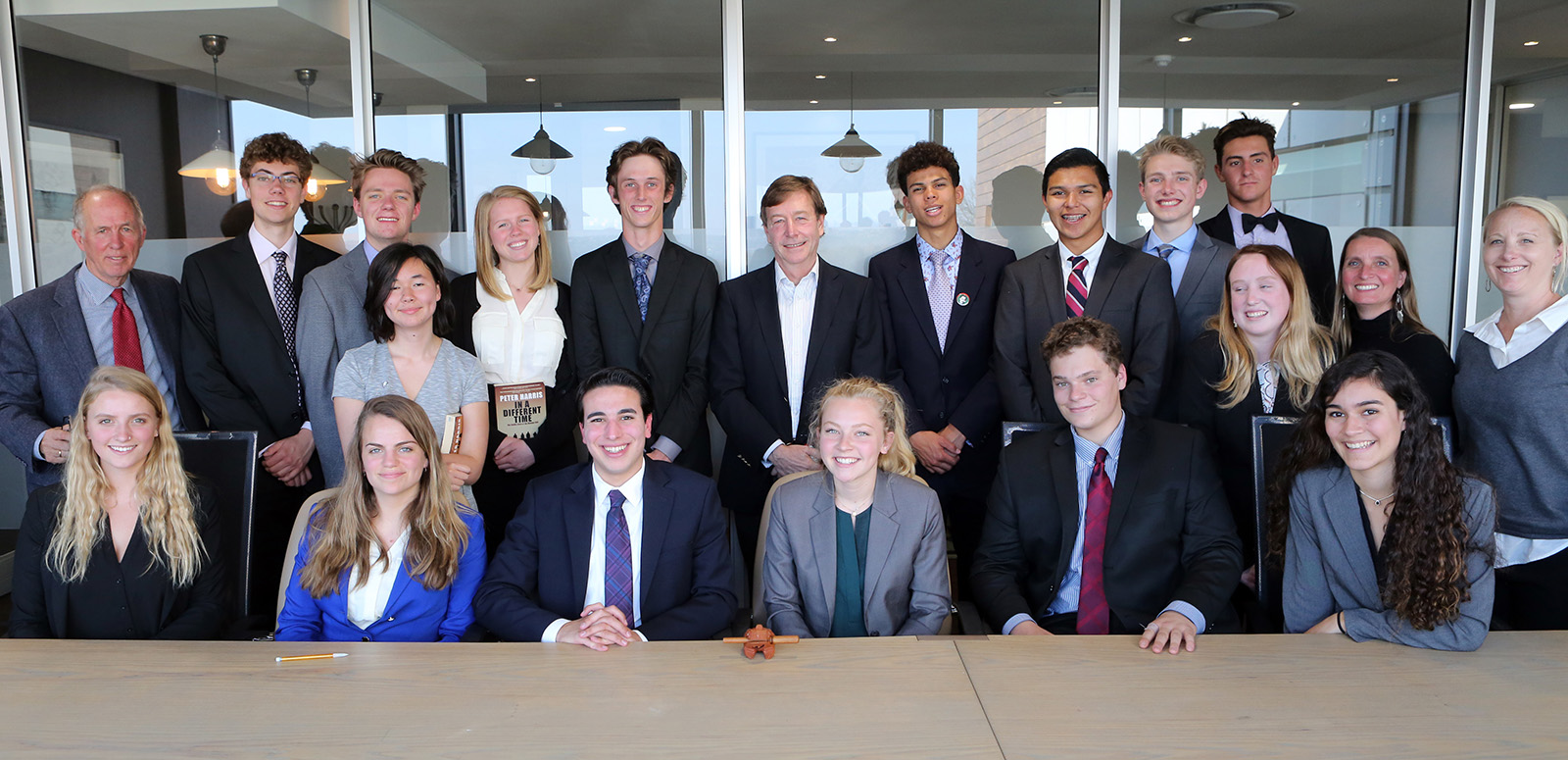
Today we interviewed Peter Harris. He is currently a lawyer, businessman, and author. More importantly, from my perspective, he was a human rights lawyer during apartheid. Throughout his career, he has always protected those who were fighting for basic human decency, respect, and justice. Before coming to South Africa, we read one of his books, In a Different Time, which was centered around that trial of the Delmas Four who were accused of committing terrorism against the apartheid state. The book was very eye opening to the reality of apartheid. While writing the book he did extensive research about many of the people involved. This gave a much more realistic and gritty depth to the narrative. Often, he would interrupt the story to go into background stories about where the characters ended up. This gave it a much more personal and empathetic feel than if one was just reading a statement of the facts.

After reading Peter Harris’ novel, it was an incredible experience to meet him in person. During the interview, he was very humble. We discussed some of the issues that currently face South Africa, and many disturbing political trends around the world. What stuck with me, and something that has been a constant theme in South Africa, is the hope and belief that things will get better. This is something that is alien to me. In the United States, we can afford to be cynical and sarcastic; here, they cannot afford to lose hope or talk about jumping ship. Hope is what keeps them from anarchy and complete despair. For many of the people I have talked with, they say they must be happy about everything that they have, otherwise it’s depressing. I have been told to be grateful for everything that I have many times before; but I have never had to because I always knew that everything would be taken care of. I hope to bring this new appreciation back home, and not lose the new discernment that I have gained. On a lighter note, Ruby got Peter Harris to sign a wooden frog. He said he had never done that before.


Cyrus Kamkar

Today we interviewed Peter Harris. Earlier this week, we spoke with Pregs Govender who talked to us about the importance of having courage to be insubordinate. What struck me most about Peter Harris was just that. It must have taken a lot of courage to defend four black rebels during apartheid, who were revolting against the very source of apartheid. I highly appreciate people who stick with their beliefs no matter how little support they have, just because they know that what they are facing is wrong and needs to end. In response to a question about how having children impacted him during the trial. He said something to the extent of, “In court, you are defending someone’s son, someone’s daughter.” This comment sat with me for the rest of the interview, and will continue to do so. It is a more personal view of the relationship between a lawyer and his client. The result of a trial now holds a truer meaning for me. At the end of the interview, we asked him if he had any advice for us and our generation. He said, “Take an interest, get involved, make a difference.” He told us that the effort for change and advancement starts now. It is not just the future generation’s problem; it is a problem for all of us right now. I want to serve my community and country in some positive way or another, and his advice added more of a spark of motivation to do so. From what I noticed during the interview, Peter Harris was a very straight forward, honest, and intelligent man; the qualities I appreciate and look for the most in a person. It was definitely one of the most interesting interviews I have done yet. All the work and preparation was well worth it.

Mount Madonna students with Peter Harris