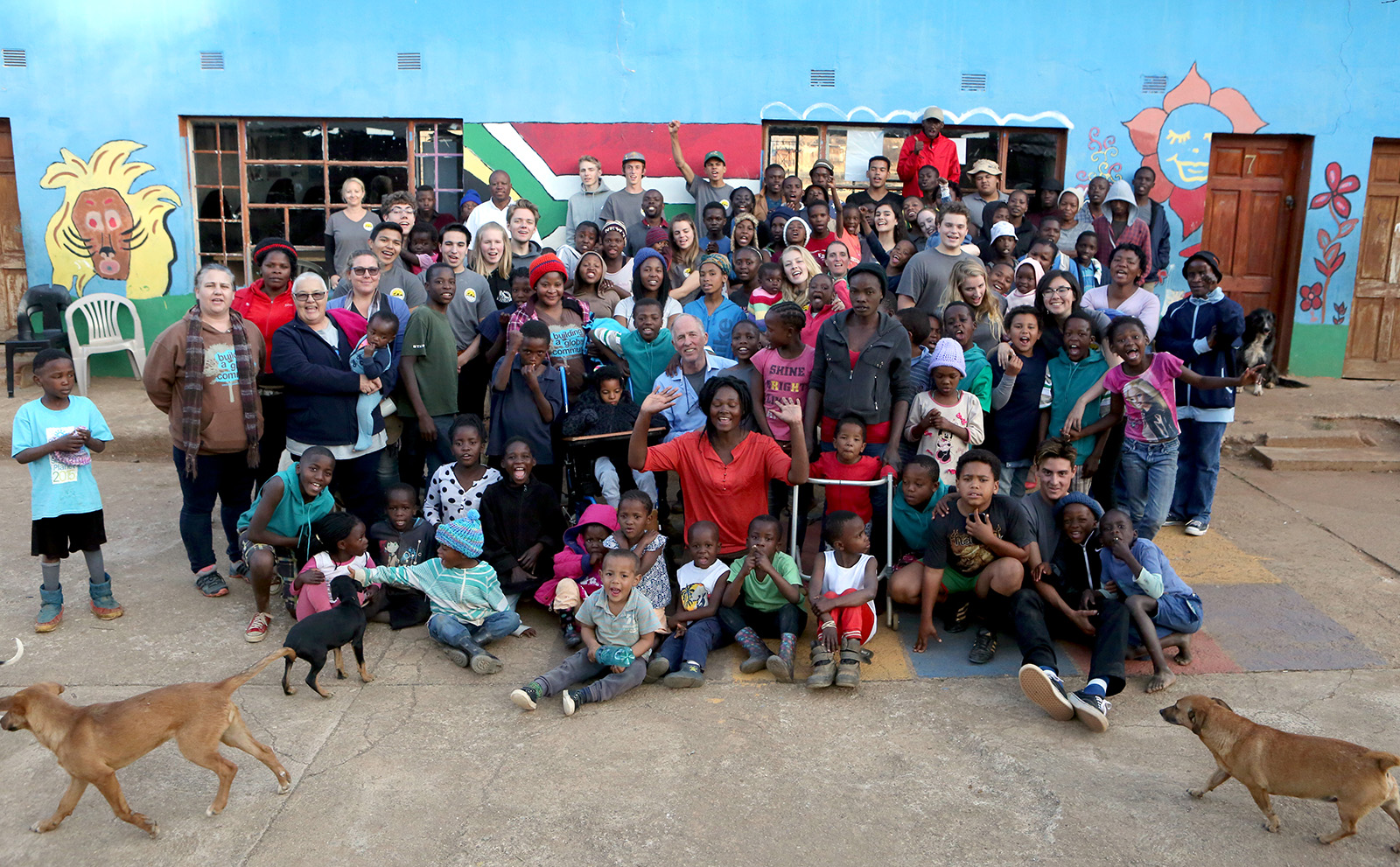
Filmed and edited by Devin Kumar (www.devinkumar.com)
Gallery: Botshabelo Photo Page
The Hopes and Dreams of Humanity
Botshabelo Childrens AIDS Village

As our bus rolled along the dusty roads that stretched out of town and into the savannah, I sat searching through the glass window for signs of the long awaited Botshabelo. The first sign came in the form a child walking along the side of the road, a seemingly common sight in the area we were traveling but as the bus slowed I began to examine him, wondering what to make of this new face who was obviously intrigued by the bus. As the bus pulled in, I made eye contact with the kid and he immediately smiled. I reciprocated the gesture, and in that moment, I knew that this experience was going to be meaningful in a big way.
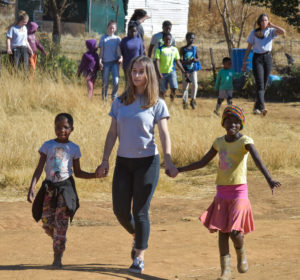
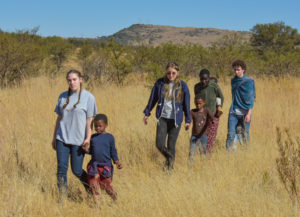
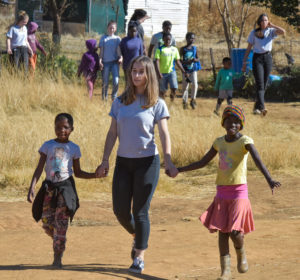
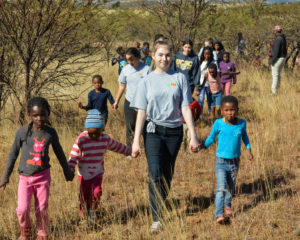
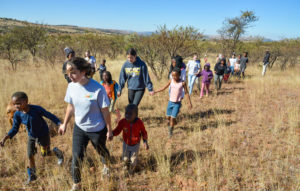
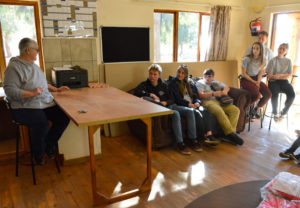
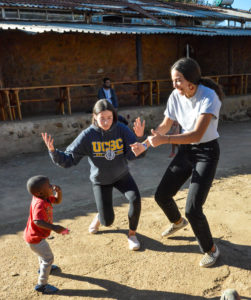
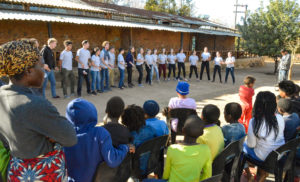
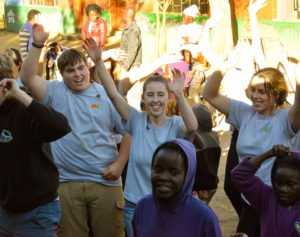
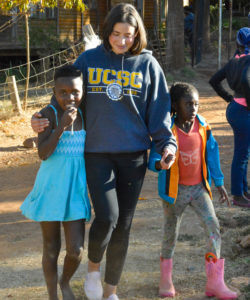
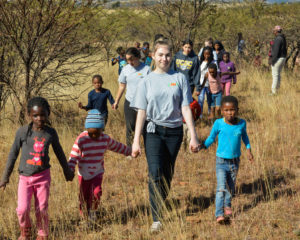
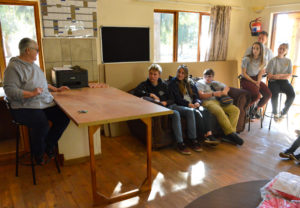
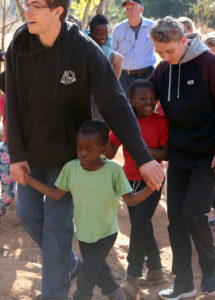
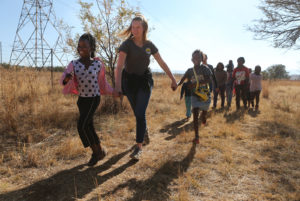
We stepped out of the bus to a horde of eager and friendly faces. Immediately, we began to break down the boundaries between strangers, singing and playing and exchanging all sorts of information. The greetings were cut short as we were ushered into one of the nearby houses, to get what Marion Cloete, also known as “magogo” or grandmother, called introductions. This woman and her “introductions” turned out to be surprisingly wonderful, as she wasted no time diving into subjects that many do not mention, and being open in a way uncommon of strangers. She was wise and spoke to our inner fears and doubts, and touched all of us by addressing us and some of the complex feelings of youth directly. She was a truly inspiring person, and I will remember her character and words for the rest of my life. The rest of the day was equally wonderful as I learned to play a mix of dreidel and Beyblade with the local kids, held hands with a young boy and girl as we hiked around the property and partied with traditional song and dance with the whole community. We concluded the day by helping the kids try on and pick out the new clothes we had brought them, and hugging virtually everyone we could before we boarded the bus to leave. As I said good-bye to the young friend I had made, I gathered up the thoughts of acceptance, compassion, and openness I had collected throughout the day. I left Botshabelo filled with happiness, and having so much to think about. I think I will still be processing today’s events for a long time.

Today we visited Botshabelo Children’s Aids Village. It was such a heartfelt experience, one like I have never had before. As soon as we arrived in our bus, all the kids rushed out with smiles on their faces, waving at us happily and ready to meet us. We played with the kids for a little bit, and shortly after went to meet the people that created Botshabelo. We listened to the story of how this place was founded, as well as how the kids came there. Many of us were in tears as we listened to what they had to say about what many of the kids had to go through in their life, at such a young age.
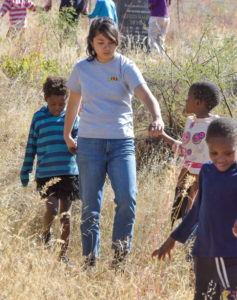
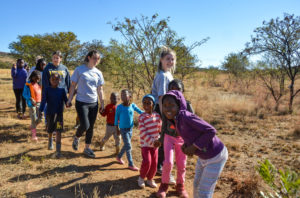
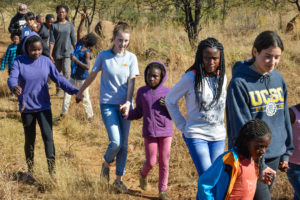
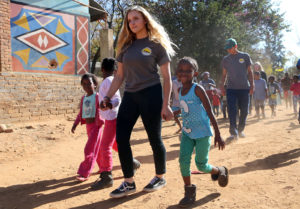
After, we were given a tour of the whole place, with the kids accompanying us. I was touched by just how sweet and lovable all the kids were. They immediately ran up to me and wanted to hold hands with me. I really took this place to heart because even though these kids live tough lives, they are still able to keep a smile on their faces, and keep their loving personalities.
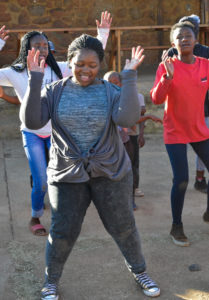
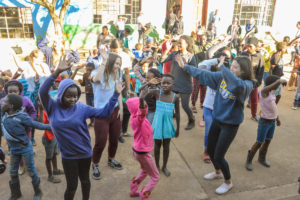
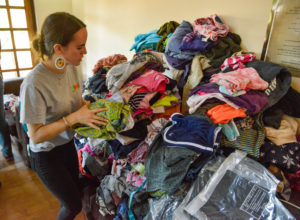
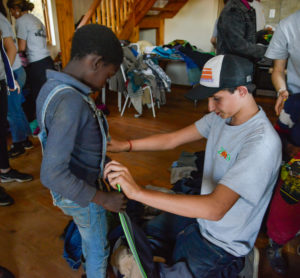
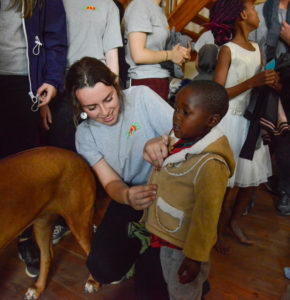
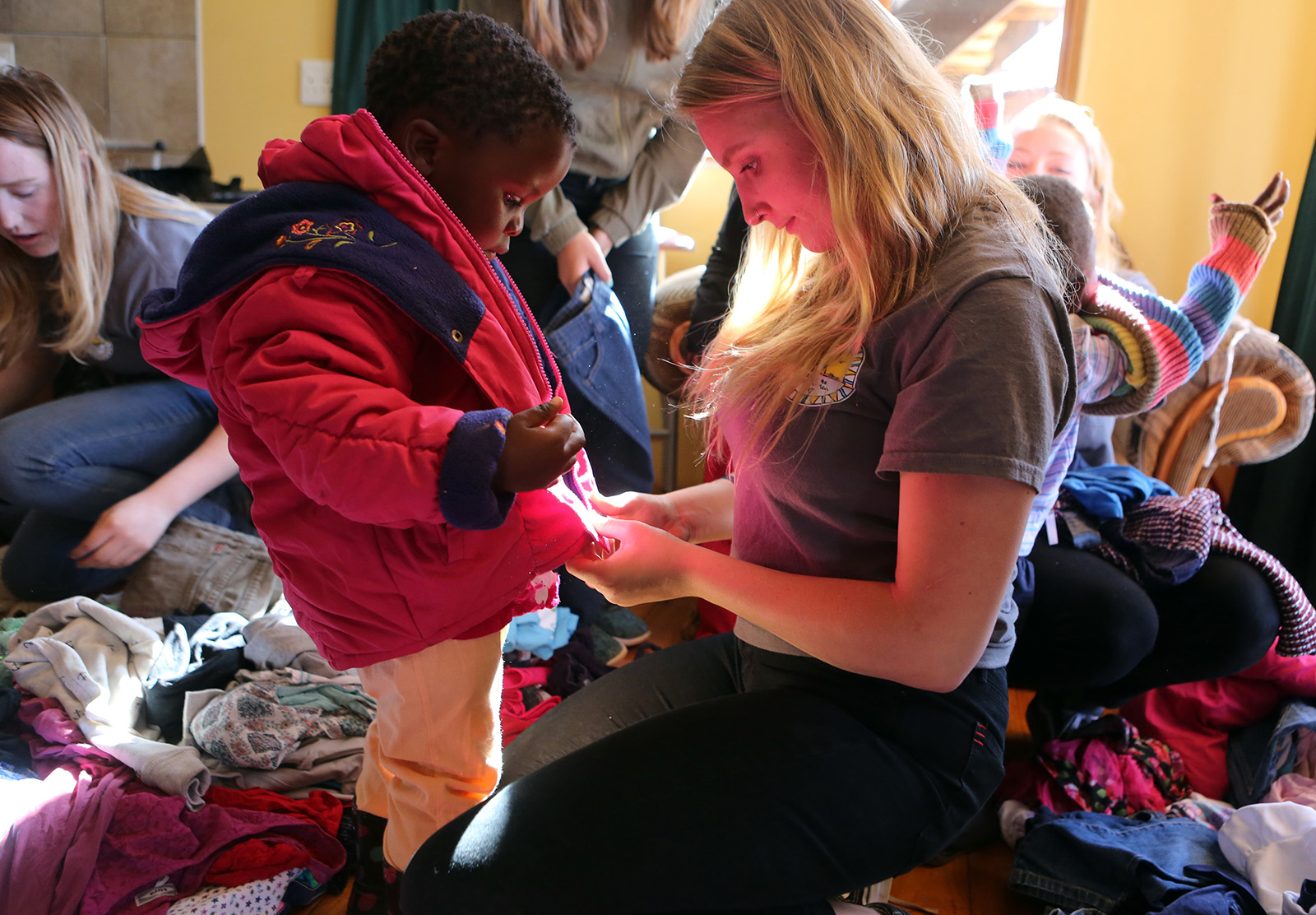
Nearing the end of our visit, we got to watch a performance of singing and dancing from the older kids, and even some of the younger ones. We also had our turn to sing and dance with them which was special. The last part of our visit was unpacking the bags of clothes we brought, and helping the kids pick out the clothes that they wanted. I had donated many of my clothes to Botshabelo and I was very happy to see some of the kids wearing some of my old ones.
I was sad when we had to say goodbye because I had formed a connection with many of the kids there. It was heartwarming to give each one of the kids a big hug before leaving. I will cherish the memory of visiting Botshabelo the rest of my life.
The beginning would be a good place to start if I knew how it started. The legacy that it took for me to get where I am is far beyond my comprehension. The string of coincidences that led to my being at Magogo’s doorstep are beyond me, yet there I stood. We got off the bus at 10AM and were promptly sent into a small house, the reception office for Botshabelo. At this point, dear reader, you may be wondering who Magogo is and I can tell you that Magogo is a white woman in her golden years, a little plump by her own admission, and has a smile that could melt the coldest heart. However, that description does her no justice. Magogo, which at this point I should tell you means grandmother, is a teacher not because of the profession but because being around her makes you learn. Magogo is a counselor not because of the degree or practice but because her honesty draws out yours, and before you know it she gets your whole life story. Magogo is a woman who has lived life. All humans walk down the same road of life and for most, and I might say for all, it begins in a cave, a dark and damp cave, no hobbit hole to be sure. As we journey through the cave, we begin to see a light. That light is as Magogo put it, us, who we really are, and an acceptance of who you are. Many people, most people, get stuck in the dark of that cave, wallow in its pools, so confused and hurt that they end up turning around. Magogo is someone who has left the cave but she did not just leave it; she helps others out. Or, maybe not so much helps, she will yell at you until you pick yourself up and walk on out.
After Magogo came Holandŭ. Holandŭ amazed me not with life experience or honesty but with his internal strength, drive, and determination. I saw in Holandŭ the same light of determination I saw in Thulani. A power that can only come from a strength to forgive and the drive to keep moving, despite all that he had been through.
Holandŭ has never met his mother. When I asked him about it he said he thought she was dead but he was not sure. Imagine never having known your mother, your own mother. He has only met his dad once in his entire life. Hearing this really made me realize how much I take for granted. So, because I don’t say this enough, and because I can’t text you from here: mom and dad, I love you. When I think about it, you have done more for me than I think either of us really knows.
Despite all he had gone through, Holandŭ still had hope; he still had dreams. He dreams of being a chicken farmer and from there he hopes to expand into sheep and cows. He is going to own two houses, one on Botshabelo property and one in a big city like Johannesburg or Cape Town. Notice that I said, “he is.” I said this because I genuinely and truly believe he will. I believe this because I saw his drive and his work ethic, and I know that he will do great things.
As we were leaving Botshabelo, I brushed up against a kid, he was maybe 3 or 4, and riding on someone’s back. After my elbow brushed his back, I thought that this may very well be the last time we ever interact. That one little touch, that one moment that he did not even notice or recognize as an event, would be my one contact with his life. My next thought was a refusal of this reality, a determination, an oath or a pledge, a promise that I would return. I would come back and see Holandŭ’s chicken farms, and give a little more back for all that my friends and I got, and my God did we get a lot. In the words of our teacher Ward, “Remember this, remember this.” So, as one last reminder to future me, REMEMBER THIS.

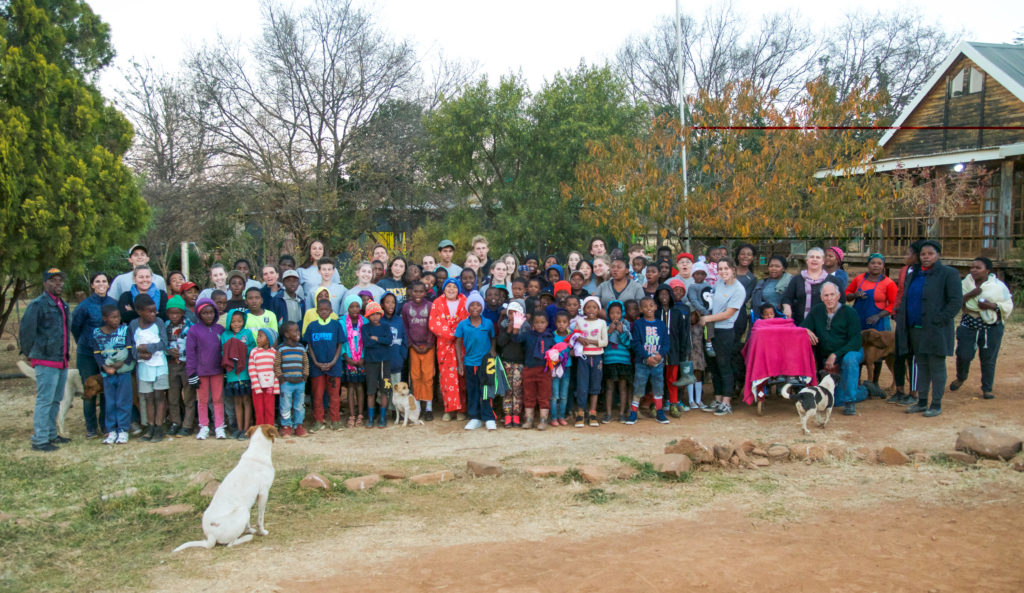
There’s nothing quite like Botshabelo. It’s a place that’s immersed in the true humanity of us all, and home to a treasure of people. From the moment we arrived, you could tell that there was something special about this place; something in the warm smiles of the young kids jumping, giggling, and running. They live every moment fully, and that was the magic that we felt as we were greeted by them. It was an instant connection, you don’t need words when you are greeted with open arms and hearts. The kids laughed, played, hugged, and smiled with us until we were ushered into a building.
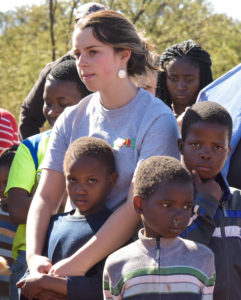
I don’t quite have the words to describe the woman who greeted us. Magogo is the quintessential human being; she is someone who has lived in privilege and gave up everything to live on a hill, in poverty, and take care of the people at Botshabelo. She’s someone who has seen every walk of life, walked in every type of shoe, and came out profoundly wise. She reached into our hearts and souls, and told us everything we had ever needed to hear. Everything that we had known inside of us was said by this magical human, and when she was done the room was filled with crying faces. She managed to make us see the light inside ourselves, even if it was faint; she found it and said, look, this is inside you, this beautiful thing that you carry with you everywhere. You are enough.
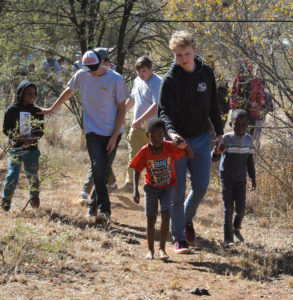
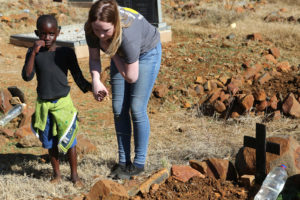
With that as the preface for the day, we went back to the kids. I walked and played tag with two kids, Marcus and Bopello. They really were the sweetest kids. Marcus, especially, really touched my heart. He always had a smile on his face, and had explosive energy that carried his short little legs up and down and all around. But, he didn’t have shoes. As we walked over the thickets of spiny plants to the cemetery, he had to stop every couple of steps and pull thorns from his feet. That never deterred him from pulling me across Botshabelo. I found out later that he was sick with HIV, and that he would likely die long before he was even my age.
Botshabelo was a truly unique place. The people that reside there are the most heartfelt, authentic, and amazing people I will probably ever have the privilege to meet. It’s somewhere where no matter who you are, you are family. I think I left a part of myself there and carried with me something new that they had given me. Something small and faint but beautiful, and just waiting to see the daylight.
Video: Botshabelo 2017
A video of our day at the Botshabelo Children’s Village.
Filmed by Devin Kumar.
Gallery: Botshabelo Photos
Click a photo to enter slideshow mode!
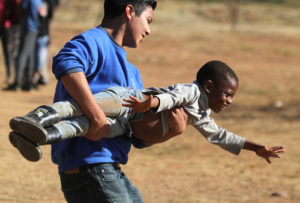
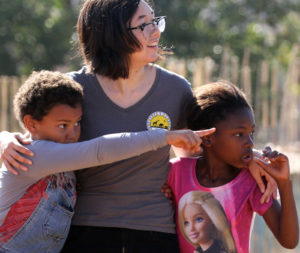
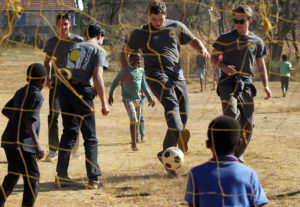
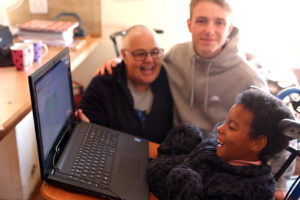
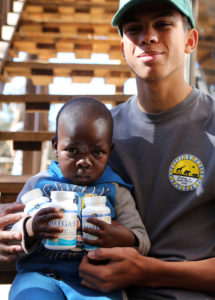
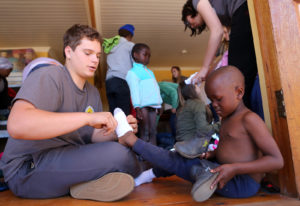
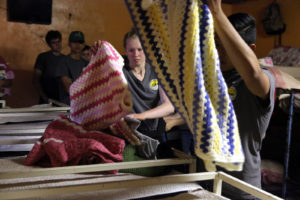
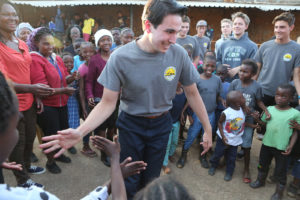
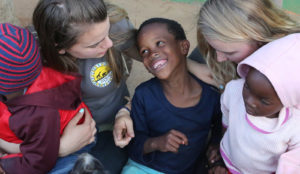
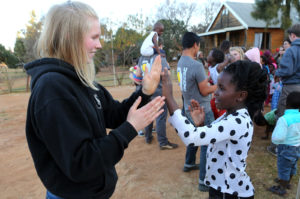
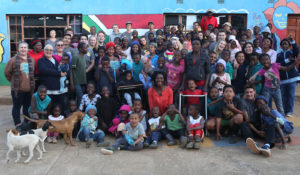
Photos by Shmuel Thaler.
Extraordinary Ordinary People

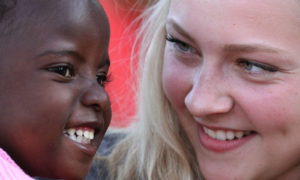
Stepping off the bus I was instantly greeted by an endless flood of smiles. Kids ran from all different directions to greet us. Each one grabbed a different hand as they adopted us into their family at Botshabelo.
Botshabelo is a community that was founded by Marion and Con Cloete. It was established to help children affected by or infected with HIV/Aids. Many of the children living there are very sick and/or are orphans. The community has grown over the years and now the Cloete family is responsible for over 250 children.
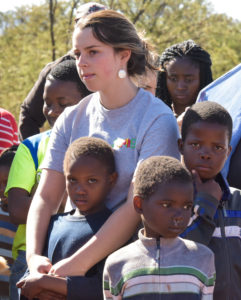
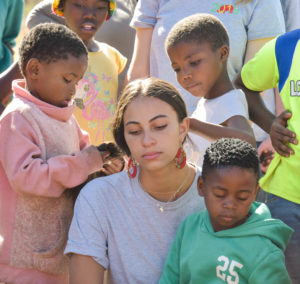
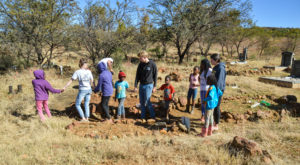
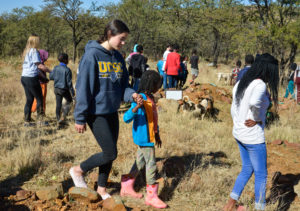
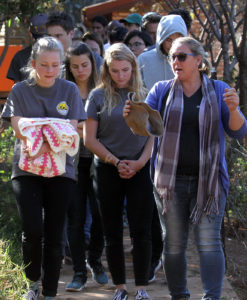
The first thing we did after we arrived at Botshabelo was visit the cemetery that is home to many of the children’s, parents, siblings, and other family members. The girl that had first greeted me at the bus walked me around the cemetery, we passed graves of children and adults. We arrived at a grave where a young woman was putting her son on the grave and letting him play. She told me that this was where her mother and her grandmother were buried and that she was letting them know about her son and letting him meet them. I was taken aback by the nonchalant attitude around death that the children seemed to possess, and the grace they carried themselves with. These children were so joyous to be alive and to have a community, that everything else was just not as important. The girl took my hand and we walked back to the main house where we could pick her out a brand-new outfit. She picked out new jeans, a shirt, underwear, socks, and a jacket. The shine in her eyes was something that will never leave my mind. Kid after kid that I helped carried the same shine and excitement as they could pick out brand new clothes and shoes. The littlest things made the biggest difference in all these children’s lives.
The rest of the day was filled with playing, singing, and dancing, and when it was time to leave I felt heartbroken. I looked at the faces of these smiling kids and I knew that I needed to come back. Even the smallest things we can do can change these kids’ lives in a positive way; there is no excuse to not do them. If you met these kids, there is no way you wouldn’t want to help.

I have never been more grateful to meet and listen to someone talk than Marion. She, along with her husband and two daughters created Botshabelo, where they house close to 250 kids, educating them both through school and about the good and hard parts of life. The moment we sat down with the kids our age, and begin to listen to Marion speak, I was taken aback. Every word she said she spoke with passion. I knew she truly cared. The one statement that she continued to repeat, and caused to me to think a lot, was to be an extraordinary, ordinary person. At first I found this to be slightly confusing but the more she spoke about who she was, and her life journey, it became clear. Her message was for me to be myself, to use my talents. And, for some reason, the way she made me feel gave me the confidence that I lacked. For that, I am truly in awe of her.
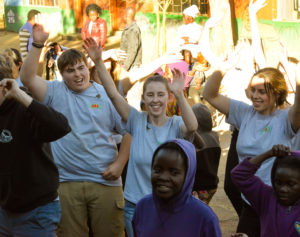
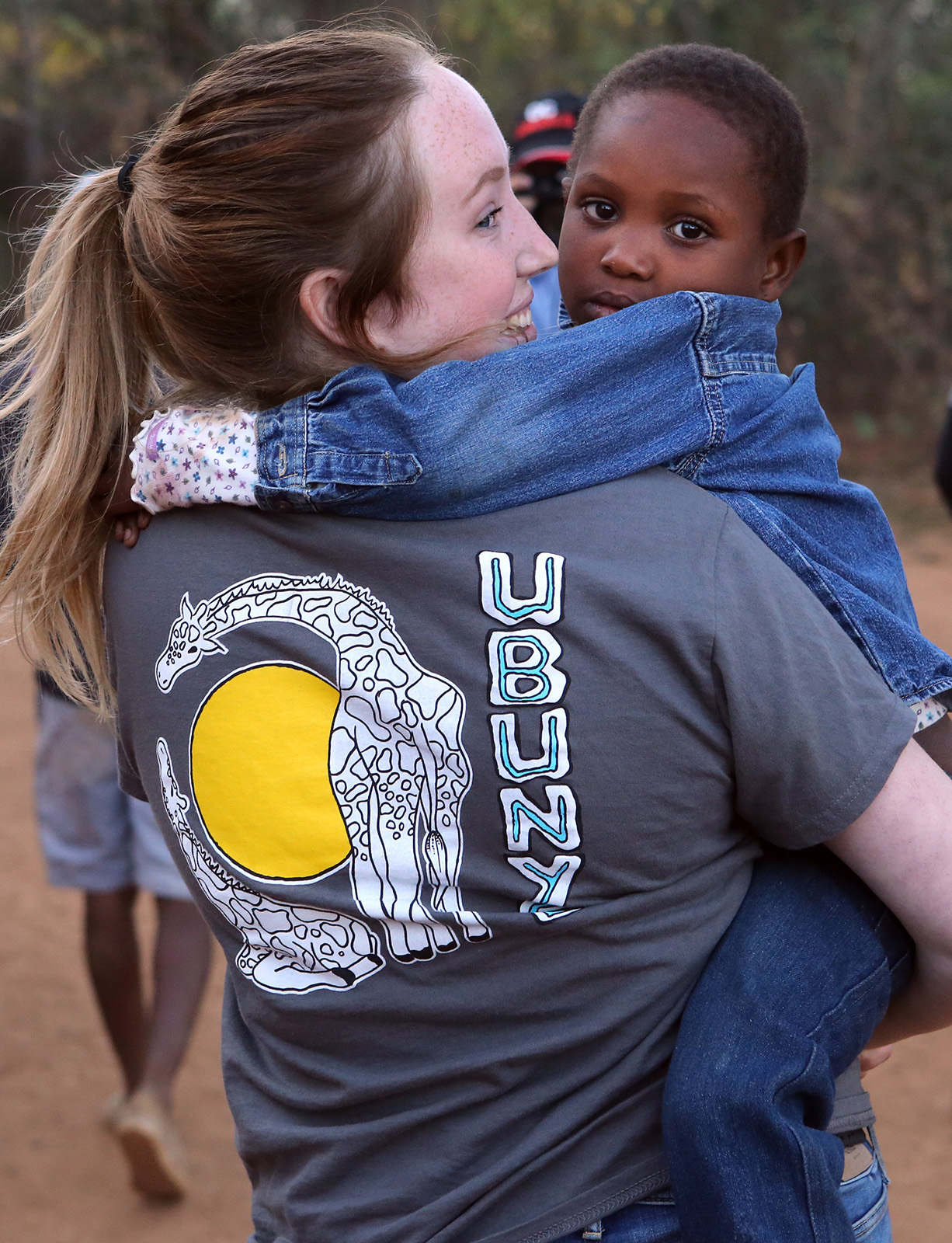
Our last two hours at Botshabelo we had a talent show and the kids there performed and we sang. This was such a fun experience. At the end of our time together we all started to dance to the music that all the kids there knew. Different parts of the song had dance moves that went to them, and there was a part in the song where we would all clap. A young girl, who was very quiet, stood near the edge of our dancing and every time we would clap I would turn to her and clap. I wanted to scoop this sweet girl up into my arms, but I didn’t want to intimidate her. At one point during the dancing, I was standing by myself and I felt a hand on my leg. It was the girl, Leah. As I turned and looked down at her she put her arms up and I swooped her up in my arms. I held onto her for the rest of our time there, right until I stepped onto the bus. She was the sweetest little girl. Although she didn’t talk much, right as we were leaving she turned, made eye contact, and said come back. And I promised her I would.
Before stepping on the bus, I went to thank Marion for all that she had done with her life and tell her how much of an impact she had had on me. She gave me a hug looked at me said, “You are beautiful, please do something amazing with your life.” I nodded. She went on to say that Leah never lets anyone hold her.
I will never forget Leah. She taught me that sometimes silence is better than speaking because when you do chose to speak those words will have a major impact. I am honored to have met Marion and her amazing daughters. I consider her a hero and I hope to return to her soon.

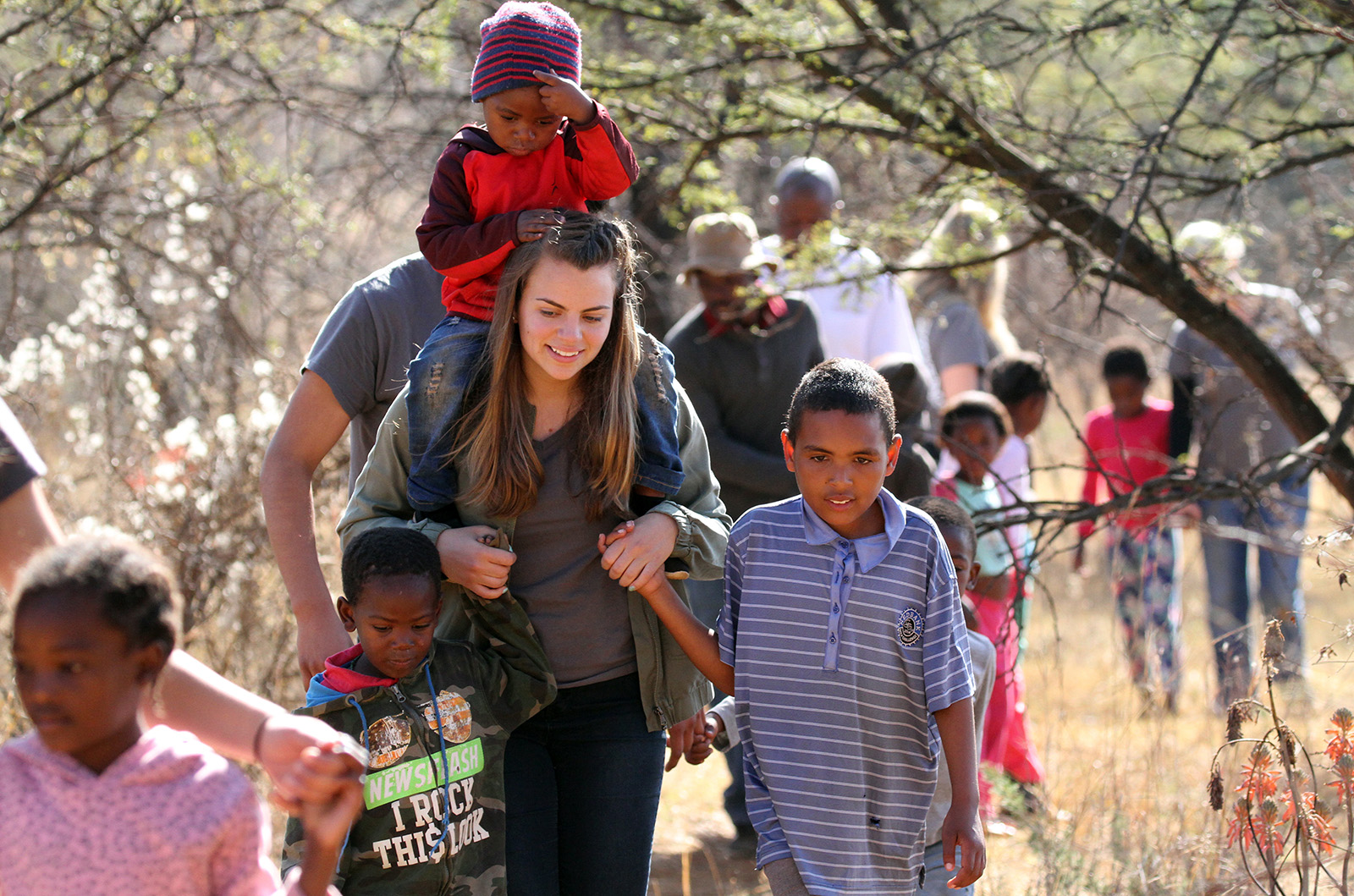
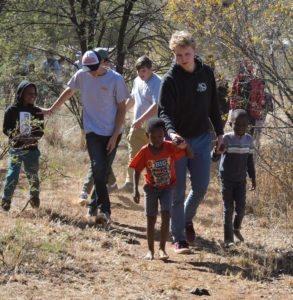
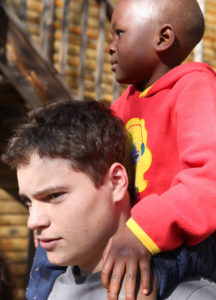
I stood in the middle of the Botshabelo outdoor area and waved to every new face that looked my way. I said hello to a lot of the kids but I hadn’t made any connections yet. I looked around and spotted the most adorable little boy chasing a soccer ball across the dirt all alone. I walked over and said hello. He looked up at me with a confused expression on his face and then continued to play with the soccer ball. I was a little disappointed, but quickly brushed it off. We were then told we would be going on a walk to the cemetery where a lot of the children had loved ones buried. When we started to walk, I was led by three boys. An 11-year-old boy named Given, a 7-year-old boy, and the same little boy who had previously ignored me. I later found out that he was 6 years old. We walked in a line with Given holding my left hand, the other boy holding my right hand, with the younger boy holding his hand. Half way through the walk, I asked the 6- year-old if he wanted to ride on my shoulders. He smiled the most adorable smile I have ever seen and nodded. From then on we were together for most of our visit until we had to leave. He didn’t speak a word of English but with the help of Given, our translator, I understood every time he pointed out a new cow or when he wanted to get back on my shoulders. The thing that made me like him the most was his smile. He held so much genuine happiness on his face when he laughed that it made me smile. We laughed and played so much together throughout the day that when it was time for us to leave, he was falling asleep in my arms. I felt sad to have to put him down and give him a hug for the last time. We stuck together for the last few minutes as everyone said their goodbyes. When it was finally time to get on the bus, I heard one of the older ladies laugh when she saw him staying with me and then told one of the older kids to take the poor little tired boy, since he looked about ready to pass out at this point. I will miss my little friend very much and I hope I get to see him again one day.

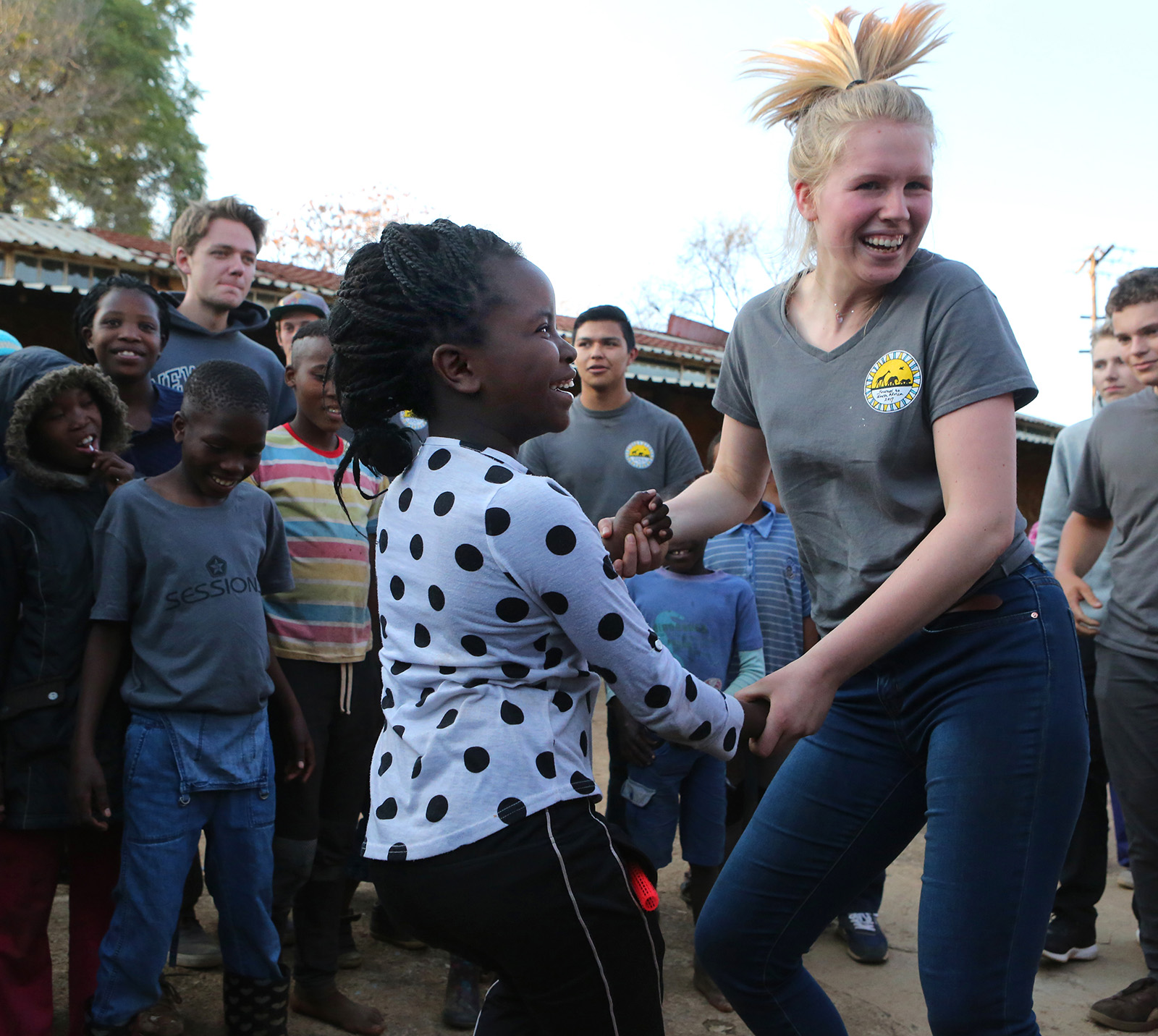
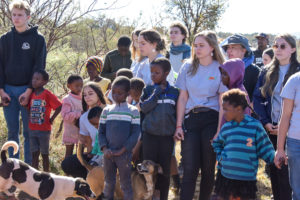
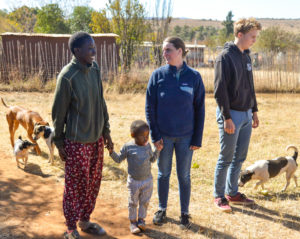
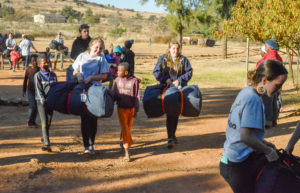
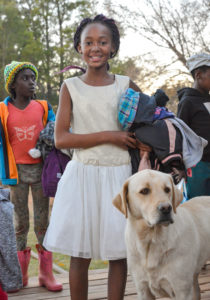
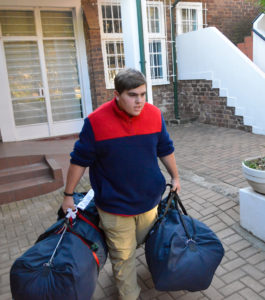
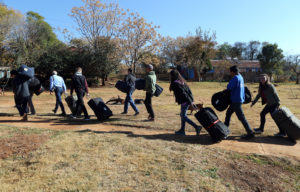
We arrived at Botshabelo around 10:00 am and immediately unloaded the donation bags from the bus. We mingled with the kids, dogs, and puppies then walked with them to the graveyard. I walked with two little girls; Leah and Dipuo. We would run ahead of the slowpokes, “baaa” back at the sheep, and make our arms into tunnels for people who walked past us. I taught Leah how to play the game slide and we kept laughing because we would do it wrong. Dipuo didn’t talk as much but we exchanged many smiles and laughs with each other.
Marion Cloete gave us a real life TED Talk. Some of the most memorable points were: feed your passion, ask if your dream is yours or one your parents imposed upon you, that each of us knows what we came into this world to do, we must simply discover it; strive to be an ordinary extraordinary person, discrimination happens everyday at many different levels, join organizations, and sign petitions you care about.

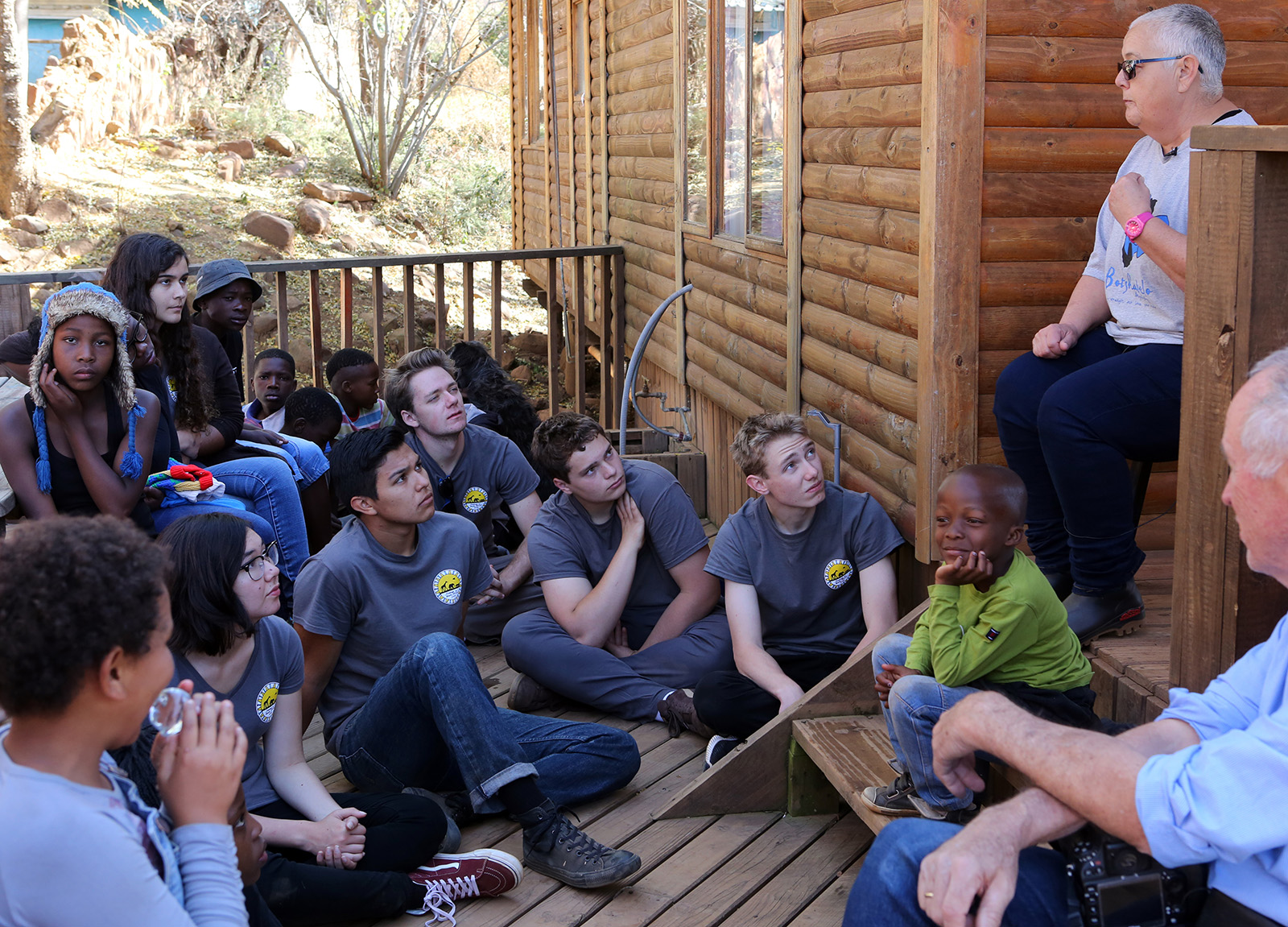
A “boat-rocker” is someone who’s never afraid to say what they think, no matter how much drama they might stir up. This term came from the mouth of Marion during one of the most inspiring life-pep-talks I’ve ever heard. She told us that the only way to make a change in the world is to be a boat-rocker, and to be what she calls an “extraordinary ordinary person.” She emphasized genuineness and self-expression. Her eyes shifted back and forth, examining each person listening to her, holding a gaze that could cut through souls. She could see everyone’s story from that gaze, and she wanted us to not be afraid to tell it.
Everyone has a passion, something that you– and only you– dream about. This isn’t the vision that your parents, or your teachers, or your peers have for you. This is who you are, and it’s who you must be. You can’t change the world if you let others change you. Be yourself, and from following an ordinary passion, you will do extraordinary things.
I’ve always wanted to change the world. I’ve never really figured out how, but hearing from Marion that being genuine and following my dreams is the only way to do so was nothing short of great news. After her speech was over, I thanked her and told her how much she had inspired me. She stared at me intently, and told me that I was going to do great things. “You have the look,” she said, “I can tell.” Whether she believed those words is something I can’t be sure of, but maybe all she wanted was for me to believe in myself. I didn’t tell her about my passion for music because all I need to know is that I can, and will, follow that passion for as long as I possibly can. Hopefully, I’ll never forget to thank my friends and family that continue to support me, and hopefully I’ll rock some boats along the way.