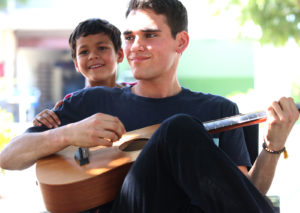
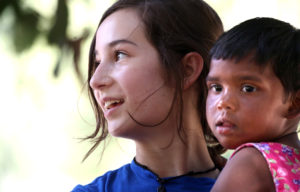
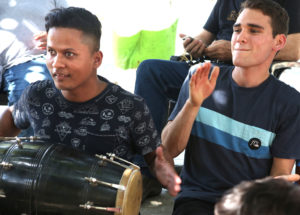
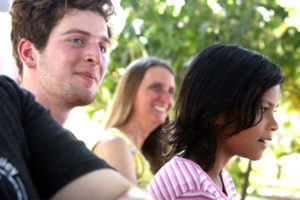
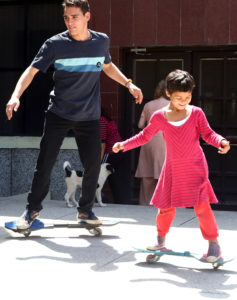
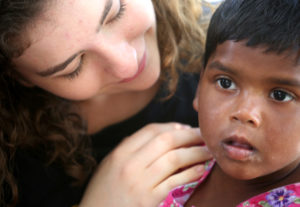
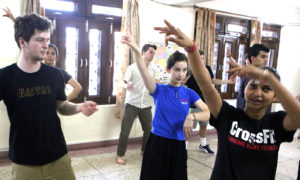
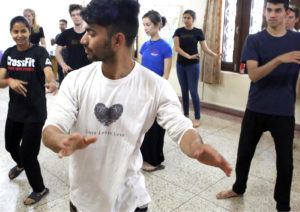
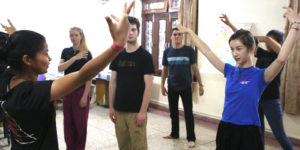
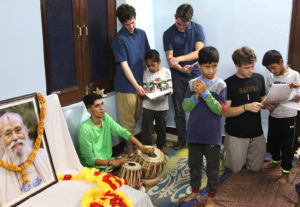
An overview video of the entire Maitri Project learning journey in Spring 2019.
Journey Complete!
The Maitri Project is complete! The students returned home on April 7th. Check back periodically for a couple final posts as well as a full 20 minute overview video in a week or two.
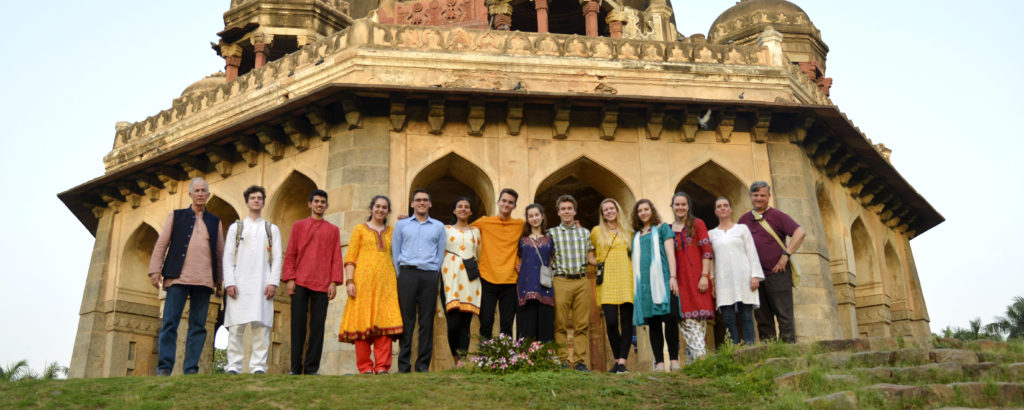
Video: Pardada Pardadi 2019
A short video of the Maitri Project visit to Pardada Pardadi girls school in 2019.
Filmed and edited by Devin Kumar (http://devinkumar.com)
When You Empower a Community
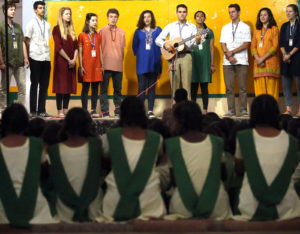
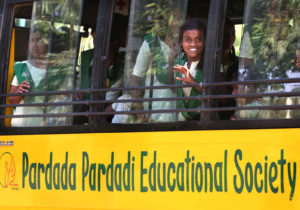
Pardada Pardadi Educational Society

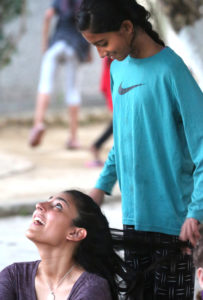
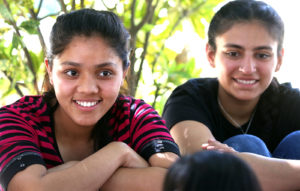
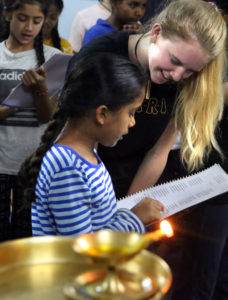
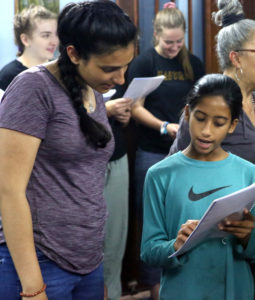
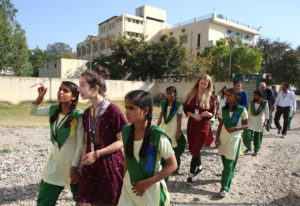
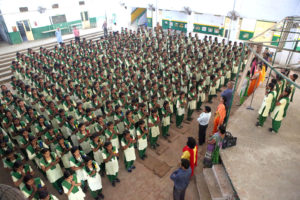
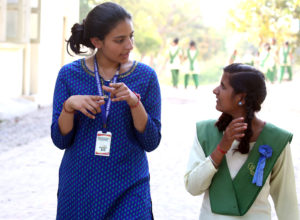
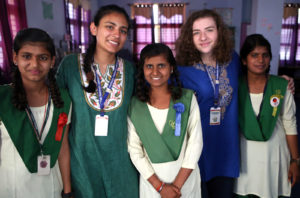
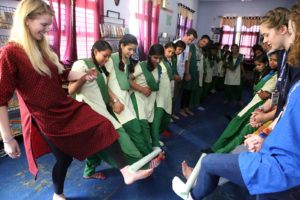
After an incredibly bumpy 7-hour bus ride, we arrived in Anupshahr. We were coming off a long night of dancing and partying in honor of our last day at the ashram. Almost all of us were feeling tired and disoriented, traveling from place to place really took it out of us. I had no idea what to expect from our next experience at the Pardada Pardadi school for girls. The only thing I knew was that it was a huge establishment, providing education to about 1400 girls who came from the surrounding rural villages. Upon arrival, we were very kindly greeted by a group of students who had just finished their grade 10 exams; I immediately became energized by this bright group of students who were eager to show us around.
Right off the bat, I became friends with two girls named Bhati and Swati. They guided me through their huge school and along the way we interacted with dozens of younger kids who were playing outside for recess. We shared with each other a bit about our interests and our passions; I learned that both girls were studying maths and science so that they can become software engineers. They also shared with me that they loved to play music and dance. Most of the girls who go to Pardada Pardadi are first generation learners, and through this institution they’ve had the incredible opportunity to receive a quality education so they can pursue their dreams. The girls spoke amazingly good English. They were kind and respectful, eager to learn, and they were great listeners. After spending an hour with them it was becoming very clear to me that there was something special about this place.
One of the greatest lessons I’ve been learning over the course of our trip has to do with service. We have met incredible leaders, who have dedicated their lives to serving a cause much greater than themselves. This has inspired a life changing and new outlook on life, and a greater understanding of what I seek to value.
During our time in India, we have met with Rinchen Khando, who has devoted her life to helping establishing, and running, The Tibetan Nuns Project. We have met with Dr. Metre who runs an organization called CORD, that helps empower women in rural communities. And of course, we have had the great privilege of meeting with His Holiness the Dalai Lama, who has been a huge proponent of secular ethics and non-violence. Here in Anupshahr, we have met yet another great leader, Sam Singh. He is the founder of Pardada Pardadi and former vice-president of U.S. South Asia DuPont. He worked hard his whole life so that he could give back to the community where his family has owned land for over 140 years. Sam is a visionary who decided he would dedicate himself toward improving the lives of thousands of young women in need. He is an incredible problem solver, and his ability to implement the organizational strategies learned in the corporate world has allowed him to overcome some of the greatest boundaries.
Last night, we got to have dinner at Sam’s house. We drove until we arrived on his beautiful property, out in the country, and for the first time on this trip we were able to enjoy a view of the stars. We ate a gigantic feast, outside on the rooftop level of his home. Dining with us, was a group of people from the United States who were visiting as part of a medical project. They had just finished vaccinating the whole school for typhoid. Our teacher, Sadanand, shared with us the significance of this project. He explained that when you dedicate your efforts toward improving the lives of others, often times you’ll attract people with special expertise who will be willing to contribute. I find it inspiring and uplifting to know that when we truly commit our hearts to selfless service, we can establish meaningful relationships, and therefor have access to great resources we can use to accomplish our goals.

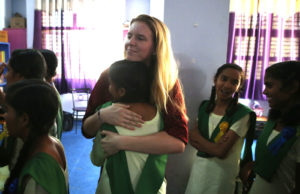
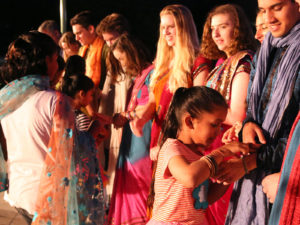
After our bus ride from Sri Ram Ashram to Pardada Pardadi, we were all pretty exhausted, and hungry. I almost didn’t feel like I was ready to meet the school girls. However, as we pulled up we noticed that there was about twenty girls waiting at the entrance of the school to greet us with scarves; so really, there was no avoiding it. My class and I stood in a straight line across from them as they came forward and placed scarves around our necks. I thought it was a very kind greeting. The first girl who I made eye contact with was a very short girl with long hair, and a pretty smile. Her name was Nahid. She ended up being one of my guides along with another sweet girl named Sobha.
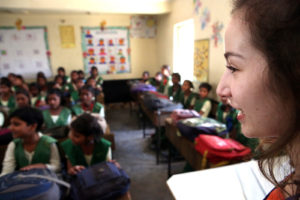
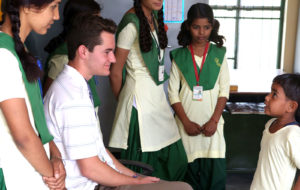
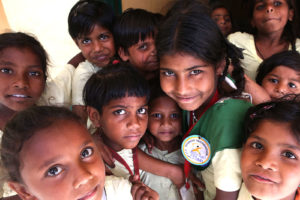
After eating lunch, the girls took us over to the campus to show us each section. This included the nursery / kindergarten classes, primary classes, and even the nurses’ office. As I toured the campus, with Nahid and Sobha, I noticed that all the girls that we passed, no matter what grade or age, were bright-eyed and excited to see us. I smiled back and tried to make eye contact with each girl. By doing this, I became more and more overwhelmed, and yet I still felt comfortable with their eagerness and excitement. They would wave and giggle to each other because they had gotten my attention, and I would laugh because of their cuteness. I think this made me more approachable. Once each group had my attention, they would rush up to me, in packs of about twenty, and exclaim, all at different times, things like, “Good afternoon ma’am!” Or, “Ma’am, how are you? What is your name?”
A few times I was told how happy I looked, and many times I was asked what I was thinking, and why I was smiling so much. The tour didn’t last long, as the girls were soon out of school. Nahid and Sobha wrote their names on my palm in pen, so I wouldn’t forget. They told me how much they would miss me, and that they would be thinking of me until we saw each other again tomorrow. We hugged goodbye and off they went with a few other of their friends that they had previously introduced me to.
Later that night, we had the opportunity to visit the founder of the school, Sam Singh, who explained to us that his home and the property where the school is had been in his family for many generations. Sadanand pointed out the very amazing fact that Sam and Renuka, who helped him create the school, managed to always find a solution to the issues faced by the families in the village, and their daughters. For example, it is promised that if the girls have a 70% attendance rate at the end of each year, 10 rupees will be placed into an account for each day, and at the end of their time studying there, the money is theirs for their future. There is a solar lamp checkout system for girls who don’t have electricity at home, so that they can study at night. There were many other clever solutions to the problems faced by the girls.
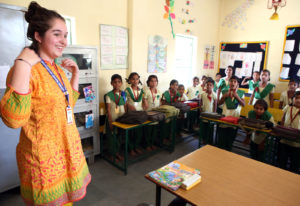
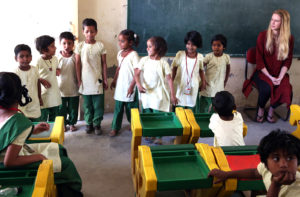
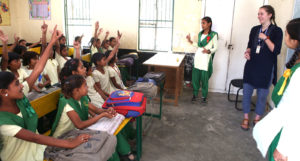
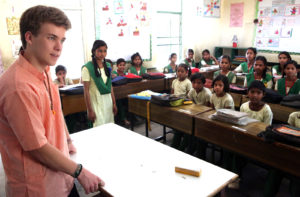
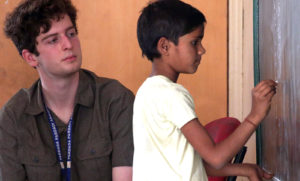
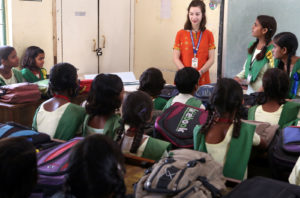
We had a wonderful dinner afterwards. Sam was just as hospitable and welcoming as the girls at the school, which I thought was very fitting. The next day, I got to meet up with my girls again. We did many activities, such as “teaching” and hanging out with some primary school classes, and of course at the end of it all was a long goodbye with lots of laughs and love. I received countless hugs and many exclamations of, “I’ll miss you so much.”
Nahid and Sobha are by far two of the most amazing girls I’ve ever met. Even though we live on opposite sides of the planet and were only able to be with each other for a very short period of time, I know that I’ll remember them. They had a strong impact on my views about the need to empower and support girls. They are, after all, two of the most passionate ones I’ve ever met.
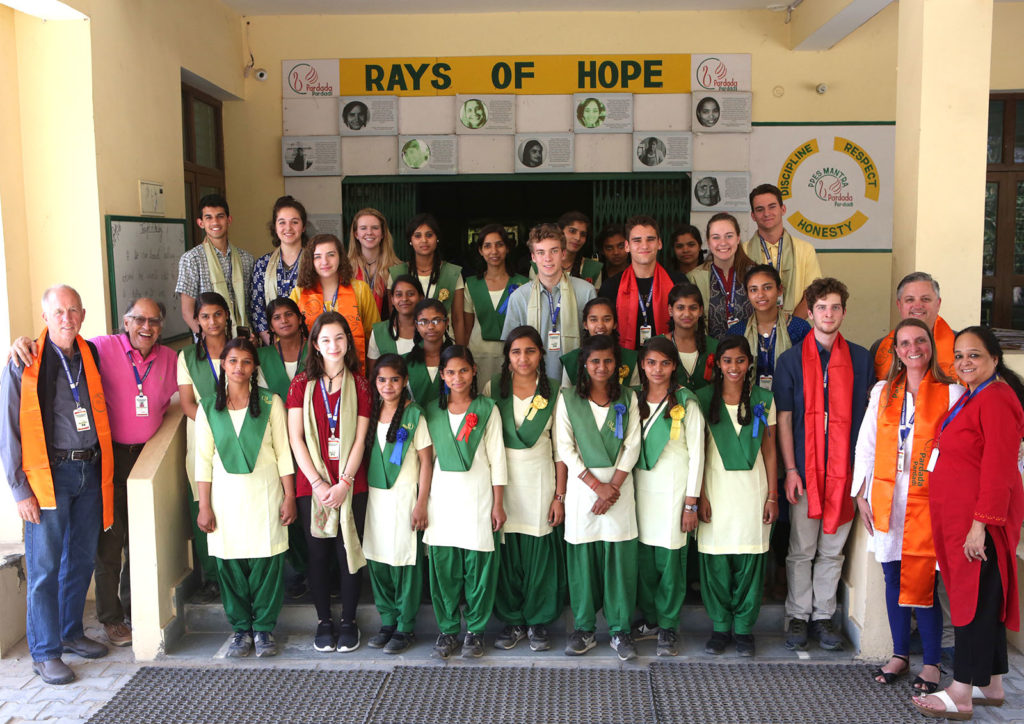
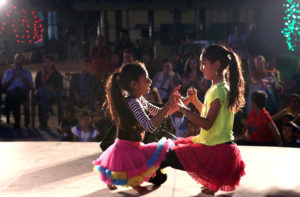
Gallery: Pardada Pardadi Photo Page
Click a photo to enter slideshow mode. Photos by Shmuel Thaler.
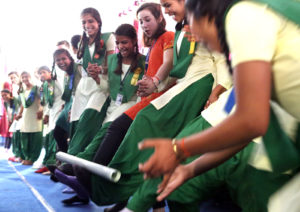
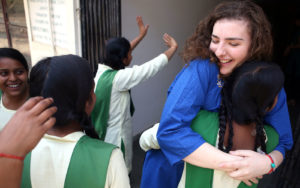
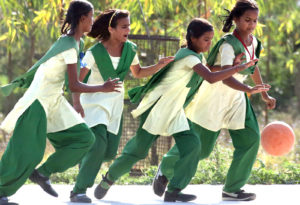
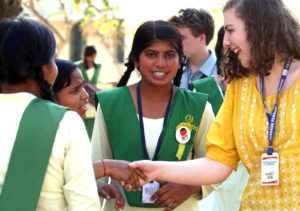
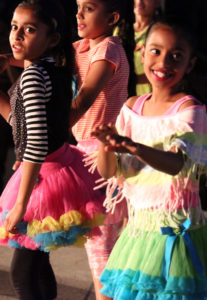
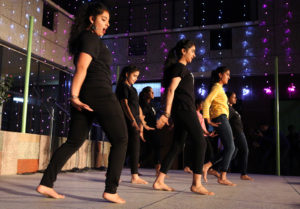
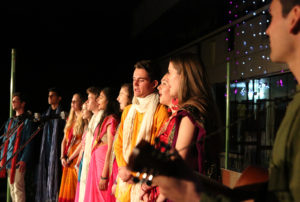
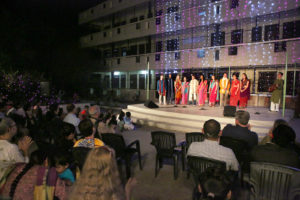
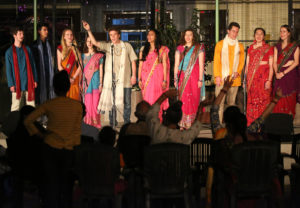
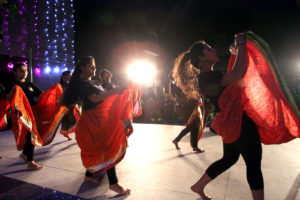
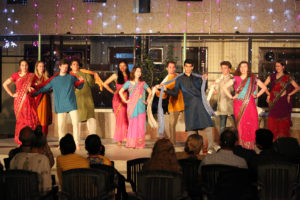
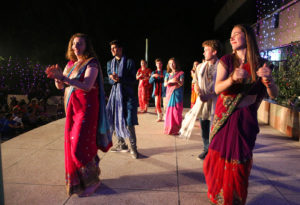
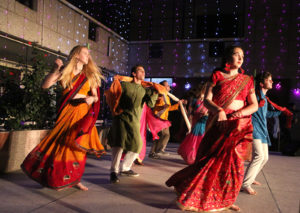
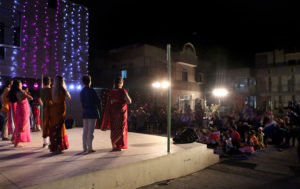
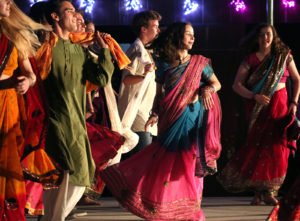
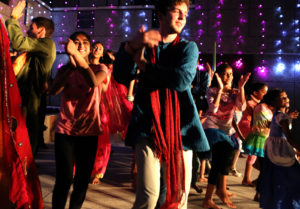
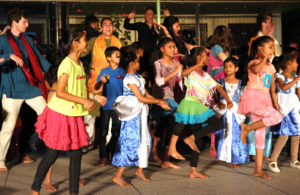
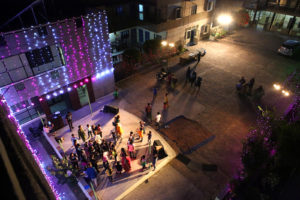
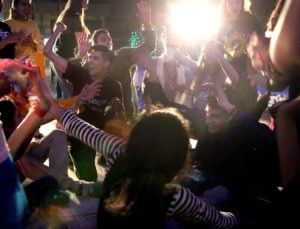
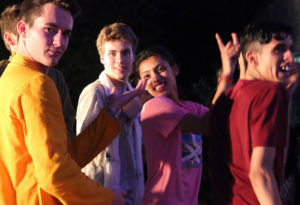
Gallery: Sri Ram Dance Party Photo Page
Click a photo to enter slideshow mode! Photos by Shmuel Thaler.
See post below for student reflections.
Aarti at Har ki Pauri
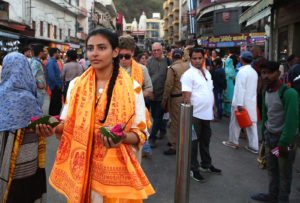

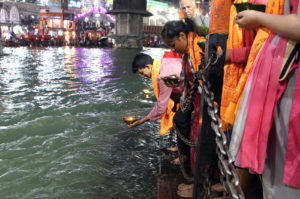
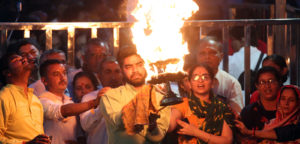
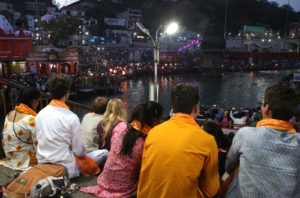
Experiencing Har ki Pauri at the Ganga river was one of the most magical experiences of this trip. Every evening, people in Haridwar pray at the banks of the river where, according to mythology, the god Vishnu descended from heaven and left his footprint. At Har ki Pauri, the people provide offerings to the goddess Ganga and perform Aarti, or their evening prayer. It was moving to see thousands of people united by devoted prayer. From our seats on the bridge, we could witness the whole function. It began with a procession of priests walking to the river while chanting. During Aarti, everyone joined in the priests’ chanting, and raised their arms in an oath to be better, kinder people.
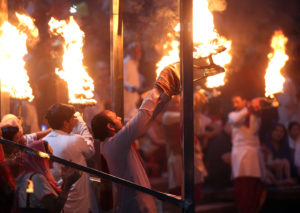
As the sky grew dark, the priests passed around a torch that lit the riverbank. Everyone around us began lighting candles, torches, and flower boats. The muffled sounds of chimes and songs echoed from the loud speaker. I will never forget the view of the fire, light, and their reflections in the Ganga, brought to life by music and prayer.
When Aarti was finished, we somehow managed to make our way through the throngs of people to the Ganga. We gathered at the bank to offer our flower boats to the river. I smelled the flame and rose petals as the candle was lit, gently placed it in the cool water, and watched it ride down the soft current of the Ganga .
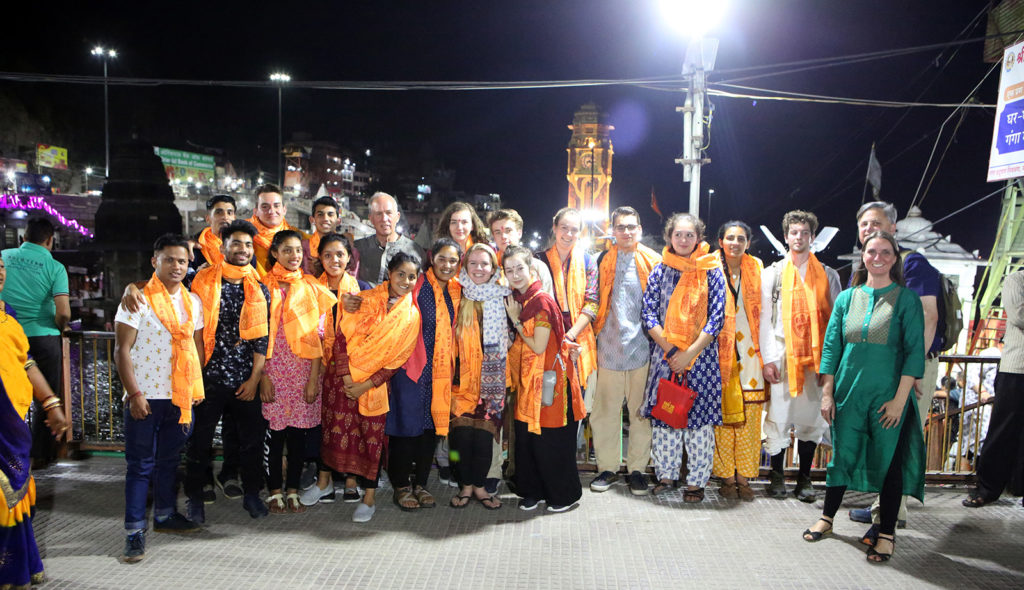
See photo page below!
Gallery: Har ki Pauri Photo Page
Click a photo to enter slideshow mode!
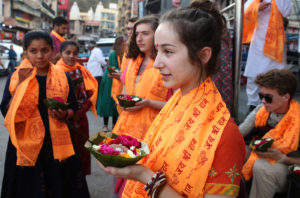
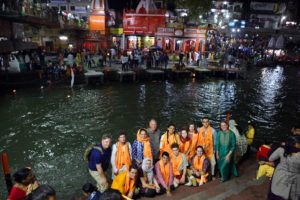
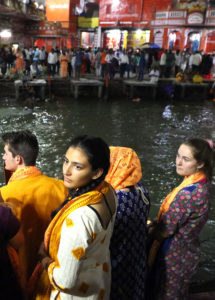
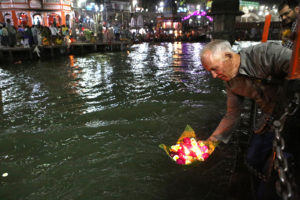
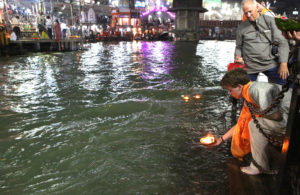
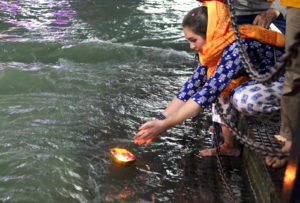

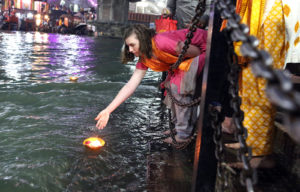



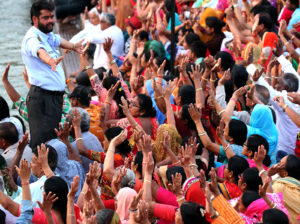
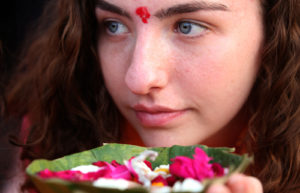
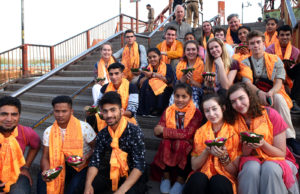
Photos by Shmuel Thaler.
Sri Ram Love and Gujjar Visit
Sri Ram Ashram

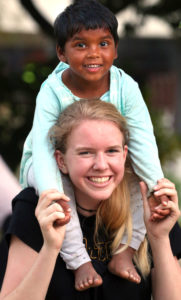
Sri Ram Ashram feels like a second home. We drove into this magical place feeling excited, but with a sense of nervousness. We were unsure of how the next several days would treat us; little did we know what we were in for.
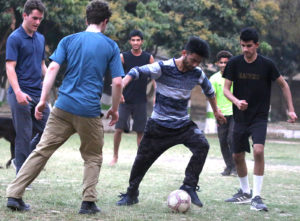
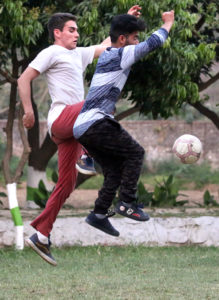
As the bus finally parked, the kids flocked to the door. We were welcomed with warm smiles and genuine happiness. The kids immediately took our hands and led us through the ashram playground, demanding our full attention and arm strength. These kids did not care about our backgrounds, beliefs, or skin color, only that we were there to have fun. And boy have we had fun!
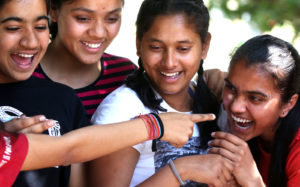
I have met so many amazing kids here. It’s seriously one big happy family. All the older kids look out for the younger ones; they take on this responsibility with grace. It is something that has truly inspired me. It has been a privilege to come here and interact with everyone, I am learning new things about myself every day, and meeting more and more incredible people each hour. The kids are bright, and above all else positive. Laughter fills the courtyard each day, something guaranteed to make you smile.
I find myself really admiring their outlook on life, especially considering the circumstances of many of them before they came to Sri Ram. It is truly a breath of fresh air. I am happy that I am here, and feel grateful every day. I will not forget the memories I have made in this beautiful home, and the relationships that I have built with these special people.
Visit to Gujjar Village

The Gujjars are a tribal people that live in the jungles of India, and have for a very, very, very long time. They are almost completely self-sufficient, their main commodity being milk, which they trade and sell to the locals of their area, and to people in Haridwar. Sri Ram Ashram has a very friendly relationship with the Gujjars, and have traded milk and wheat back and forth for a long time. Yesterday, we got to go and visit a Gujjar village that is very close to the ashram.
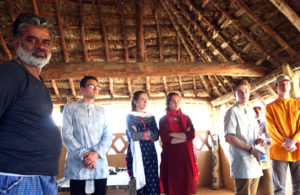
We all piled in the back of a trailer being pulled by a tractor, crossed a canal, and drove forth into the dusty, scraggly jungle that the Gujjars call home. We encountered a little bit of trouble on the way there in the form of two men on a motorcycle who insisted that we didn’t have permission to drive into the jungle, tried to get us to leave, and one of them attempted to pull rank by telling us that he worked for the national parks system in India. Of course, he didn’t know that we were from the ashram, and he had no identification on him to prove who he was, so when he called the village head down to kick us out, we were greeted, and we were allowed by.
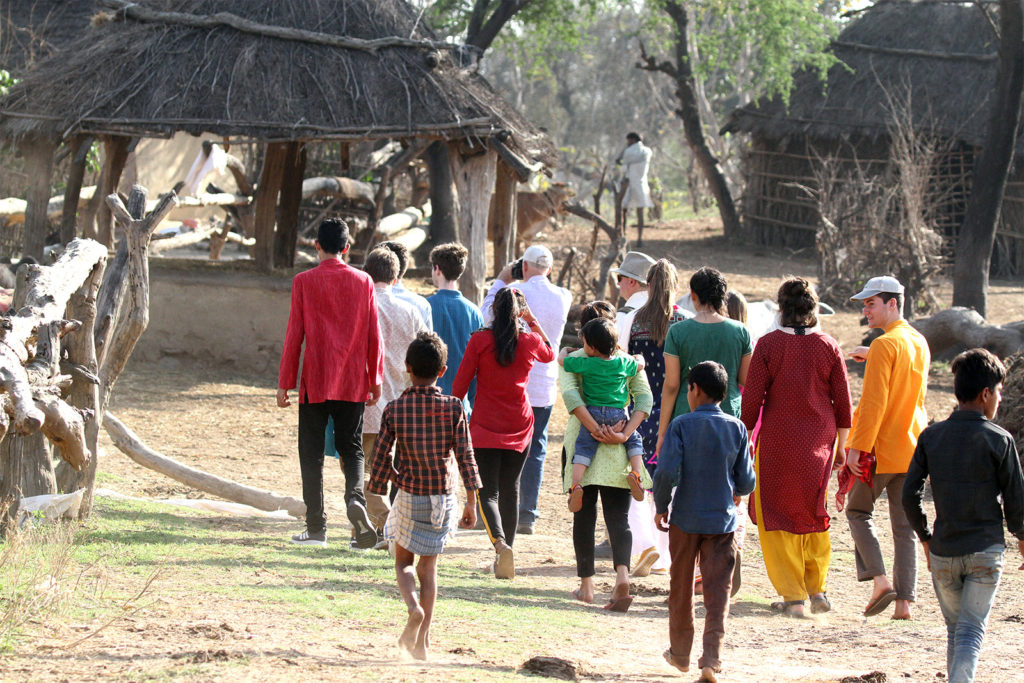
As we mounted the final rise leading into the village, a large crowd of kids stared at us shamelessly as we pulled up. Rashmi, the woman in charge of the ashram, had explained to us that each family has three structures: one for the women and children, one for men and guests, and one as the kitchen. Each structure is composed of walls made from cow dung and mud, and the roof is made of wood beams and grass. While that may sound very simple, the architecture is aesthetically pleasing, and all the huts were well constructed and kept spotless.
Each family welcomed us into their homes with shy smiles. Some of the kids feared us and ran off to hide, but several followed us around the whole village, and showed us their cows and livestock. In one hut, we saw a 10-day old baby goat in a cupboard, laying on the family’s produce.
Overall, I was blown away by the simplicity of the Gujjar’s lifestyle, and how content they were with it. The lack of stuff was noticeable, and I think that this is a big contributor to their happy and simple way of life.
Gallery: Sri Ram Ashram Arrival Photopage
Click a photo to enter slideshow mode! Photos by Shmuel Thaler.