A Rare Kind of Place

Mariah Cohen

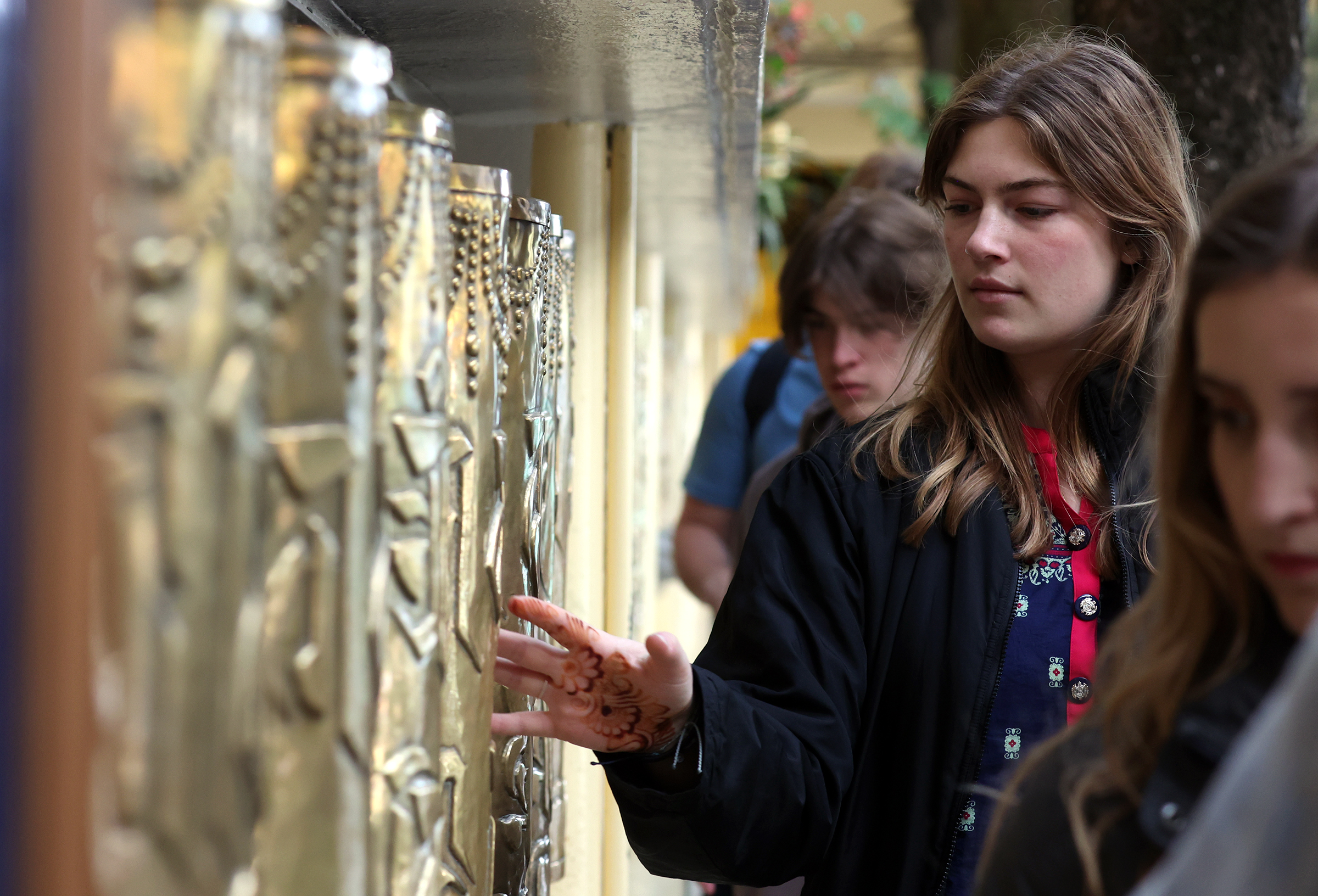
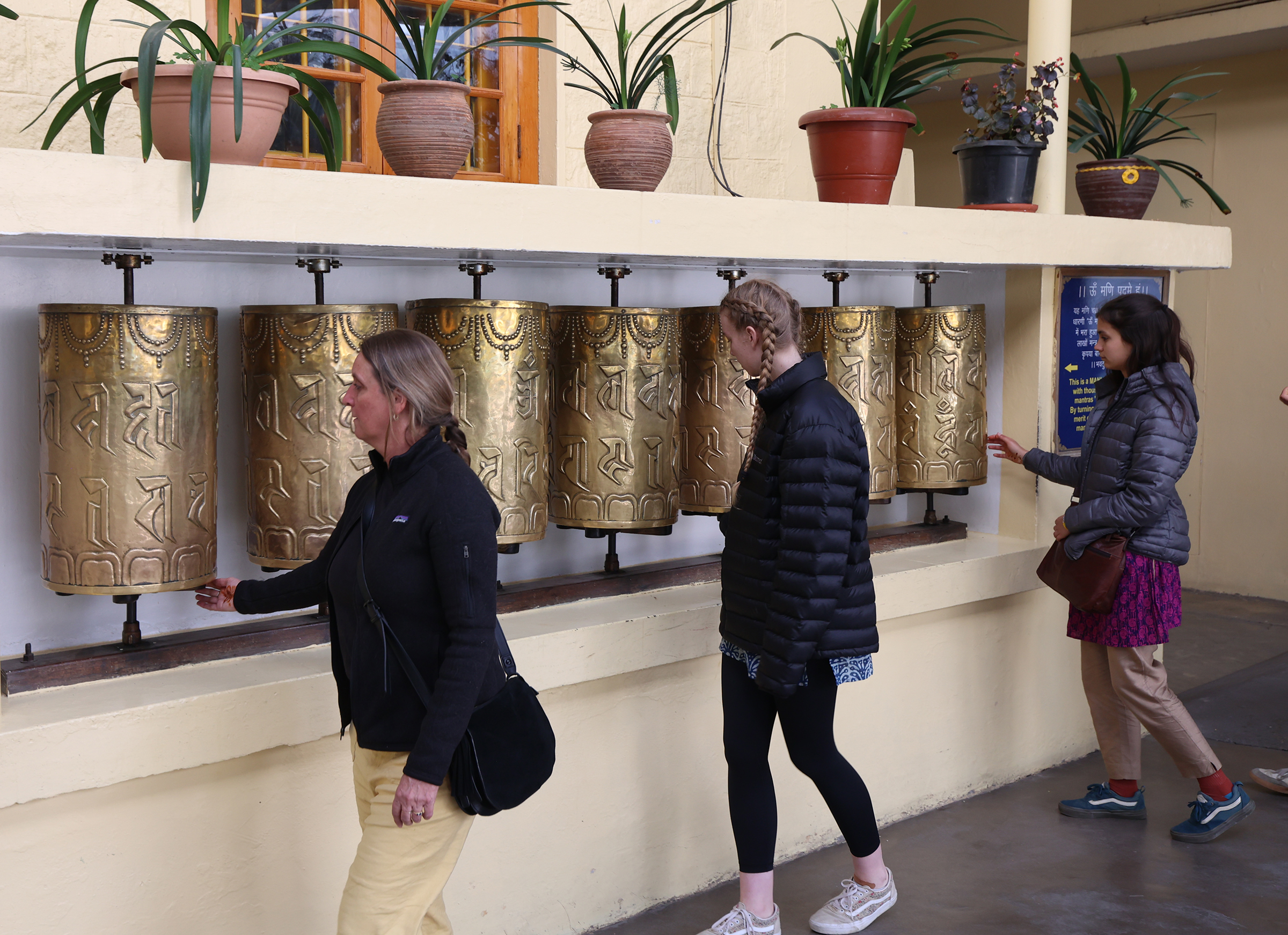
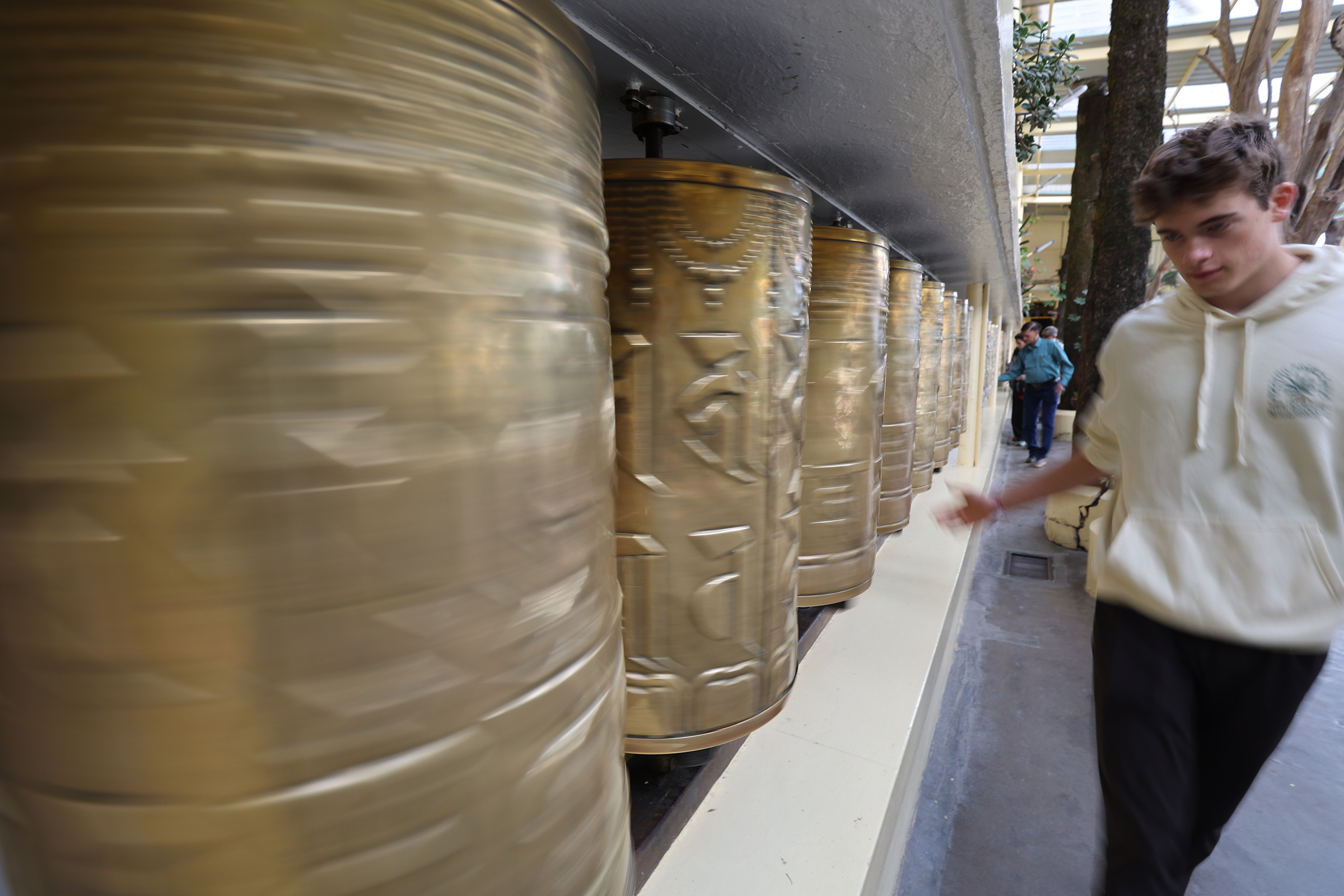
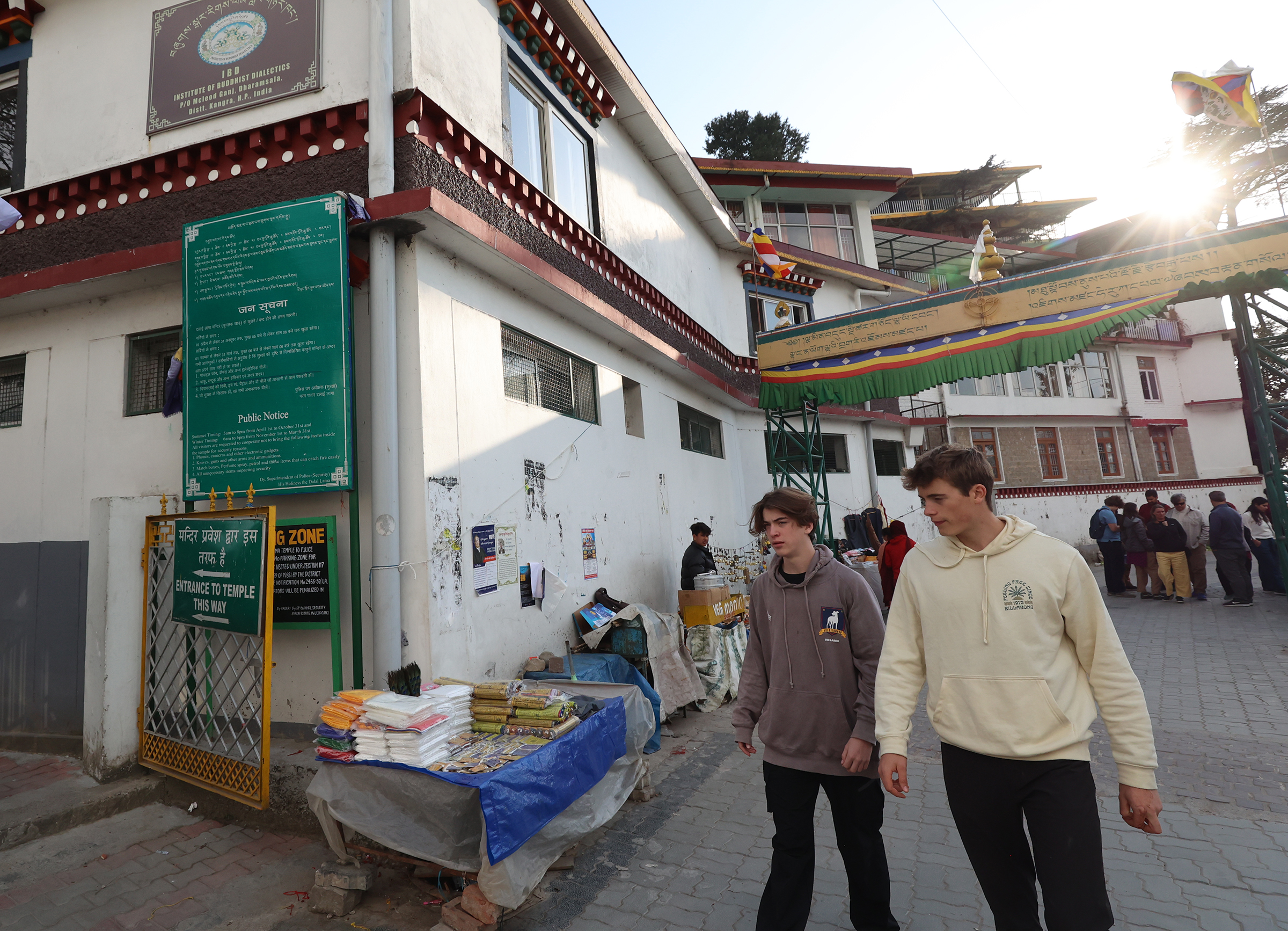
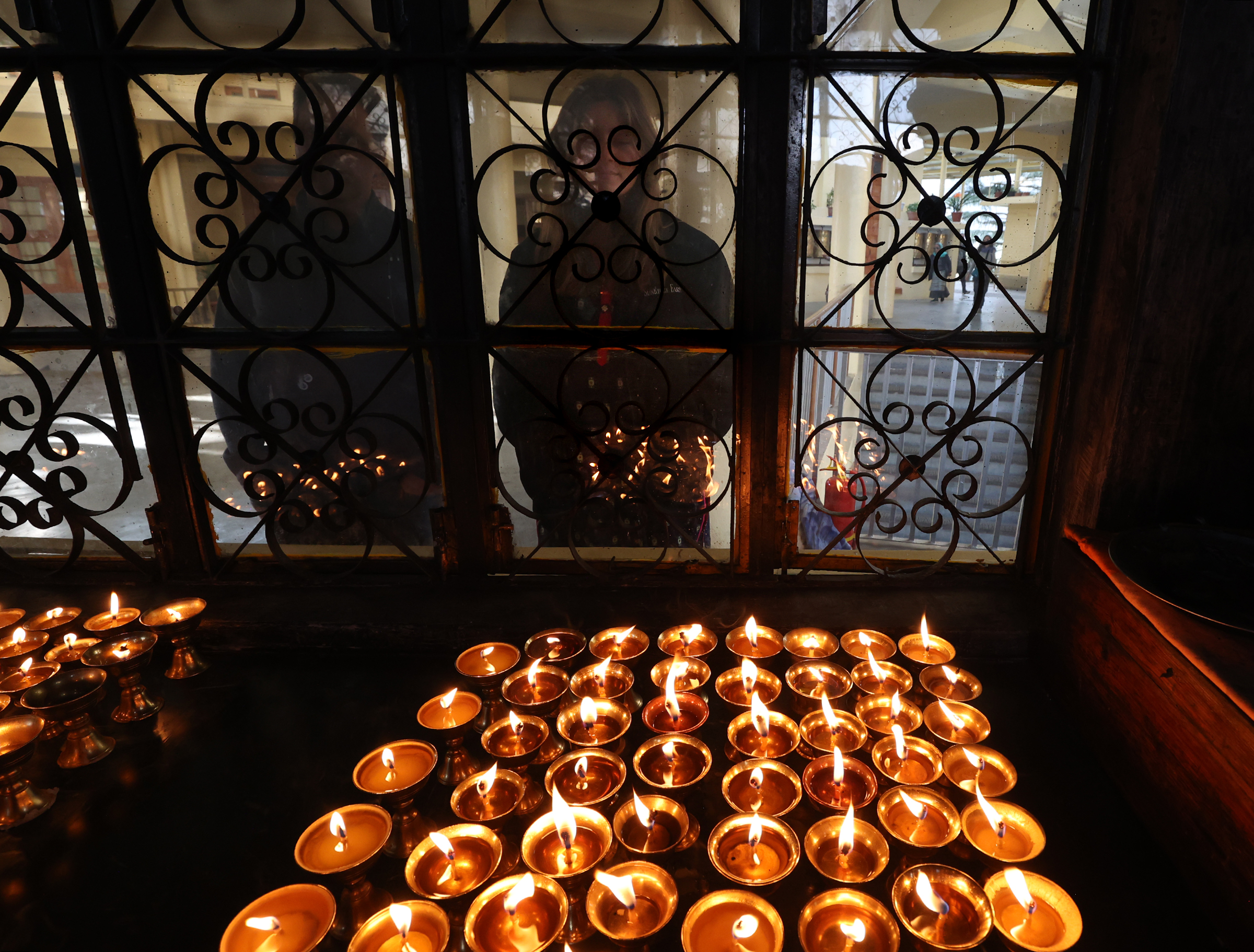
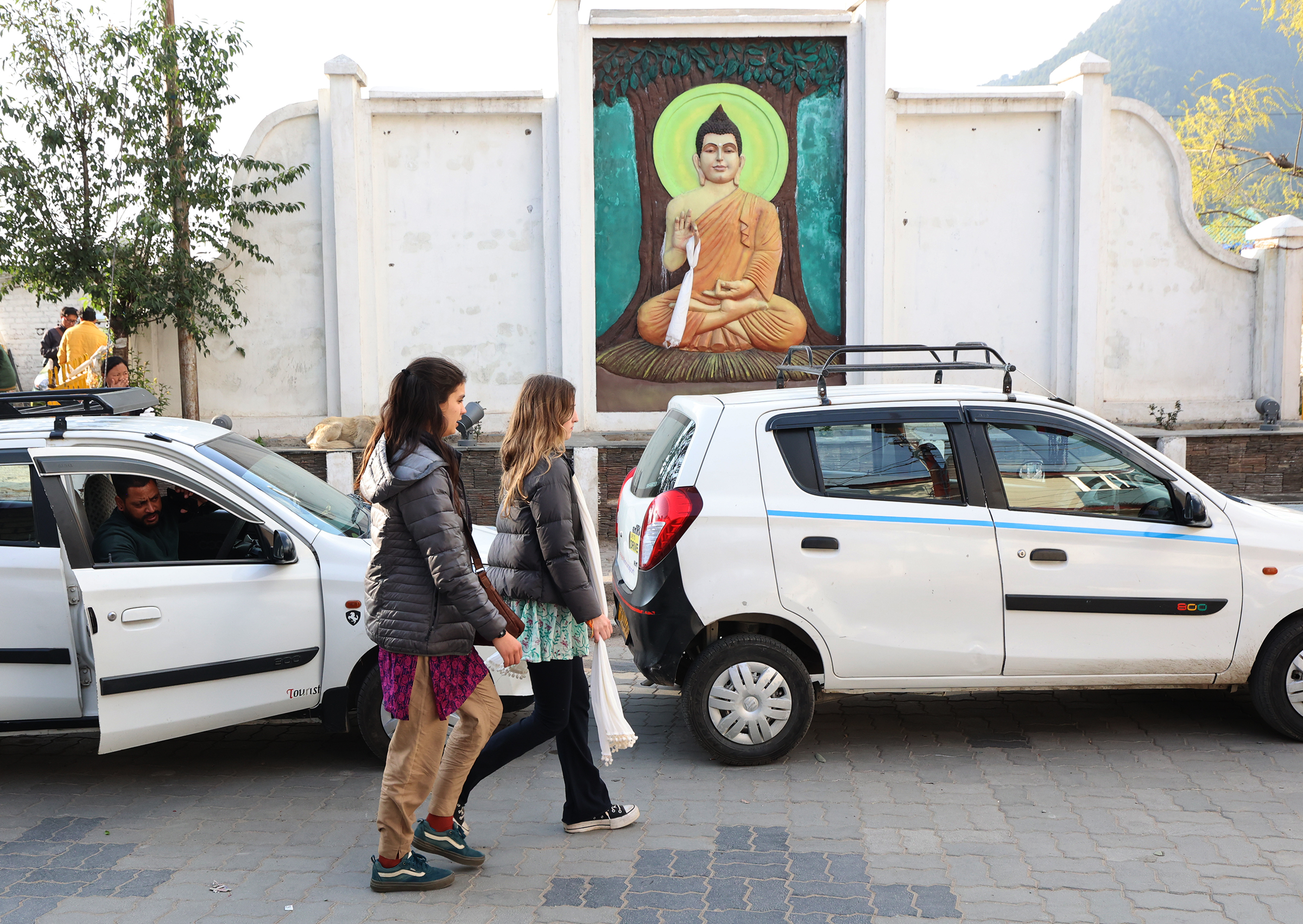
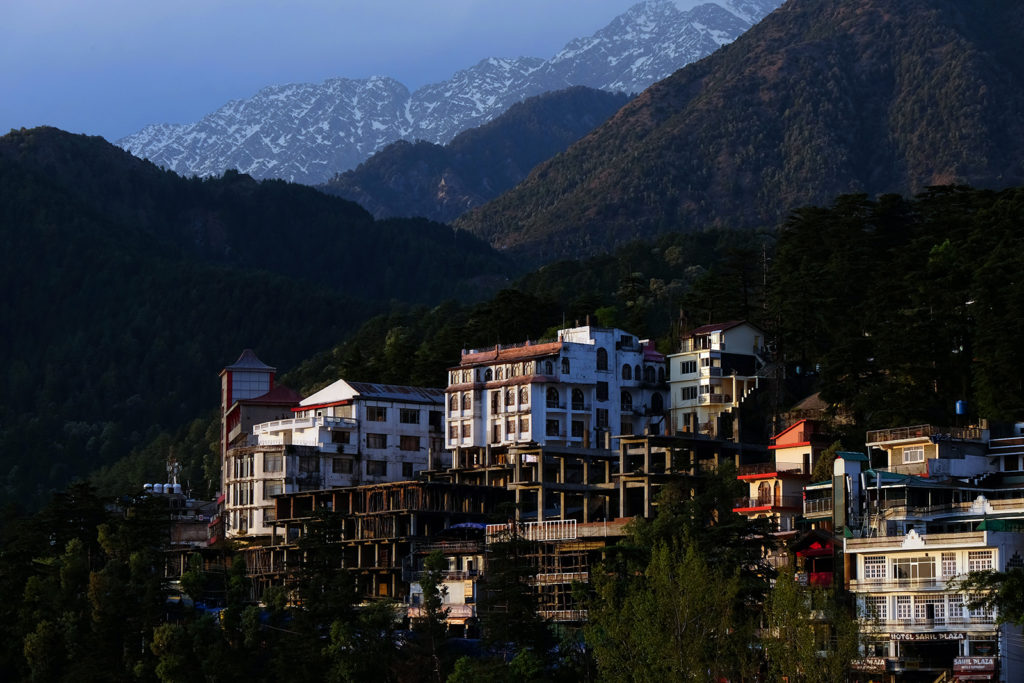
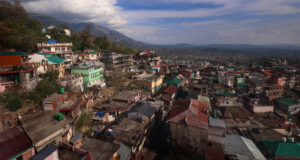
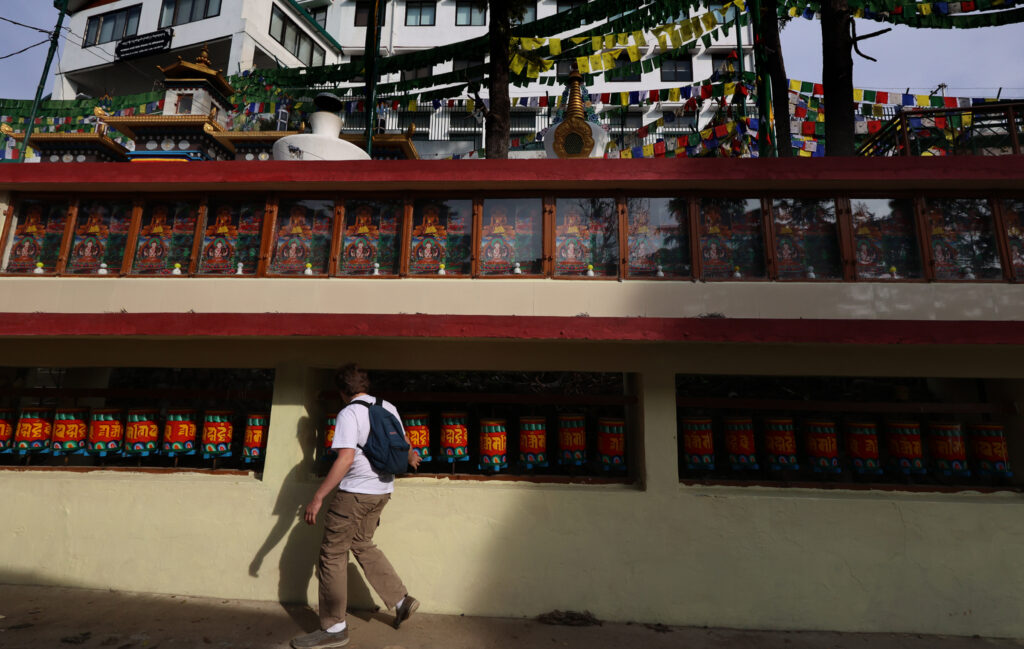
Dharamshala was definitely a highlight of the trip for me. The crisp mountain air was a nice change from the heat in Delhi, and I absolutely loved the scenery. The Himalayan foothills were beautiful on their own, but once the fog cleared and you could see the tops of the mountains with snow at the top, it was breathtaking. Aside from the scenery, Dharamshala was a very nice place to stay. I loved seeing the Tibetan culture sprinkled throughout the town. There were prayer wheels everywhere and we never got tired of spinning them.  There were prayer flags hanging from trees and across the streets, which added some cheery color to our trip, and there were intricate paintings and carvings on the walls wherever you looked. I will definitely miss the undeniable beauty of Dharamshala.
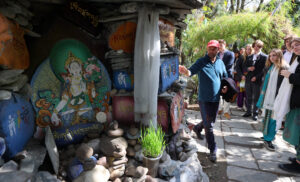
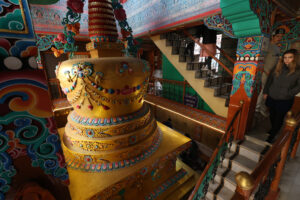
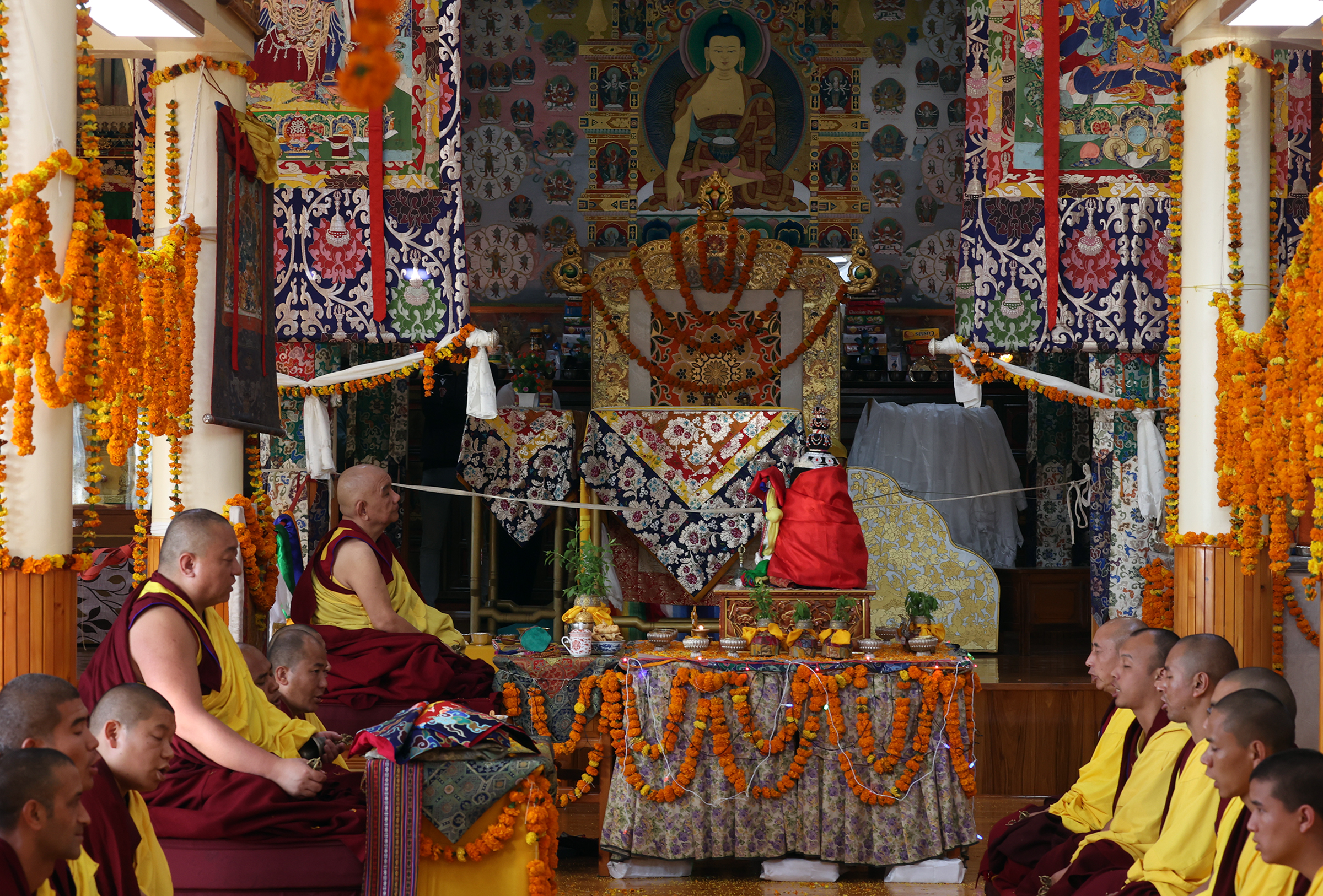
One of my favorite parts of our visit, aside from the shopping, was the Norbulingka Institute. Norbulingka is committed to the preservation and continuation of Tibetan culture and arts. Our tour guide, Ravi, walked us all around and showed us different people working on traditional Tibetan crafts such as painting and woodworking. Of course, Norbulingka was just as well decorated as the heart of Dharamshala, where our hotel was located. There were prayer flags strung high above fish ponds made from stone, and luscious green plants that flanked stone steps leading to a Buddhist temple. The buildings were held up by amazing red columns with paintings that connected with the roof. We all took some amazing photographs, as one may have guessed. The temple was surreal. There was a 30+ foot tall Buddha statue at the center and Thangkas and tapestries depicting different stories of the Buddha. 

Before leaving for Delhi, our last activity in Dharamshala was the Kora walk. On this walk, we were silent and allowed ourselves to reflect on what we’ve experienced so far on this trip, all while admiring the neverending beauty our surroundings had to offer. The Kora walk had some of the prettiest decorations I have ever seen. There were thousands of prayer flags and painted stones throughout the path, and the Tibetan dogs didn’t shy away from here, which made it all the better. I really enjoyed the Kora walk because it gave me some time to just enjoy nature and process all that has happened in the past two weeks. I truly hope I can come back to Dharamshala some day.

Sam Kaplan

Today we left the Himalayan foothills to return to Delhi and ended our 3-ish day visit in the Tibetan-influenced city of Dharamshala. It was wonderful to stay and play at Sri Ram Ashram, and it was interesting to see the diversity and sites of Delhi, but when we arrived in Dharamshala I thought to myself, ‘This is a place I could easily live in.’ 

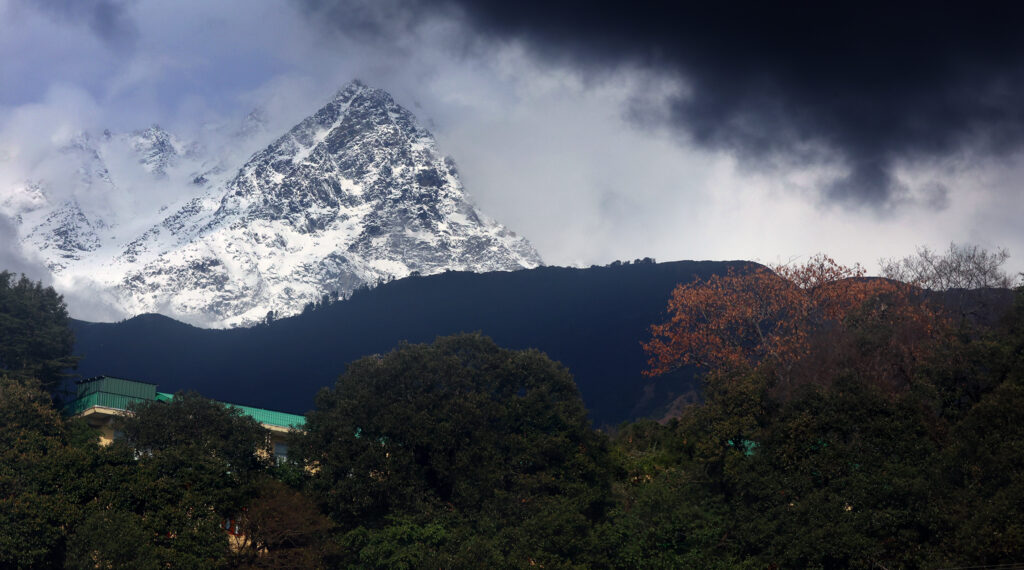
We stayed near the home of His Holiness the Dalai Lama in a town called McLeod Ganj, halfway up the mountain. Our hotel, the Serkong House, had balconies that simultaneously looked over the valley and looked up at the snow covered Himalayas. The foothills and mountains were jagged with long ridgelines and deep valleys in between them. But where the mountains were white and gray with snow and rocks, the foothills were green with splotches of color, populated by a dense layer of trees and broken by the occasional village or house. The air was cool and for the first time since arriving in India, clear. I was reminded of the high peaks in Yosemite National Park that gave way to rolling hills and a couple valleys. But unlike Yosemite, this was not just a park but the home of many Indian, Tibetan, and Himalayan tribal people.
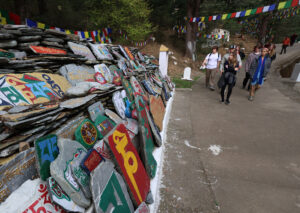
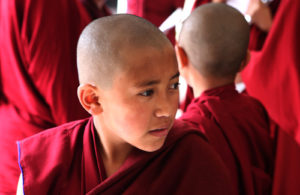
McLeod Ganj is a rare kind of place and I still find myself thinking about its curious cultural position. It seems that at least a third of the people living there are monks who study at the temple adjacent to the Dalai Lama’s house. Many more Tibetan lay people also live there, drawn to the seat of the government in exile. Some are descendants of tribes who live in the mountains, and some are Indians from the surrounding state of Himachal Pradesh. On one hand McLeod Ganj is like the capital of Tibet. While China has taken over the Tibetan state, Dharamshala has acted as a beacon to many Tibetan’s searching to practice their religion freely and escape Chinese oppression. Dharamshala has become the home and archive of Tibetan things, people, culture, and religion. On the other hand Dharamshala is not part of Tibet, it is part of India. In a way all of the Tibetan refugees are visitors or guests in India. As Rinchen Khando, founder of the Tibetan Nun’s Project, talked to us about, Tibetans still yearn to reclaim their homeland. What does it mean to have a government and religious leader who people flock to, operating under the refuge of another government? What does it mean to have a culture carried on only by people and not by a specific place? What does it mean to watch as another government tries to strip your cultural home of its culture?
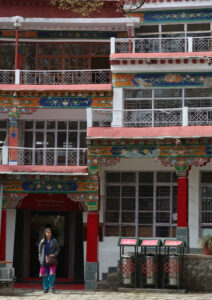
The situation in Tibet is horrible in many ways, but out of that situation a place like McLeod Ganj is born. Today we walked the Kora Circuit, a sacred trail that runs around the home of His Holiness The Dalai Lama. At one point the road branched off to a home for the elders and I saw many of them walking the loop, moving slowly but with resolve. I saw one sitting with two younger adults and talking, maybe even teaching them. I was struck by these elders; there seemed something resilient  and encouraging about the walk they were taking. They were and are the custodians of Tibetan culture, it is possible that some of them had to escape Tibet themselves when China took over, and they are still walking their sacred trails.

I’m still not sure what all of this means, the resilient elders, the tragedy of Tibet, the cultural melting pot of McLeod Ganj, the Tibetan home away from home in Dharamshala, and the provided refuge, given by the Indian government. But I continue to think about it, and I continue to explore the situation in my mind with curiosity, sadness, and a touch of hope. I know there is something in all of that information, something to be learned, something to be changed about the world. In the meantime I present the pieces of observation to you.
Lending Open Ears and Hearts

Jacob Sirk-Traugh

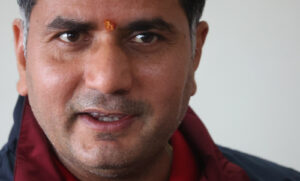
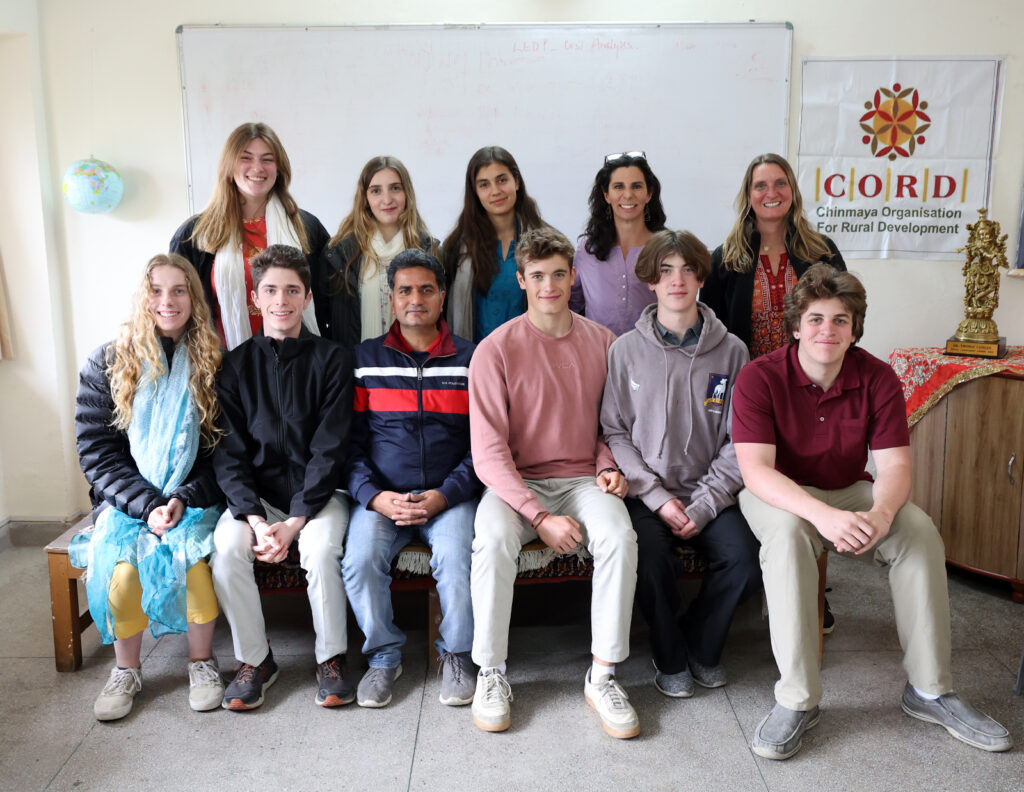
Today we interviewed Shri Narender Paul, Chief Operating Officer of the Chinmaya Organization for Rural Development (CORD). CORD is an organization focused on uplifting communities in rural India in a variety of ways. One of their main strategies is to bring autonomy to rural India by teaching those in poverty employable or entrepreneurial skills. By doing this, rural communities become self reliant and are lifted out of poverty. Additionally, CORD helps form large women’s groups within their villages which can help with education and literacy, domestic violence, supporting children, offering microloans, helping with disabilities, and much more. One thing that struck me during the interview was when he told us how pursuing a career based in helping others allowed him to find purpose and to stop being a “confused teenager.” Additionally, he was talking about how he has realized that because humans are so interdependent on each other, you can’t just take from society, you have to give something back. This led to my first major takeaway from this interview which was that helping others is always beneficial to oneself and that it is a spiritual necessity to give back. 

Because he joined CORD as an occupational therapist, Shri Narender Paul is passionate about disability issues. He believes that solving these issues is about more than just the solution, but about the people involved. The most important thing, in his opinion, is making sure that the disabled are not viewed as a burden or charity cases, but active members of their economy and society. This really struck me because disability issues are so often thought about from the perspective that these people are a burden to be dealt with at the cost of some resources. In reality, it is not only morally correct, but also economically prudent to support disabled people to participate wholly in society. This interview really made me think about the power of anti-disability stigmas. 

CORD utilizes many unique strategies in the development of rural India. Because India is such a diverse place, cultural pushback or misunderstandings can happen. When asked about this, Sri Narender Paul told us that they avoid this issue by educating and providing training to people native to the community they are trying to help. This helps overcome many language and cultural barriers. Additionally, because the people suffering from a specific issue are the most involved in solving that issue, there isn’t a lack of understanding of what the problem actually is and unwanted solutions are not imposed on communities. Understanding these strategies has helped me understand why CORD is such a widespread and successful organization, as well as proving to me that to attain long term solutions, you must directly include the community members as the agents of change.


Zoey Ocampo-Sobkoviak

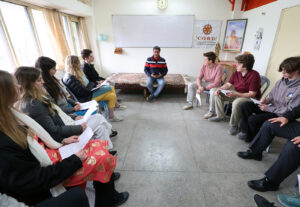
Before our interview with Shri Narender Paul, the COO of the Chinmaya Organization for Rural Development (CORD), we took a tour of the facilities that are used for education, different forms of therapy for local people with disabilities, and the facilitation of artisanship. We also watched a video that detailed the mission of CORD: to help rural communities in India and Southeast Asia empower themselves through education, political action, emotional support, and entrepreneurship. The organization’s main site is located amidst the snaking roads of the Himalayan Foothills in Himachal Pradesh. CORD was founded by Dr. Kshama Metre in 2003, inspired by an earlier program developed by Swami Chinmayananda in 1985.

Though it was a bit difficult to find information on Dr. Paul in the research and question formulation process before coming into the interview, many of our questions landed well and led to thorough and insightful answers. During this research and brainstorming stage, I found information on his involvement in fighting against ableism in India through therapeutic services and other forms of advocacy. Ableism is a large issue in both India and the United States and doesn’t seem to get the media attention as other systems of oppression. There are religious and cultural differences in the way this system is propagated between our two countries, however, the lack of visibility for people with disabilities, violence and hatred toward them, and a general attitude of burden or pity are common to both places.

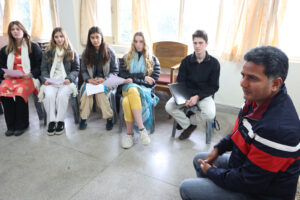
I asked Dr. Paul what he finds to be the most significant challenges to changing people’s perceptions about disability rights in India. In that moment, I saw his body language shift, as this was an issue he was clearly passionate about. He shared with us that there are significant challenges of religious and social stigma in rural communities, but the real problem lies within the educated, urban population of India that generally still holds unconscious biases against people with disabilities. This is because those biases are much harder to combat. CORD works to provide resources for physically and intellectually disabled people and their families (especially from poor, rural backgrounds) in a way that involves them in the decision making processes. At one point in his explanation, Dr. Paul asked, “why should people with disabilities be seen as the objects of pity and charity, instead of being seen as valuable contributors to society?” In alignment with this inquiry, he shared that CORD offers spaces for people with different disabilities to create their own enterprises through the arts and seek support from others with similar experiences. After he asked that question, I leaned forward more in my chair, because I could see that this problem really mattered to him, and not because he operated from a place of pity or ego, but because he had a great deal of empathy and believed that everyone has value and deserves to live their lives with purpose and dignity.

He also mentioned that for a long time the option to count yourself as a person with disabilities in the census was non-existent in India. However, CORD and other organizations have fought to represent a variety of disabled people in the Indian census, so that there is a wider availability of data about disabilities which creates a ripple effect of representation and the dismantling of outdated narratives.

Even in our society in the United States, where social justice and disability rights are garnering more attention, many of us that don’t have a disability still struggle to understand that our good-intentions and misplaced pity are not enough to change our ableist actions and thoughts. Language and information is powerful, therefore, we should not erase the struggle that disabled people face in spaces that are created with able-bodied people in mind by saying that they are “differently abled” or ignore the importance of collecting data about the diversity of disabilities and the amount of people that have them. 

To return to the reflections from our interview with MMS and Sri Ram Ashram alumna Soma Sharan, developing a more equitable future for everyone is not achieved through ego-driven, patronizing forms of philanthropy (economic or otherwise), it is achieved by lending our open ears and hearts to those who are impacted by the trauma of systemic oppression in order to find solutions that actually benefit us all. 

The Interconnection of Tibetan Culture and Buddhism

Rinchen Khando
Priyanka Bharghavan

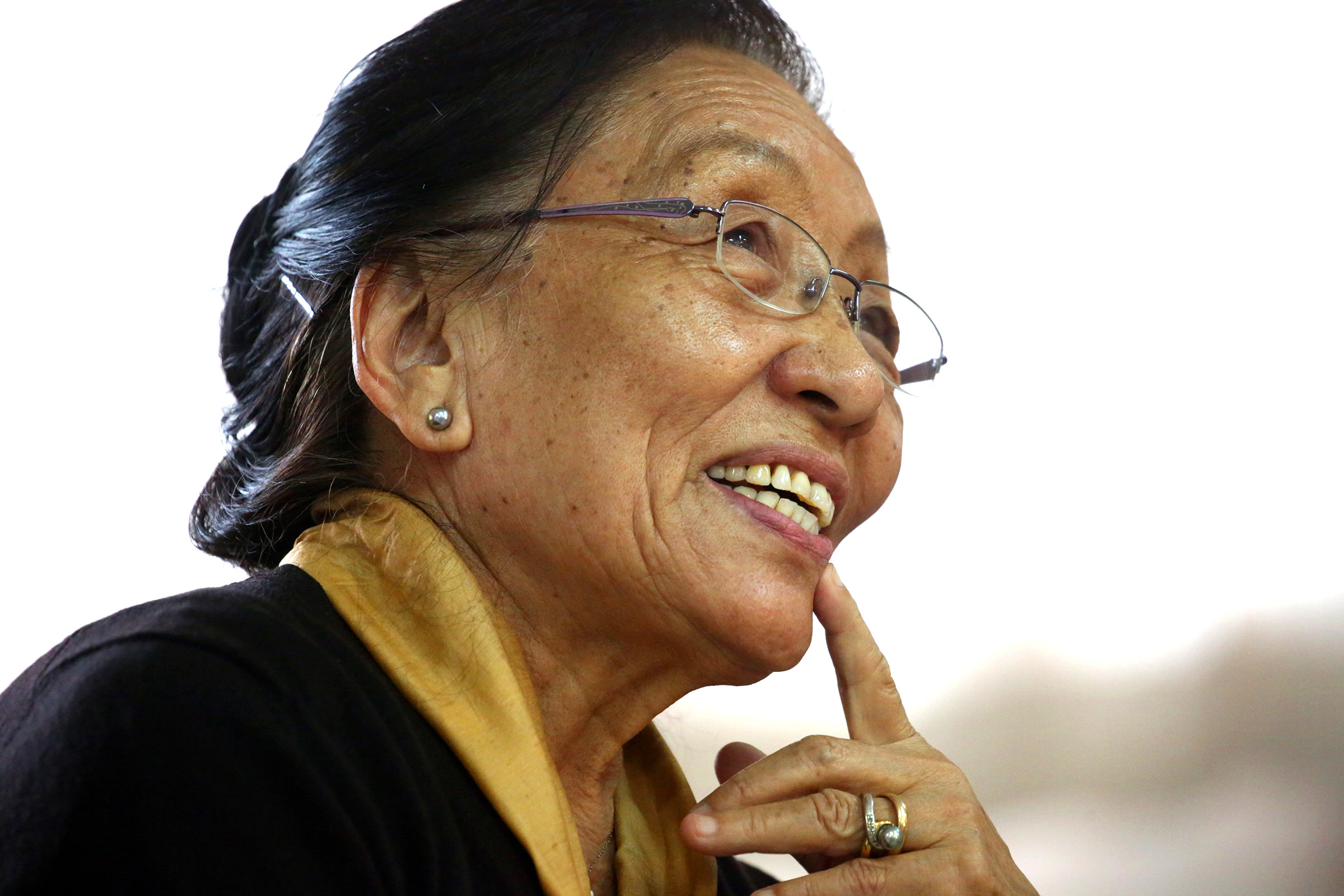
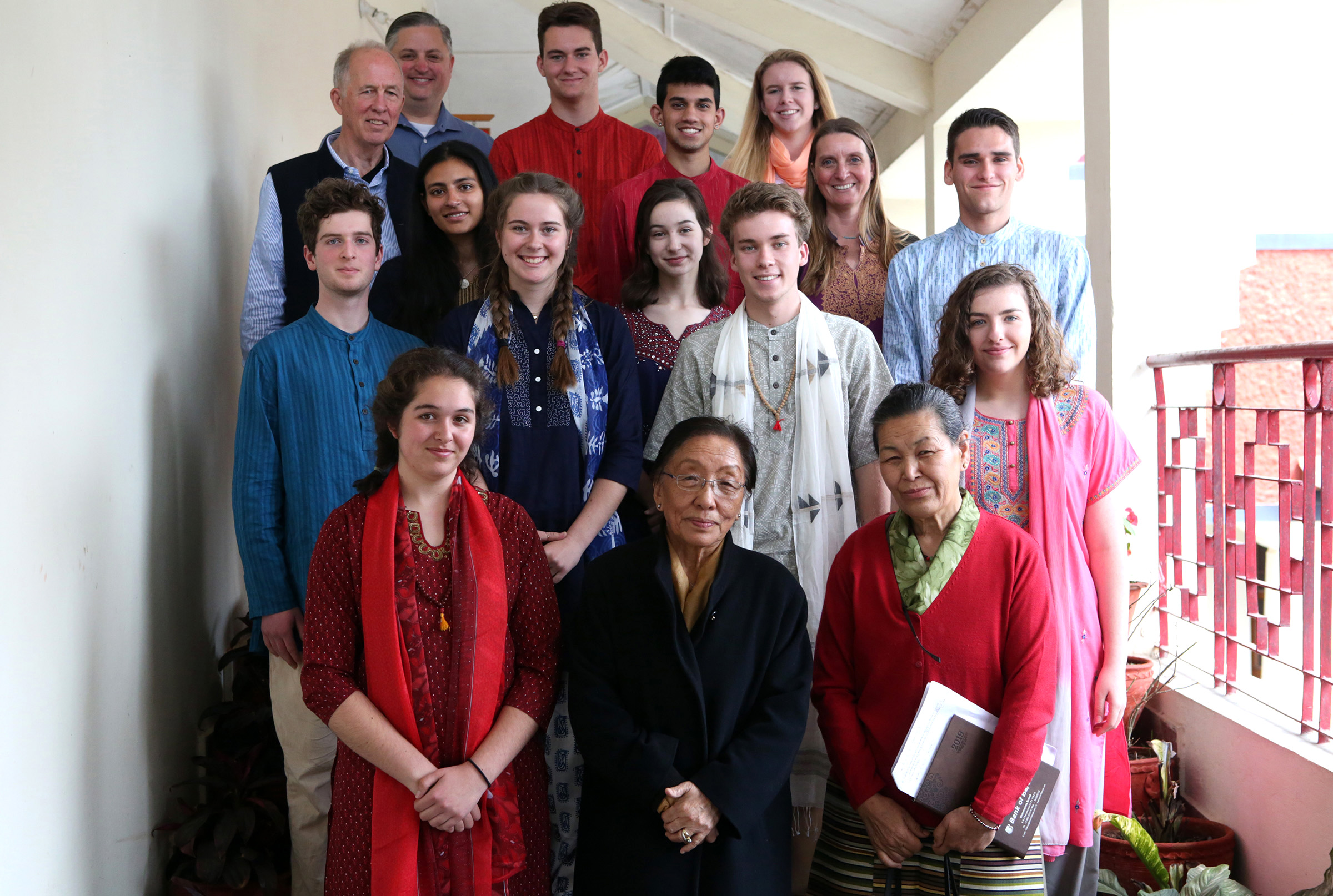
Today we went to the Dolma Ling Nunnery to interview Rinchen Khando, the founding director of the Tibetan Nuns Project. The Tibetan Nuns Project was created to promote the education of the Buddhist nuns, as well as provide them with a home and community in which to study. Rinchen Khando’s work has been the driving force in creating the nunnery and I was excited to be able to interview her.

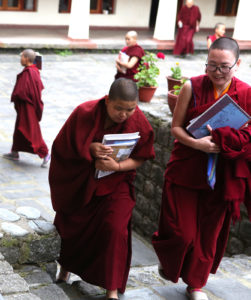
Upon entering the nunnery, we truly stepped into a different world. I was taken aback by the immense beauty of the gardens and the buildings, decorated with prayer flags, set against the magnificence of the snow-capped Himalayas. While touring the facility, we saw a whole new way of living. There are 240 nuns who live communally in the nunnery. The nuns all have different jobs, from cooking, to cleaning, to sewing, and work very hard to be completely self-sufficient. I loved walking through the retreat garden, where the nuns live in solitude for months at a time to better understand their consciousness. After the tour, we walked through hallways covered in flower pots to our room set up for the interview.

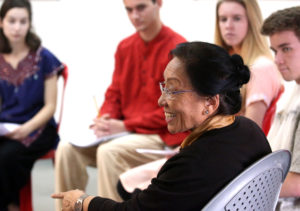
When Rinchen Khando entered the room, I was immediately calmed. She had the friendliest smile and spoke meticulously and thoughtfully. I was struck by her newest initiative, the creation of a center for laywomen to study Buddhist principles. She said that while the focus of the Tibetan Nuns Project has been to give the nuns opportunities to study Buddhism, it is imperative that all women learn the values that can positively shape future generations. I think it especially important in today’s climate that the principles Rinchen Khando seeks to promote—compassion, sincerity, and altruism—are integrated into everyday life. Through this process, we will be able to create real positive change.


Kaili Sullens

Today we interviewed Rinchen Khando. She walked into the room and I swear she brought with her such a lightness and positivity. We all knew she was special. Kindness and joy radiated off her as she answered our questions, along with intelligence she possessed. I was inspired by the work she has done, and is still doing, to help the nuns from Tibet.

The facility that we saw was inspiring and intricate; you could easily tell how much time and hard work went into it. Stone pathways weaved in between buildings, beautiful trees, and meadows. Each building contained different classrooms and work rooms. Nuns were hard at work in these rooms, sewing, cooking, and studying. Yet in this hard work they were still filled with joy and gratitude. It appeared as though they had truly found inner peace.

Our interview with Rinchen Khando has been my favorite interview to date because of the nature of her character and the advice she gave us. She shared many new concepts that really made me step back and think. For example, she said that we alone can remove our personal obstacles. That really resonated with me because I feel like I have internal struggles and I tend to look outward for help to fix them. Although I know I can always, and should always, reach out for support, I cannot rely on others to fix my problems, or in her words, remove my obstacles. This really opened my eyes and I hope to carry this with me.

Everything about India has been inspiring. Inspiring due to the beauty in the people I have met, and inspiring due to the destruction and poverty I have seen. One moment we meet wonderful people like Rinchen Khando and the next moment I see a woman begging for milk for her baby. Next, I am at a beautiful mosque, then I see starving and filthy dogs laying on the streets. Overall, this has been an amazing experience and I feel lucky to have this opportunity. However, the learning experience is also impacted by the hardships we have seen.


John Dias

Today, while walking through the magnificent courtyard of the Dolma Ling Nunnery, I was beginning to understand a bit about the stunning work that Rinchen Khando was doing. Our excitement for this interview had been building up quite a bit at this point. We had just finished preparing and practicing how we would recite our questions. We had no idea what to expect but we knew that she was one of the smartest, most inspiring, organized people we would ever meet (according to what our teacher Ward had told us).

I was starting to put the pieces together once we arrived at the nunnery. The view of the snow capped mountains was remarkable and the place had a special peaceful ambience to it. Walking through the hallway, I was immediately surprised by a group of 4 ten year old nuns who burst past Anika and me. They were laughing and smiling, and radiating a joyful aura that made both of us smile. This place was special. I knew that providing a place for the nuns to study, play, create art, and live a self sufficient life was near and dear to Rinchen Khando well before she even explained this to us. This incredible opportunity the nuns have to lead a simple, hardworking life, was strictly the product of Rinchen Khando’s great effort and powerful vision.  Before the interview even started, we knew we were in for something special. I knew I would interact with a woman who had put her feet to the floor and built something amazing.

Once we were in the room with her all of us were immediately connected to the knowledge she was sharing with us, and her sweet charismatic charm allowed for a seriously intimate and deeply conversation. She shared with us lessons related to sincerity and awareness, within the context of building a strong foundation for how we can most efficiently dedicate ourselves to providing our service to the greater community.

Rinchen Khando shared with us how Buddhist values and principles can help us better understand ourselves and the role we play within our global community. She stressed the importance of deep critical thinking and analysis of our own individual lives and choices. We talked about how reflection plays a very important role in understanding how we must grow as human beings to be the absolute best we can be. I loved these ideas because during this time in my life, I am feeling as if there are so many things that are rapidly changing. Understanding how slowing my mind and thoughts down can benefit me as I make major choices in my life, gives me the strength and confidence I need to make careful decisions about how I choose to live my life.

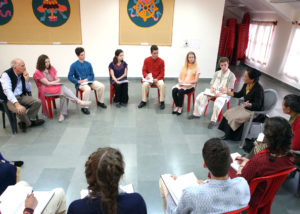
Her ideas opened my mind and heart to accept the idea that riches might not always come in the form of material wealth or fame. Instead, she provided an example of how selfless action and dedication can lead to a sincere happiness residing deep within the heart. Sitting in the circle she was able to share this invaluable information with us. She was able to honestly and openly pass forward awe inspiring knowledge, that transcended the barriers of culture and wealth. The fact that she was able to gift us such kind words and advice in such a beautiful institution, that she had helped to create, made the experience truly magical. Today she opened up her heart to us and helped us reflect deeply on what our individual responsibilities are, and how we can make the best use of the resources we have in order to make the world a better place.


Mara Peruzzi

Today, after our interview with Rinchen Khando, we had the privilege of taking a tour of Norbulingka. Norbulingka is an institution founded after the Tibetans were exiled to preserve their culture. When we walked through the opening gate, it was like we were transported into a different world; there was an abundance of greenery and a feast of vibrant colors, contrasting with the littered, crowded streets we are becoming accustomed to. Each aspect of the area clearly showed the careful attention dedicated to it. Even what is considered ugly was turned into something beautiful; a nasty gutter was transformed into a series of majestic dragon heads in colorful designs.

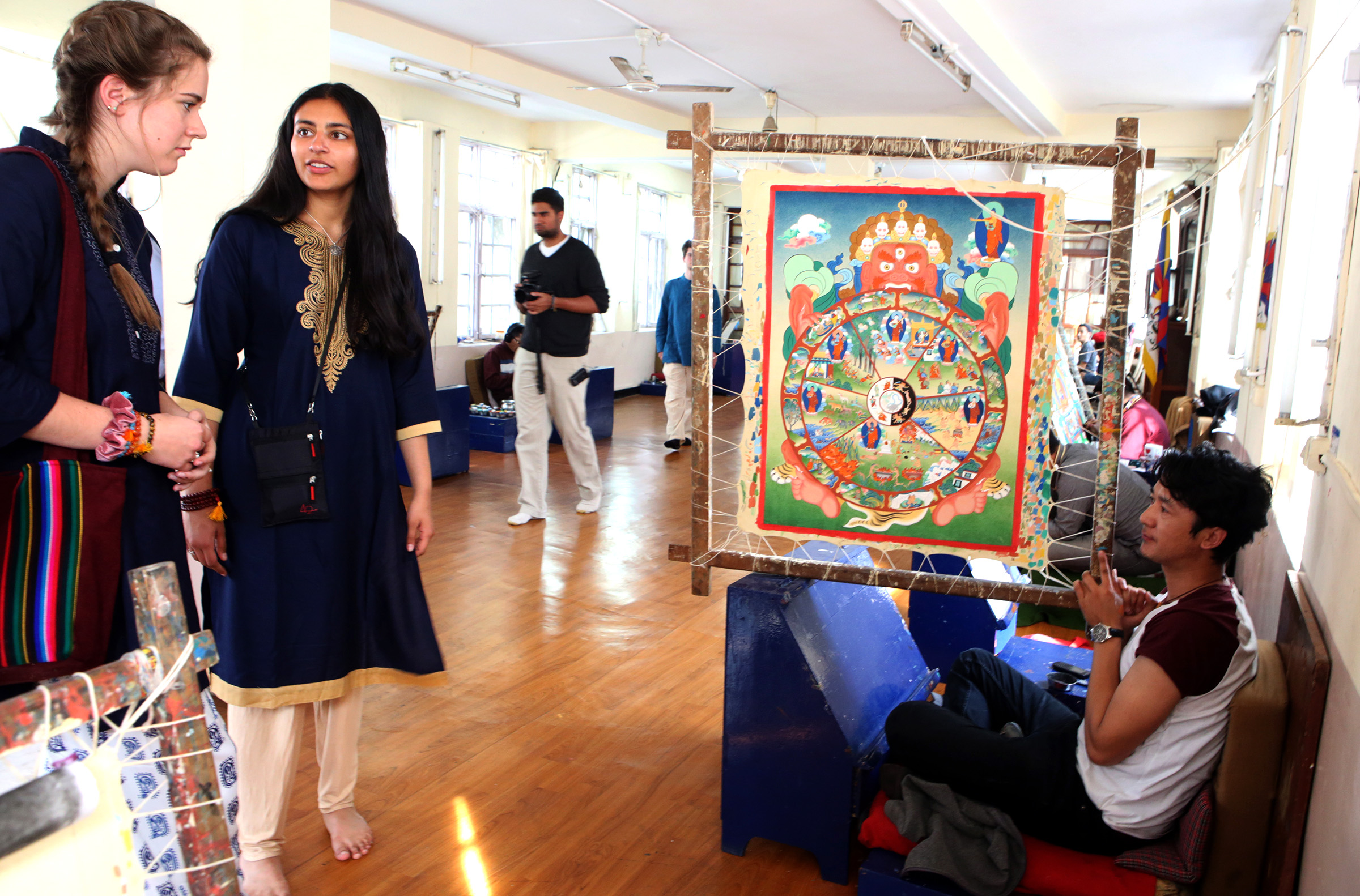
There were specific rooms dedicated to the unique art forms of Tibetan culture, including: paintings, sculptures made of various metals, and detailed fabric stitched tapestries, to name a few. My favorite part was being able to watch the artists in each room create their masterpieces in their natural areas. I was completely fascinated by a particular painting style called thangka, which depicts a Buddhist deity, scene, or mandala painted on cotton or silk. I was struck by the tiny details and use of color and negative space, and especially the use of gold to highlight certain aspects of the painting. The moment I saw the artists’ delicate paint brushes, natural paints being made with a mortar and pestle, tightly wound isles holding the fabric in place, all organized into a little personal station, I knew I wanted to try it myself. I could have spent hours examining one art piece, while appreciating all the time invested in making it the brilliant piece it is. It is amazing how much patience and talent goes into each individual stroke of the brush. I fell in love with the details and beauty these artists created, and it is amazing how the Tibetans have preserved their culture in such a beautiful way.

Know Yourself

Interview with Dr. Kshama Metre of the Chinmaya Organisation for Rural Development (CORD)

View the video of the interview here.

Aki’o Nanamura

Sometimes simplicity can be the most enlightening thing a person can offer. One might expect pieces of advice that are the most detailed, lengthy, and well-explained to be the greatest in terms of their impact and effectiveness, but this is not always the case. Dr. Kshama Metre made this perfectly clear. She has the mind of an intellectual and one might assume that it is constantly whirling with strategies for achieving equality, and ethical solutions for problems facing Indian women. While this may be the case, the way she externally conveys her thoughts is almost the exact opposite. Dr. Metre communicates many philosophical ideas in a stunningly simple and understandable manner. For example, when asked about the “journey within” and its importance she relayed a story about a little girl at an ashram who told her about “mind baths,” little five-minute periods in one’s day that you use to check in with yourself and see how you’re doing. She didn’t call them “introspective expeditions,” or “existential explorations,” just “mind baths.” Nothing more, nothing less. Normally when we ask for advice from the inspiring people we interview, we often get a wholesomely stirring response that’s about a minute long. When we asked Dr. Kshama Metre for advice she shared only two words but they spoke volumes about her profound understanding of the human spirit and its needs. Those two words were, “Know yourself.” Simple.


Izzy Thomas

The first question was asked, and Dr. Kshama Metre took a long time to think. Her mind swirled with ideas, and what came out was a concise, well-worded answer. Each question was answered with a humble and short reply after only a second of gathering her thoughts. I was a little surprised at how simple and confident she was in her responses, considering the complex ideas she was explaining. When asked what true equality meant to her, she answered simply, “Equality is not being greedy.” She acknowledged the dimensions of the term, but emphasized the three-word response. Another three-word response was about love; “love is expansive.” Her ability to describe these words, which have countless complexities, with such simplicity made her answers genuine and sincere. I haven’t met many people with the ability to answer our questions so thoughtfully yet concisely. Because of this, I felt drawn into everything she was saying. Dr. Metre has achieved extraordinary things in her life, and her humble demeanor was inspiring. To finish the interview, she gave us some advice for our lives going forward, another short answer that I know I will carry with me; “Know yourself. Once you know yourself, you will know everyone else.” In most interviews, the answer to the advice questions draws a long answer, but this was her entire response. It was simple, confident, and humble, perfectly reflecting her personality.


Caroline Smith

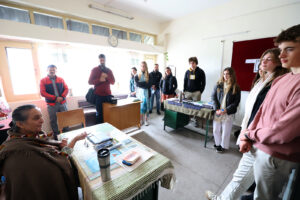
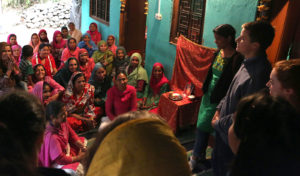
After our inspiring interview with Dr. Metre, we split into two groups and went into the villages to see some of the self-help groups we learned about at CORD (Chinmaya Organisation for Rural Development). Once we arrived in the village, we walked toward a group of about twenty women. They arranged a line of chairs for us and asked each of us to introduce ourselves, which we gladly did. We learned a lot about how the group functions, and how they help the women involved. Each woman pays a set amount of rupees to the group monthly. If someone gets sick or needs money for another reason, they can take a loan out from the group. This is helpful as it allows the women to have some level of economic independence from their husbands.

We were all surprised when they wanted us to sing them something. With half of our class, including our ukulele player, in another village, we weren’t sure how it was going to go. We ended up surprising ourselves by sounding pretty good. In response to our song, the group sang their own. Some of the women stood up and started dancing to the song as we clapped along. They took Izzy, Savannah and me, by the hand, put us in a circle and asked us to dance. We tried our best to do the dance moves they had been doing moments earlier, but their laughs and chuckles told us we weren’t quite doing them right.

Although I won’t remember that trip to the village for our stellar dance moves, I’m never going to forget how much fun we had and how connected I felt to the women.

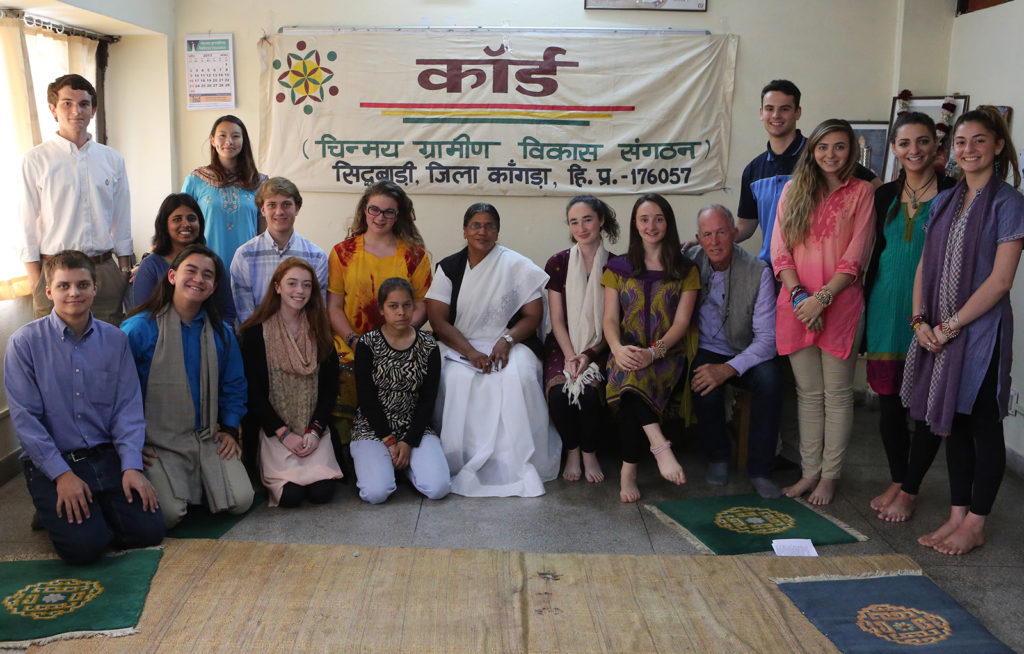
Mount Madonna School students with Dr. Kshama Metre


Treasures in the Market

Isaac Harris

Of all the amazing places we have visited during this trip, Dharamsala stands out as my personal favorite. Not only is the shopping sublime, but it also is host to a large portion of the Tibetan people in exile. Due to this demographic, much of the city has noticeable Buddhist influences, and serves to be an interesting contrast from the Hinduism that we have experienced so much.

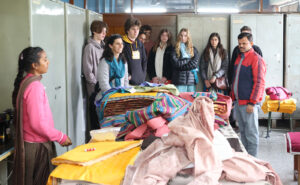
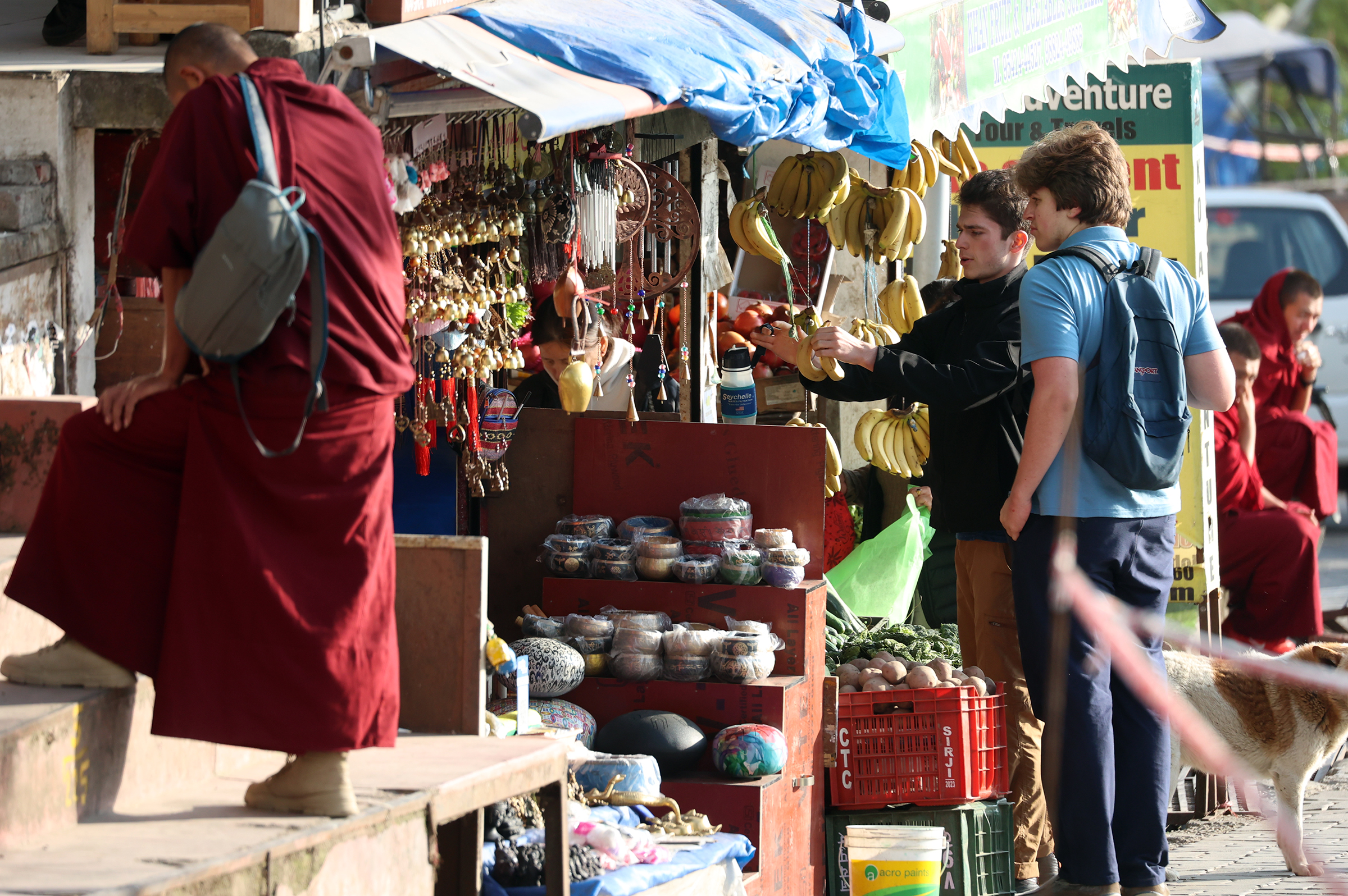
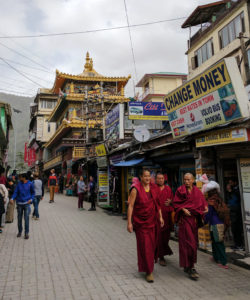
However, what stands out to me the most is the shopping. I have found a number of treasures in the market, including items such as Tibetan singing bowls, fur hats, and yak wool blankets. Most of the group’s money was spent while wandering these streets, and what continues to amaze me are the low prices, which have remained consistent throughout all of India. Every time I make a purchase, it is for just a fraction of what it can be sold for in the U.S. Now as we are beginning our return home, I must accept that back in the U.S. it is not the same, and the prices of items will inevitably be higher. India has been the shopper’s paradise, and I will miss it very much because of my affinity for shopping. Bargaining with the shopkeepers and finding the best deals was extremely enjoyable, and I had a great time exploring the streets of Dharamsala with my class.

Dharamsala