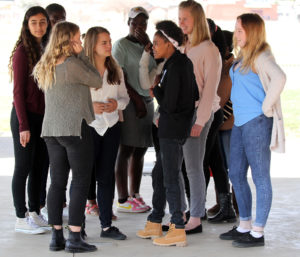
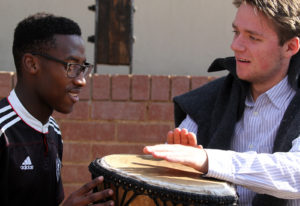
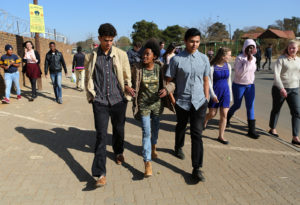
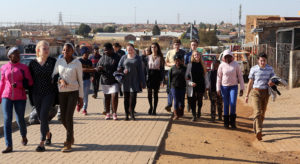
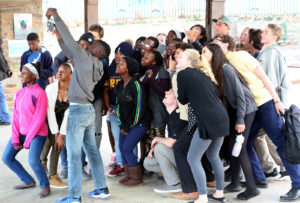
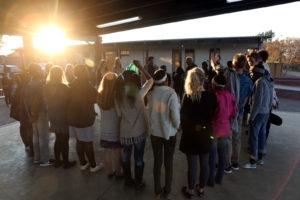
An overview video of the Ubunye project which was played at the Return assembly for our community.
Filmed by Devin Kumar.
An overview video of the Ubunye project which was played at the Return assembly for our community.
Filmed by Devin Kumar.
A few notes of thanks from each of us, for the people who helped make this project possible. And of course thank you to anyone not mentioned, as there are so many people who helped make the Ubunye Project incredible. We are currently on our way home to California after a wonderful learning journey. Each student will write a reflection on the trip, which we will post on the blog this summer.
A special thanks also to:
Nordic Naturals
Dr. Gallager
The Willis Parents
Grandma Kerr
Michelle Van Ooy
Jelli Beanz
Komala Correos
I am grateful for the Cloete family for creating Botshabelo and helping so many people. I am also grateful for the chaperones; SN, Shannon, Michelle, Shmuel, and Devin for making all this possible and making it a truly amazing trip.
-Cyrus Kamkar
I’m grateful for the opportunity to meet so many inspiring people like Peter Harris, the Cloete family, and Thulani Mbaso. I’m also thankful for the chance to have seen some of South Africa with my classmates.
-Emily Villareal
I’m grateful to Desmond Tutu, Thulani Mbaso and Pregs Govender for agreeing to speak with us despite their respective health difficulties, as well as for sharing their wisdom and experience with us.
-Lucas Caudill

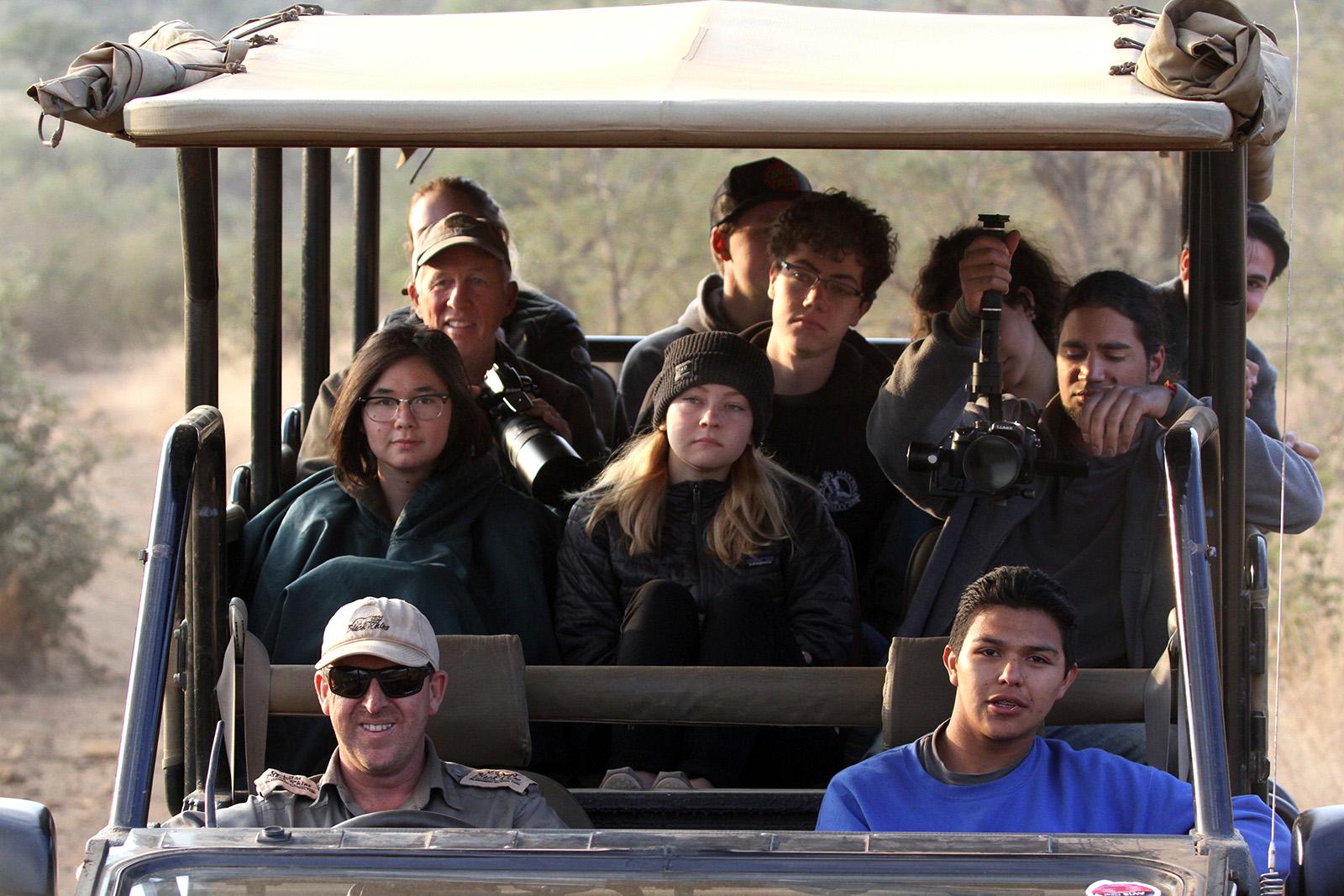
It’s funny how your willingness to do certain things changes depending on the circumstances. Normally, if I had to wake up at 5:30 am to darkness surrounding me I would be groggy and grumpy. But when I had the opportunity to go on a safari and see the beautiful animals of South Africa, you can be sure I sprang out of my bed and got on my warmest clothes. It wasn’t just me who was ready to see the wonderful sights on the early morning excursion. I woke up to the sound of the outdoor showering running and Carl’s pristine voice singing an early morning tune. While Cyrus and I quietly got dressed in the front room, we both looked around at the lovely room we were staying in at the Black Rhino Lodge and he turned to me and said, “This is all sick dude,” with a big grin on his face. After we were all ready to leave, we headed out to the lounge where we met the rest of the group at 6:00 am. We were served coffee and tea before we headed out.
After the ten of us piled into the jeep, the people in the back immediately distributed the fleece lined ponchos, knowing the bitter wind would nip at our faces once we started our long, yet enjoyable, trek. The first animal we saw was the impala. Our guide, Daryl referred to them as the, “McDonalds of the bush.” Even though they’re so abundant in South Africa, every time I see one it still amazes my foreign eyes. They have a glistening coat and long ribbed antlers that twist upward like they’re grasping for the sky.
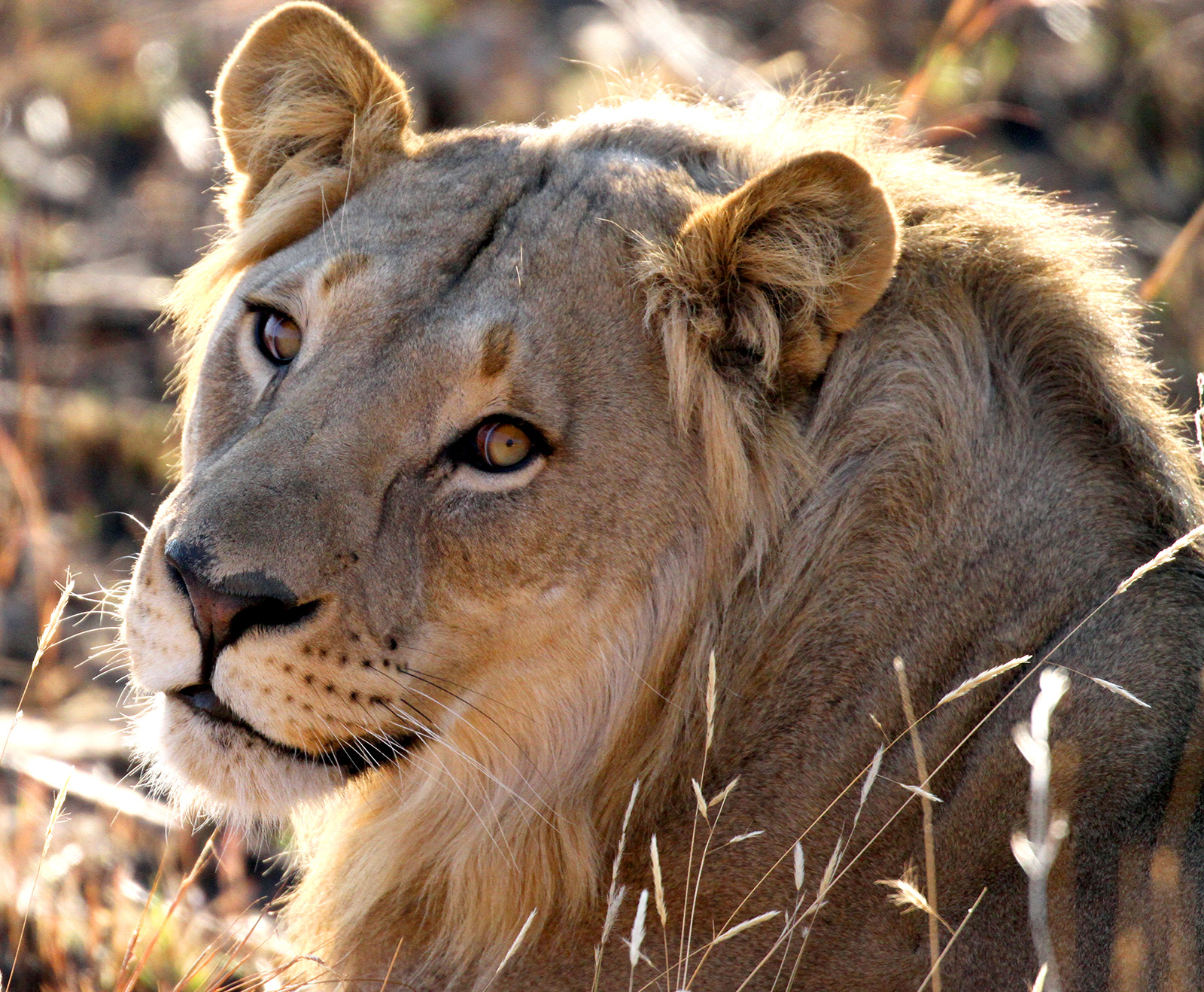
On this early morning safari ride we saw three of the “Big Five.” The “Big Five” include: elephants, lions, leopards, rhinos, and water buffalo. The first of the “Big Five” that we saw was a rhino, specifically a white rhino. We spotted this docile, peaceful creature grazing with its calf. She paid us no mind as we stopped 30 feet to the right of her and talked in hushed voices, marveling at the stout yet powerful beauty of her and her baby. The second animal of the “Big Five” that we saw was the elephant. I never thought I would see so much beauty in something that was so big, grey, and wrinkly. But to me no animal can compare to the massive magnificence of the elephant. I’ve seen elephants in zoos before but something about being so close to one and looking in its eyes made me see the quiet intellect yet brute strength that the elephant holds within it. We saw it pick up small bushels of shrubbery and strip them clean of the bark, their favorite snack. The third animal we saw was the lion. The lions we saw though were on top of a bunch of rocks and camouflaged by their surroundings. Our patient tour guide, Daryl, had to tell us step by step how to see them at least ten times because he could see our untrained eyes straining to identify where he was pointing. It was now that I regretted not bringing binoculars with me. Eventually, we were all able to spot not one but two females and one male that was lying in the sun on top of the rocks.
We also saw plenty of vibrant birds along the way and all had an amazing time. Overall, the elephant was my favorite animal and I’m exceedingly grateful I could see one so close and personal. We arrived and had breakfast waiting for us, quite the way to start a day.

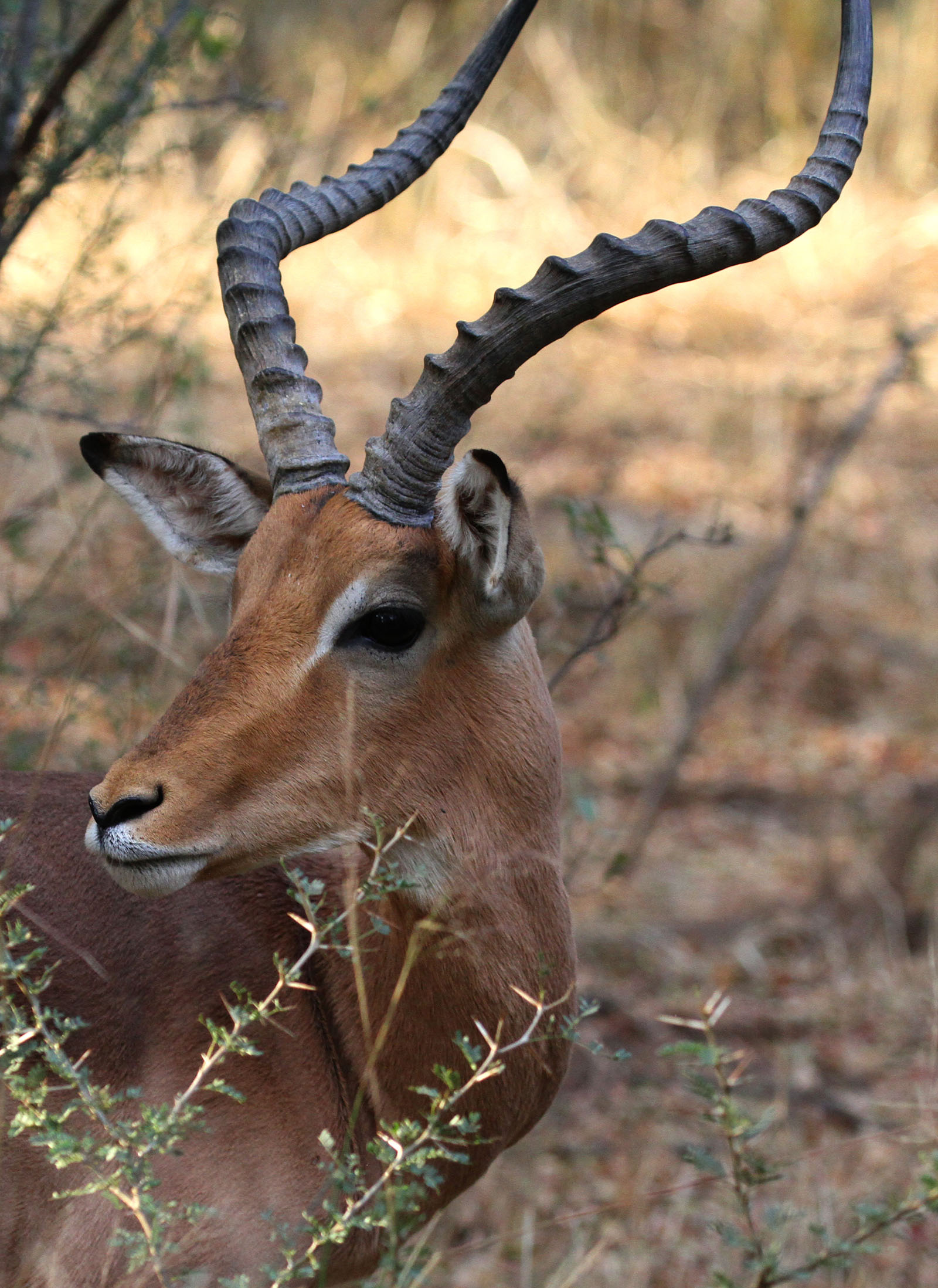
We climbed aboard vehicles that closely resembled those from the Indiana Jones ride in Disneyland. So, I was excited. Only a little way into our journey we heard there was a sighting of a pangolin. Pangolins are basically scaly armadillos and they’re very rare because of the poaching that occurs in South Africa. When we arrived, there wasn’t a whole lot to see because it was flat to the ground and blending in, but moving closer you could see the scales and plates that formed the animal. It was a lucky first outing.
As the sun sank forming a rich orange background we also saw rhinos, wildebeasts, and impalas. Our guide was informative and elaborated on the necessary difference between black and white rhinos, one difference being that black rhinos are more likely to charge at you. Driving right alongside these huge rhinos our guide told us the disturbing fact that an average of four rhinos are killed every day for their horns. It’s sad that I’m seeing some of the few rhinos left. That’s why preservations like these are so important. South Africa has so much natural beauty, and I’ve only seen a small amount of it. Much of this trip has taught me how different it is to experience things for yourself than to be told about them or shown pictures. It was amazing to see these animals with my own eyes and not in The Lion King. I know that even the pictures I take home will never compare to viewing these beautiful animals in real life.

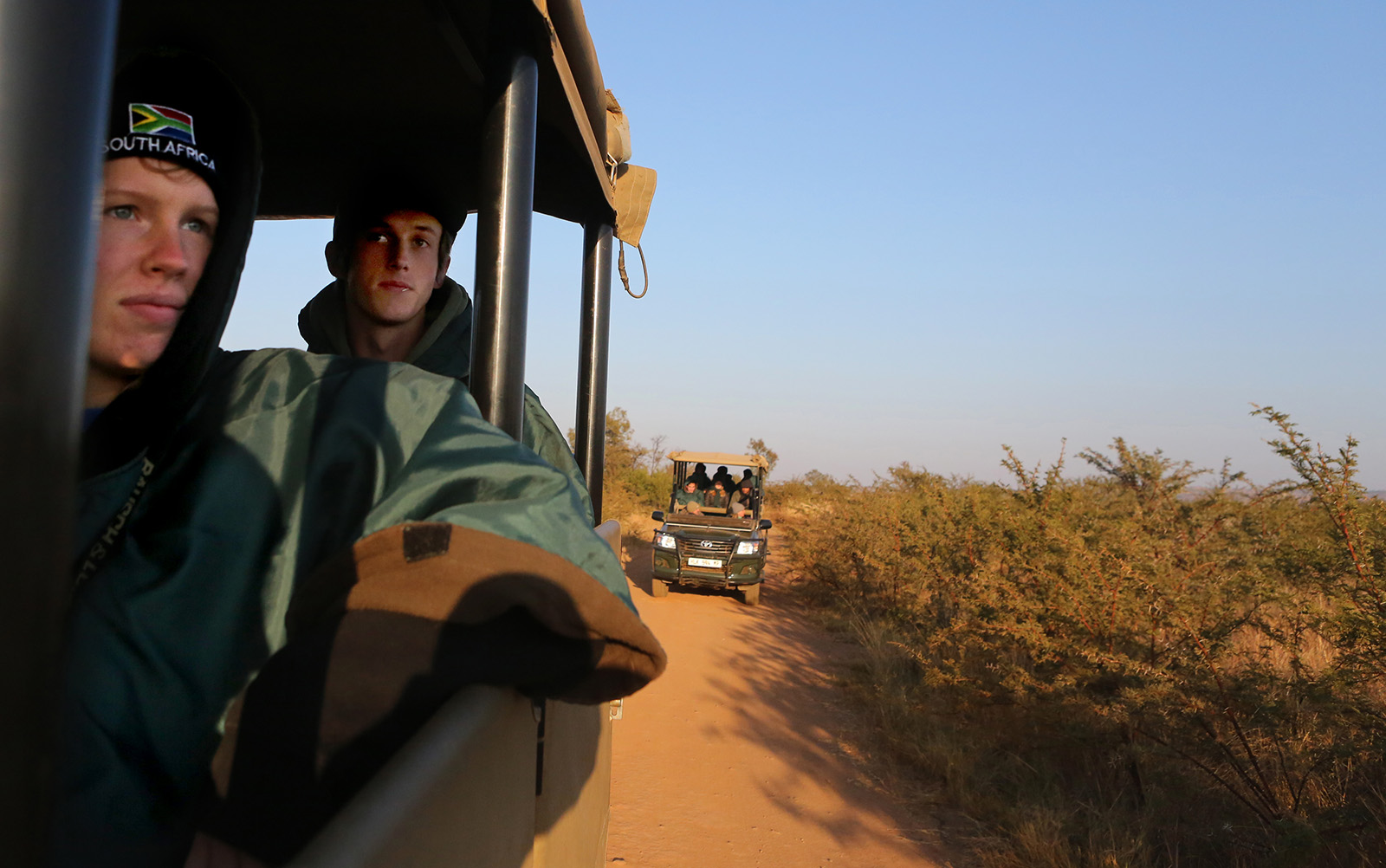
I like nature, probably more than the average person. When I get bored, instead of laying around or watching mindless TV, I’ll watch nature documentaries, with genuine interest. Seeing the animals in their natural habitat, hunting or exploring the ecosystem, can absolutely entrance me. Before I heard about the South Africa trip, I thought I would be stuck with the wildlife of costal California. Now, I can tell you from my own experience that seeing a lion, a cheetah, or even having a standoff with an elephant, will change your perspective on wildlife around the world. Waking up at 5:30 in the morning, getting in a 10-person jeep, and driving through blistering cold air at a speed known as “Ferrari safari” to see giraffes, is 100% worth it. These are animals that barely anyone can say they’ve seen in person. On television, you don’t get the real scale of these animals, the raw power an elephant uses to push over a good-sized tree. Then using its massive trunk, eat branches with the sharpest spikes like it’s mashed potatoes.
Some days, it would be bland, in comparison to the other safaris. You would see a wildebeest far off in a field, or one zebra on the side of a hill. Then, there would be the days where you would see a male rhino try and take on a female rhino and its kid, drive farther in the reserve, see three lions lounging around not ten meters from the jeep and on the way back see 15 mongooses bound across the road in a small herd. No matter what we saw on the safari, it would still be fun because I would get to hang out with my classmates and our Afrikaans jeep driver named Marcus. He could teach us something new about almost every animal and plant we came across. Whether it was showing us which plant could clear up congestion or debunking National Geographic, his knowledge of the world was always useful. I never thought I would be able to see these animals past my TV screen, but now I have memories that I won’t forget for my entire life. This was the perfect way to end the trip.
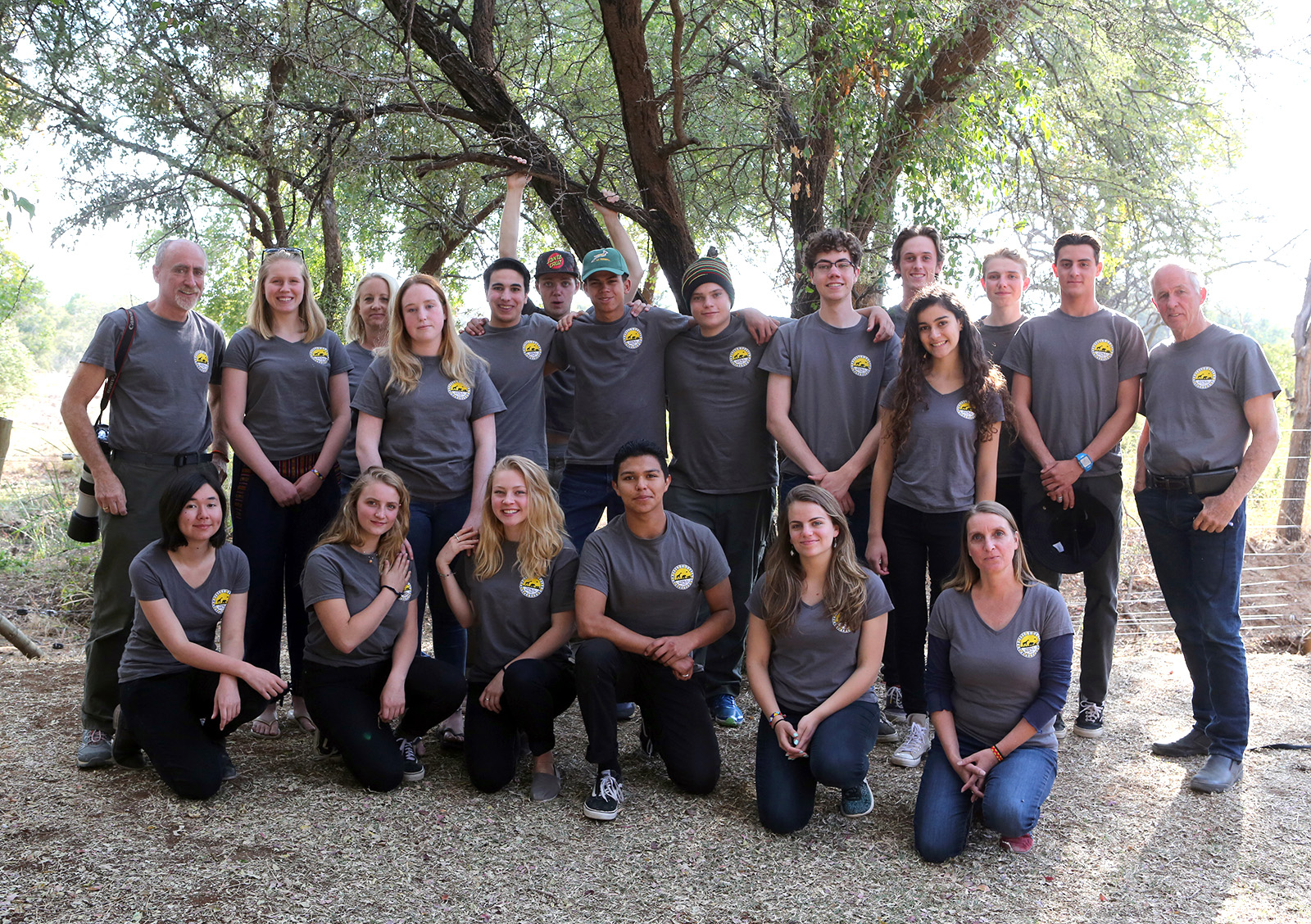

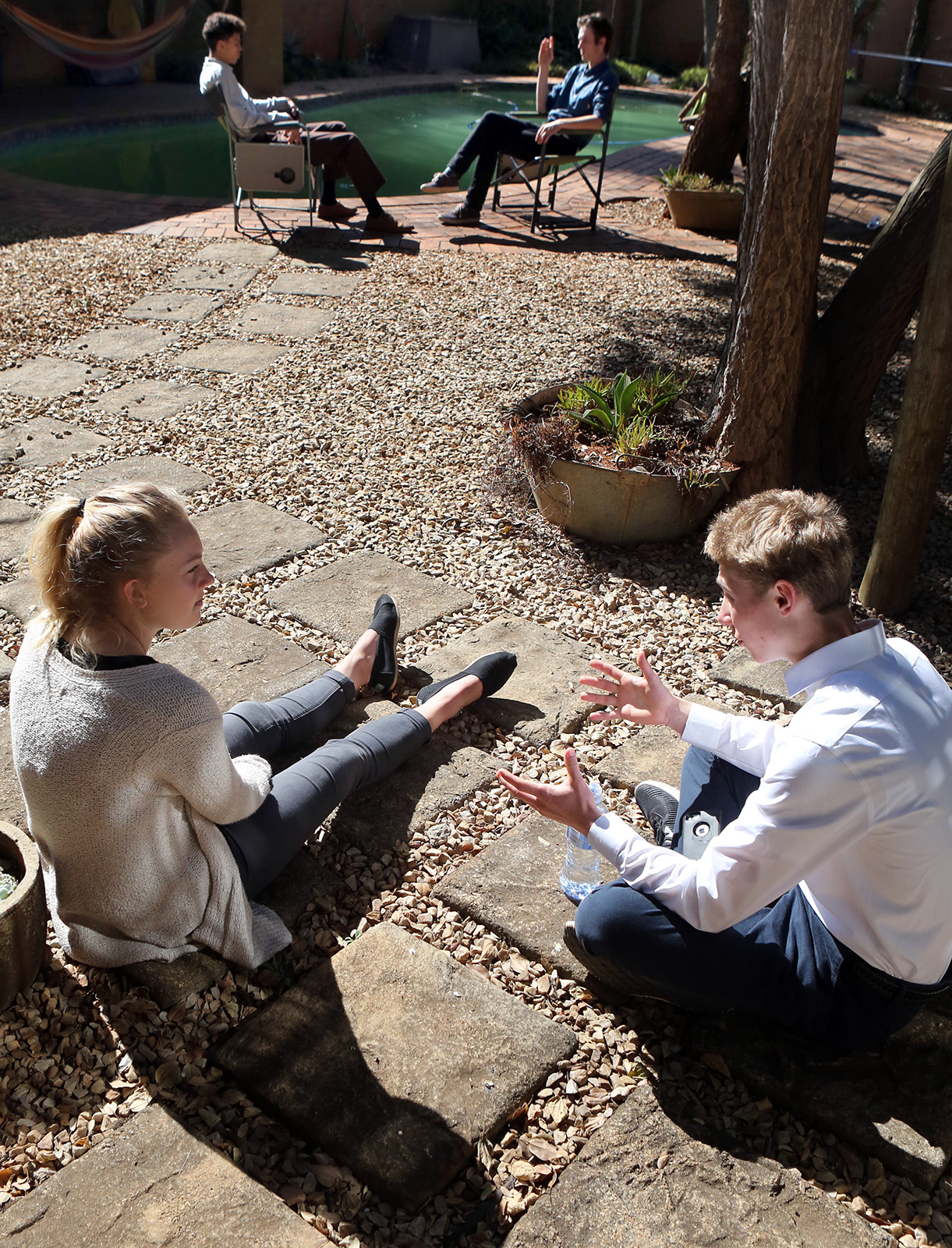
On the day before safari we visited the home of Chene Swart, a friend of Ward’s, who is a facilitator that specializes in “narrative therapy.” Narrative therapy is the process of re-evaluating one’s story, the life experiences that we generate, and deciding if it is still useful. If not, you can always change your story through reflection. Before lunch, Chene asked us five questions pertaining to our trip. Each question built off our previous answers. We were asked to choose someone to be our partner that we had not had extensive conversations with during the trip. I was partners with Phoebe, and we sat outside in the courtyard and went through the questions.
One of the biggest things that struck me about our conversation was the similarities in the things we had noticed. Another interesting aspect of conversing with someone I shared an experience with was seeing the differences between what they learned and what I learned. Through my conversation with Phoebe, I found validation for my own experiences. The whole conversation process kick-started my reflection process far earlier than when I usually begin to reflect on an experience and I can feel an increase in my awareness. Since the trip is chaotic, and one thing leads directly into the next, it can be difficult at times to distinguish individual experiences from the tangled mental mass of memories. Taking the time to reflect and talk about our trip really helped to separate the experiences, and capture what was truly significant. I will definitely apply aspects of this process to the reflection processes later in my life.
A video of our day at the Botshabelo Children’s Village.
Filmed by Devin Kumar.
Click a photo to enter slideshow mode!
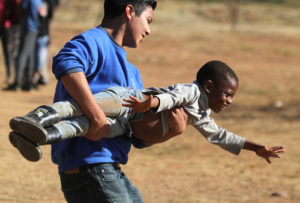
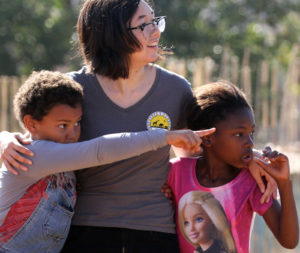
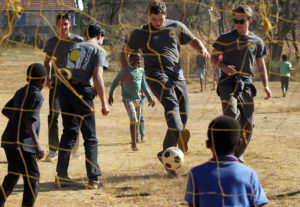
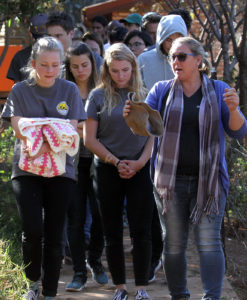

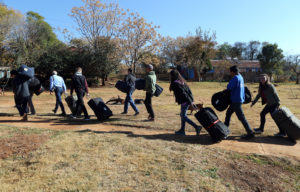
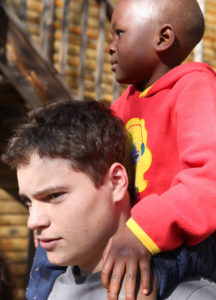
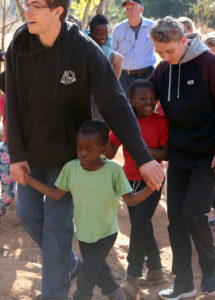
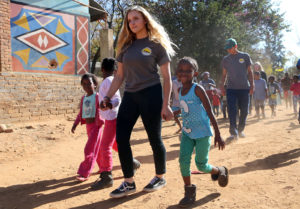
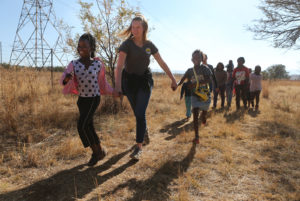
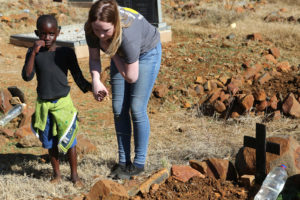
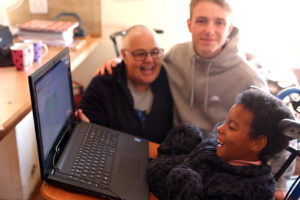
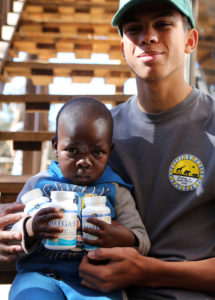
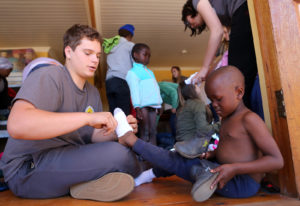
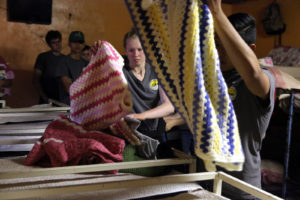
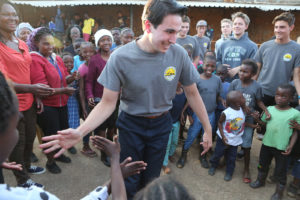
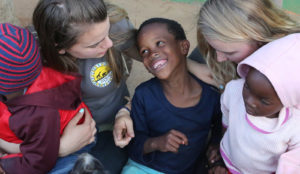
Photos by Shmuel Thaler.
Filmed by Devin Kumar.
By Mount Madonna School alumni Emma Petersen and Courtney Bess

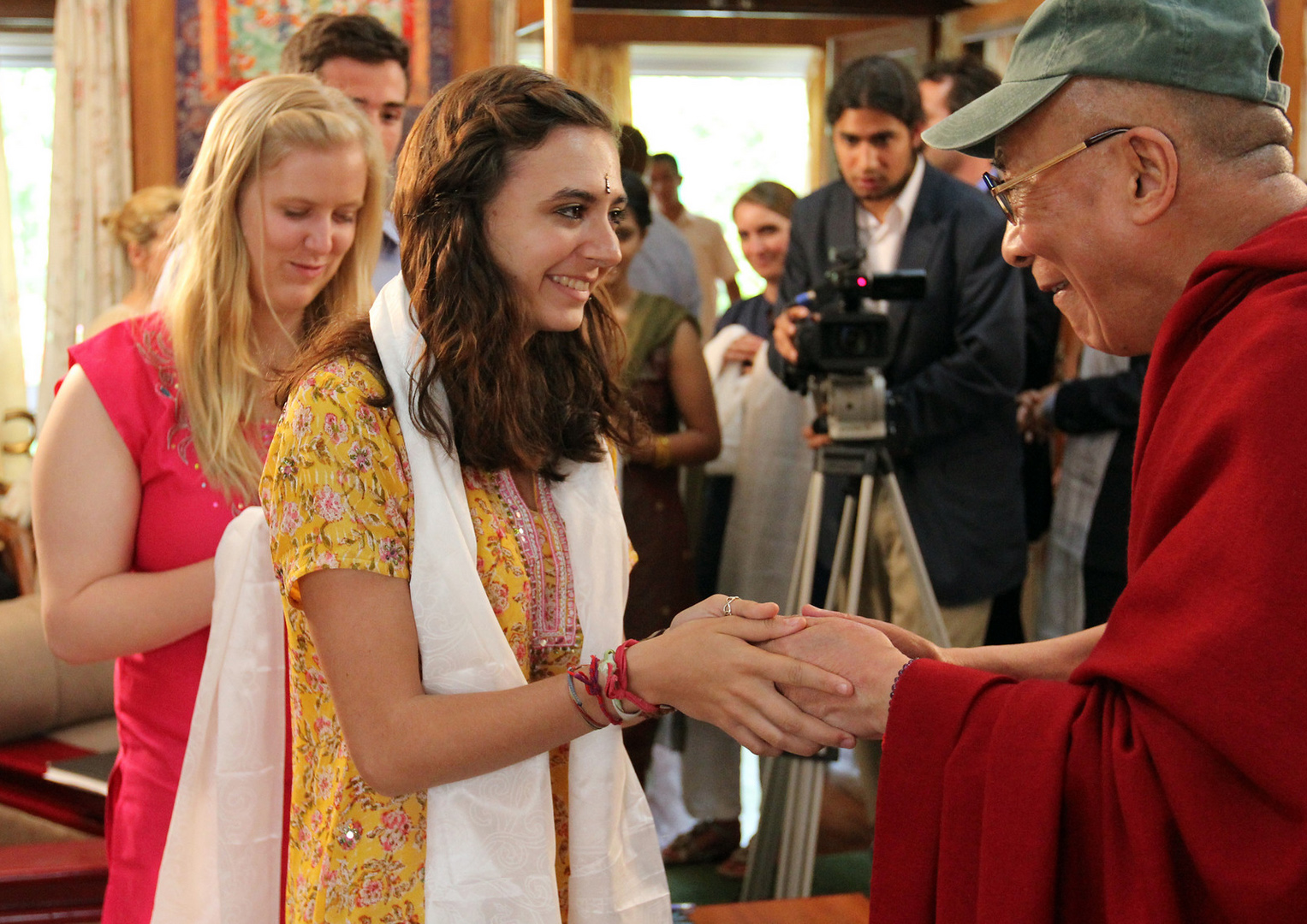
Flashback to April 2011, I had never been out of the United States and I was preparing for a trip I knew could change my life but still was not sure how I was going to absorb the experience. I didn’t dive right in. I stayed to myself and my friends for the first few days of the trip. I stuck to what I knew. But then, when we started going to schools, hearing about how students in this country learned, and were given the chance to speak with them about it, I started making friends and connections I never thought I could. I was making friendships with people that grew up completely differently than I had, in school and home life, yet we still had a lot in common.
It took me until my second year of college to fully understand the opportunity I was given by Sadanand and Mount Madonna School. I started taking classes that I was able to relate my trip to, things I had heard and the things that had changed me. I remember specifically talking to His Holiness, the Dalai Lama, I asked him, “What to you is happiness?” I remember, I was a sophomore in college at the time, I was dealing with some personal anguish about what major I wanted, and if I wanted to change from a psychology to a teaching major. I was struggling because I was afraid to disappoint my parents. When I called them to tell them what I was thinking they were overjoyed, and my mother told me she knew that was the path I was always meant to go down, and that she just wanted me to do what made me happy. I thought back to the Dalai Lama interview and what he said, “You know when you pet a dog and he wags his tail, that is happiness.” How can someone so wise give us such a simple, modest answer, I had thought at the time when he answered it, but hearing my mom say those words to me, it was that simple. Why trouble myself doing something I did not like? I should be wagging my tail because I am being fed with the knowledge of how to grow young minds.
Fast forward to April 2017, I am now preparing for the journey home. I traveled back to India with the Senior Class of 2017 and a fellow alumni, Courtney Bess. I had always dreamed of coming back, older and able to understand the experience more. I told myself the day I got on that bus leaving the Sri Ram Ashram in 2011, while Kiran held my hand all the way to the gate, I would be coming back again. I never could have imagined it would be like this, a chaperone to a class I greatly respected.
This trip has deepened my senses for my emotion, everything from the interviews to the connections I have made with the children we have met along the way. I found myself in the interviews truly absorbing what the people were saying, not just thinking I need to take notes in case I am asked to write a blog post, but truly understanding and getting goosebumps because I was able to relate to them. Rinchen Khando spoke about compassion and how it overflows with students that are excited to learn. I feel that every day with my students. They are so eager to learn new things and are appreciative when I teach them something new. It is refreshing. Dr. Metre spoke about allowing differences in the villages and how their goal is not to make all the villages the same, but to keep their traditions and help support the women be able to stand on their own financially. I was able to relate to that because I teach a class that is predominantly Hispanic, and even though I am teaching them English, I strongly encourage their families to continue speaking Spanish to them. It is important for the children to keep their traditions at home and be able to speak freely about them at school and know they are supported. Both Rinchen Khando and Dr. Metre spoke to me and made me feel more proud than I normally do about the work I am doing.
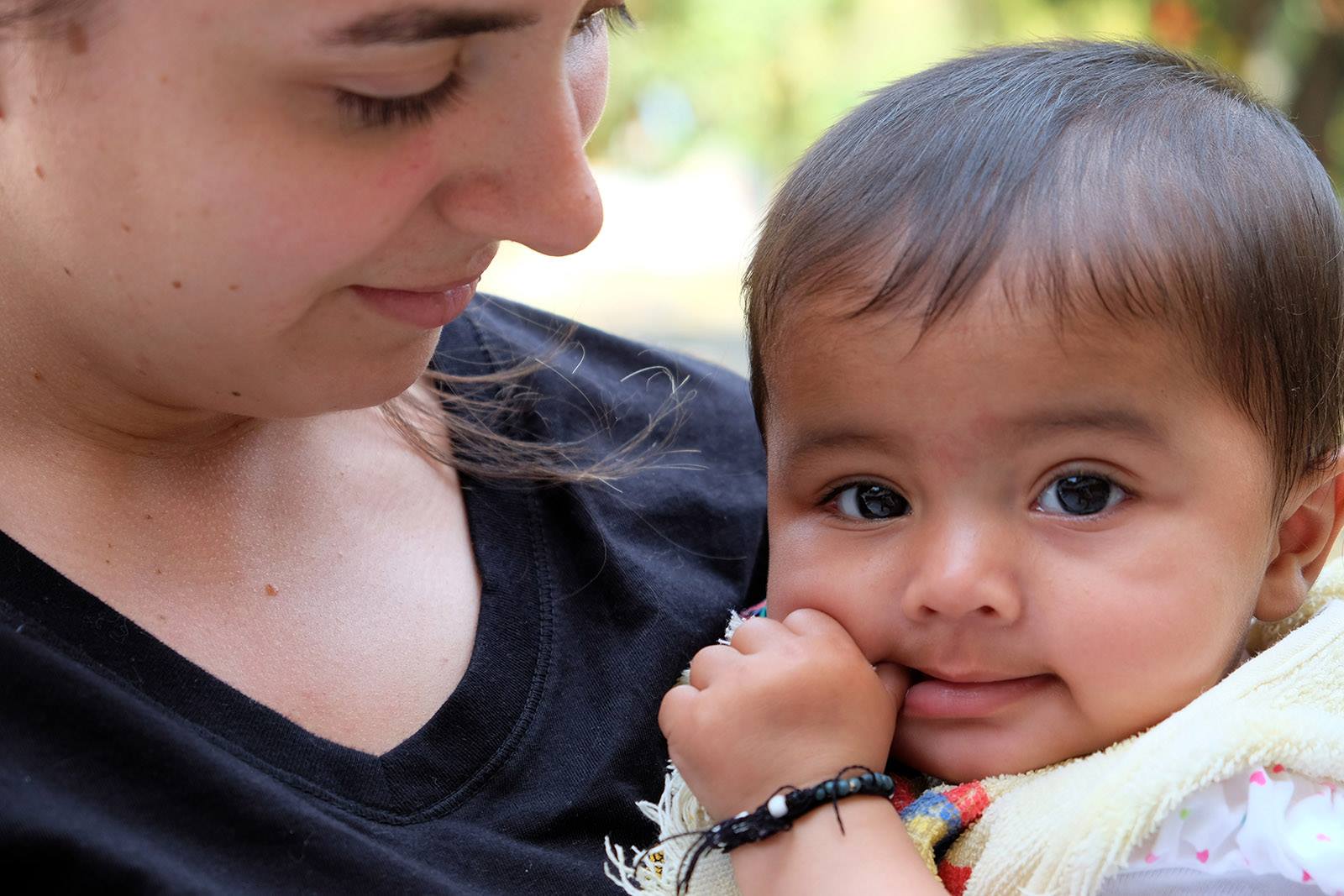
Lastly, driving into the gates of the ashram once again, I immediately began crying, it felt as though I was home. It had been six years since I had last been there. I didn’t imagine that the children I had bonded with before would remember me, specifically Kiran, 9 at the time and now 15, and Jhanvi, 6 months at the time and now 5. As we unloaded the buses, Kiran greeted me, she shook my hand and introduced herself to me, I told her we had met before 6 years ago. She scurried off to her room and when she reappeared she had the picture Devin captured of us saying goodbye on that day in 2011. She remembered me! Jhanvi on the other hand, I knew wouldn’t remember me, but it was like she was drawn to me. We continued our relationship and it was as if I never left. As we said our goodbyes and I loaded back into the bus, I reflected back on how this trip is not only a continuation from my last trip, but has increased my appreciation for this bright, colorful, energetic, inviting country. India has given me a second home, I knew I was meant to come back and visit, and I know now that it is forever a place I will return. It has given me memories that I will never forget and ones I wish to expand upon in the near future. Namaste.
Khushi…the Hindi word for happiness. While I expected this learning journey to be influential and expose me to unique opportunities, I did not anticipate that it would result in a personal redefinition of the word happiness.
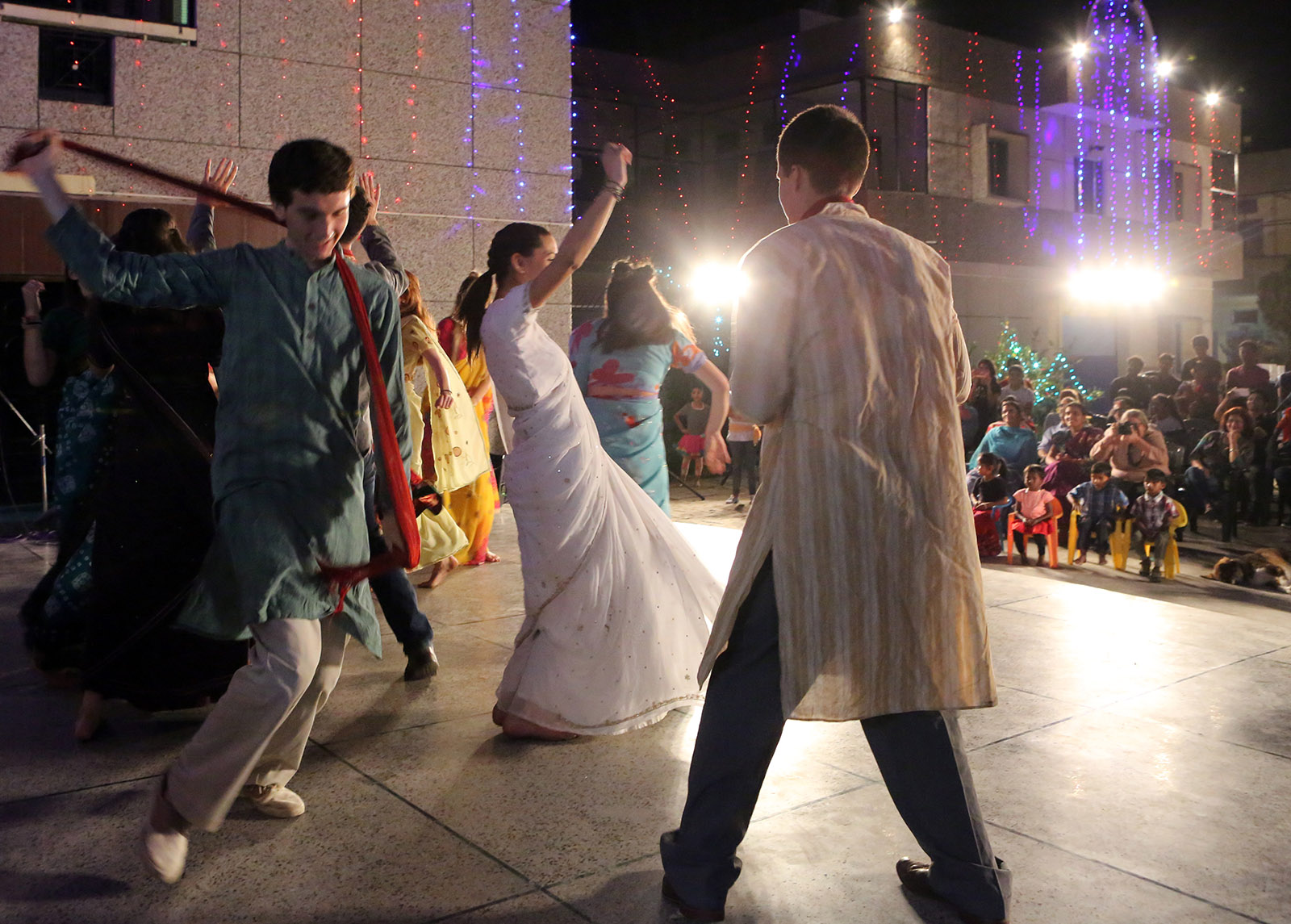
The night I watched the series of performances put on by the kids at the Sri Ram Ashram, I felt tears welling in my eyes. It wasn’t the typical reaction one might expect from someone watching an upbeat dance carried out by adorable, smiling faces. My emotions were stirred by what was physically happening on stage, but they were intensified even more by the ease with which the kids seemed to exude authentic happiness. In this pivotal moment, I felt a mixture of envy, admiration, and wonderment.
This expression of genuine happiness proved to be a common thread amongst the many individuals and groups of people with whom I interacted during my time in India. Since finding myself consistently surrounded by such sincere contentment, I have been making a conscious effort to examine the similarities across these groups in an attempt to discern a formula for happiness that I can carry with me for the rest of my life.
At Pardada Pardadi Educational Society, the students demonstrated a passion and appreciation for education that was absolutely inspiring. These students all come from homes with an income that places them below the poverty line. They have reasonable hope that a quality education will lead to a better life for them and their families. I could see that this opportunity to receive an education brought them all such joy, as they eagerly told us about their studies and showed us around their school with energetic grins and radiant pride.
The Sri Ram Ashram is a place where children who are not fortunate enough to have come from loving homes are given the chance to be a part of a safe and loving family. At the ashram, children may not have a profusion of material items, but they are allowed an opportunity for a better life. They are showered with more love and support than can be put into words. In spite of the adverse circumstances in which these children were born, they are now thriving as part of one big devoted family.
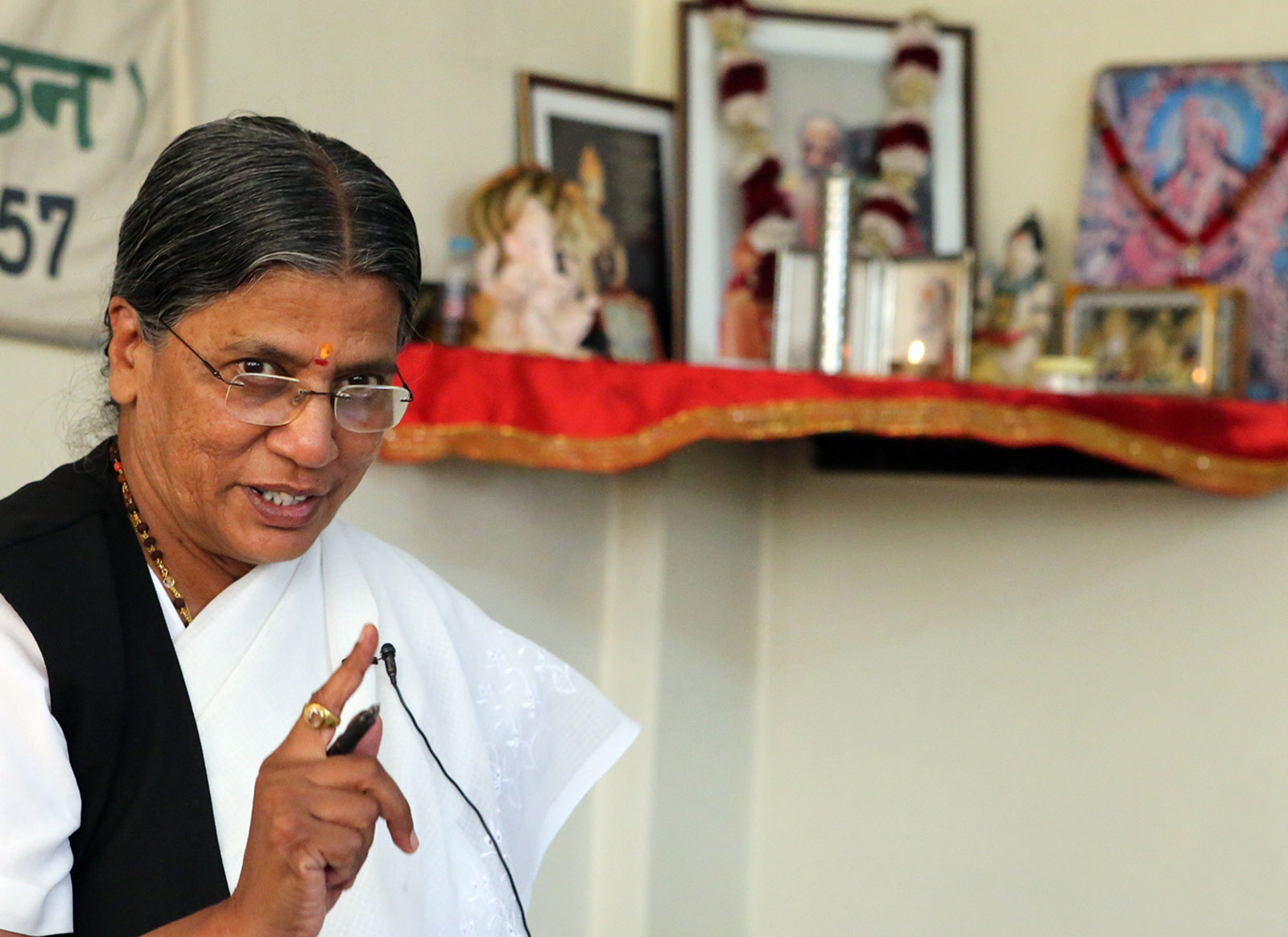
When we spoke to Dr. Metre at CORD (Chinmaya Organisation for Rural Development) another source of happiness was brought to my attention. At CORD, women are given the tools and education necessary to allow them to minimize their over-dependency on their husbands. This functions to build the self-esteem and confidence in women in hundreds of surrounding villages. Those who have been helped in this way by CORD programs are now living freer and happier lives than they had been previously.
Genuine happiness is something that has always been tough for me to find, despite my relatively privileged upbringing. It was something that was palpable amongst the inspiring people I have engaged with over the past two weeks here in India—people who are not nearly as fortunate in regards to their life circumstances. In what I witnessed at Pardada Pardadi, Sri Ram Ashram, and CORD, I recognized that material wealth is not the sole measurement of one’s happiness. I realized that some of the key ingredients to a life of happiness are education, love, support, and opportunity.
Before I make it sound like my life lacks education, love, support, and opportunity, I want to clearly state that I have all of those things. The difference is that I have yet to understand how to use these tools to build myself a life of happiness. Dr. Metre shared with us a story that referenced a “mind bath.” Essentially, a mind bath is the creation of mental silence to ignite mindfulness and obtain clarity in one’s thinking. Using this idea, I have decided that I am in need of a mind bath. I need to combine the resources with which I’ve been blessed with my redefinition of happiness. If I do this, I can construct a life filled with the kind of joy I saw in the eyes, smiles, and souls of the kids at Sri Ram Ashram as they performed for us that night.

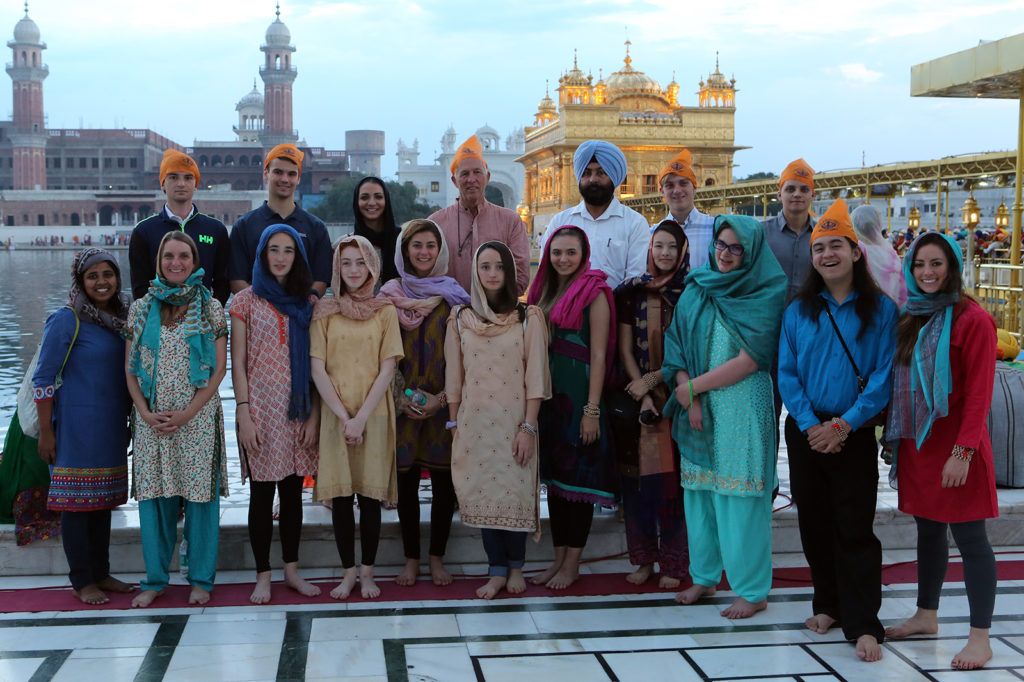
As I approached the Golden Temple I could feel the reverence of those who strolled past me. Everyone moved with a purpose that showed how excited they were to be in this holy place. I walked over the steps that led to the grand courtyard. In the center of the courtyard sits a gigantic pool that contains a temple covered in gold. Hundreds of people stood on the bridge that reached across the rippling water. They waited patiently for their turn to walk inside and pray in the shimmering and ornate building. Slowly, as we circumnavigated the massive pool, the now rising sun cast its orange glow above the wall of the compound. We took a moment to sit and listen to the soothing prayers that were being sung. Their beautiful melody gave life to the temple.
I sat, feeling the presence of the thousands of people who filled the courtyard. I gazed across the water, taking in the stillness of the place despite the movement of people. I stood to pose with our group for a few more photos then felt myself float out of the peacefulness that I felt moments before. We crossed the threshold of the compound back out into the open world. I felt the busyness hit me like a wall. It’s incredible that in just a matter of moments you can be transported between two completely different worlds. I’ve learned that in India three steps can be the difference between grace and chaos.

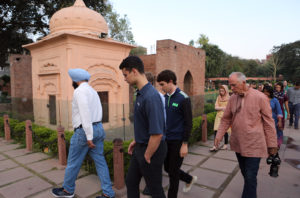
I reached my arms and saw that there was only a few inches keeping my fingers from sliding against the orange cement walls. These walls were the only way to enter and exit the courtyard of Jallianwalla Bagh, the historical site where a peaceful protest inspired by Gandhi ended in a massacre of hundreds of people. As I entered the garden, I tried to swallow away the pain that harvested in my chest. I pictured crowds of nonviolent protesters, cooped up like livestock, running from British bullets, and my ribs tightened around my heart beat. The bullet holes still remain in the weathered brick walls that stand in the garden. I could hear the 1,650 rounds being shot into the crowd, the hot cartridges dropping to the ground as the sounds of bodies followed; my ears burned. I began weaving myself through a crowd to the well that people hurled their bodies down in order to not have their lives be taken by the violent bullets, that brutally interrupted a non-violent protest. I watched flower petals settled to the bottom of the well as silence placed itself onto the lips of the observers. Yet, I could still hear the beating of those hearts around me. Hearts that felt the same pain I did; hearts that wanted to reconstruct the past.