Below is the full 30 minute overview video of the entire Umbono Project, which was shown at the “Return” presentation/assembly at Mount Madonna School on Septemer 27, 2019.
Filmed and edited by Devin Kumar (http://devinkumar.com)
Below is the full 30 minute overview video of the entire Umbono Project, which was shown at the “Return” presentation/assembly at Mount Madonna School on Septemer 27, 2019.
Filmed and edited by Devin Kumar (http://devinkumar.com)

Tembisa was one of the most beautifully hectic experiences of my life. We had to create a 15-20-minute show with singing and dancing, in the short span of three days. All while meeting new people, learning new songs, and trying to fit into a culture that we still weren’t quite used to, even after two weeks of being in South Africa. Throughout the experience, I was never sure that we were going to pull it together. A lot happened in those three days, but I’m going to try to put it all into words as well as I can.
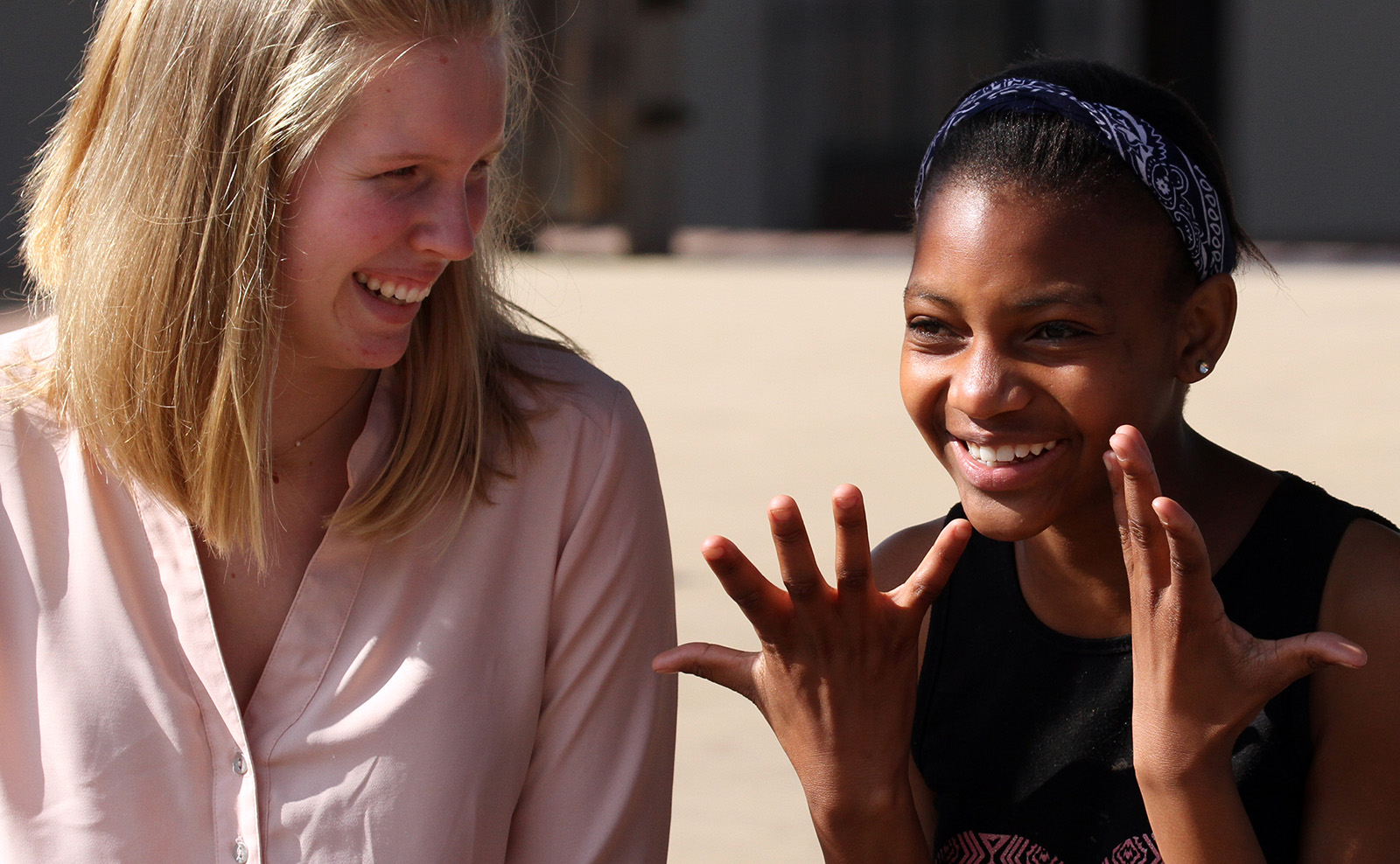
On the first day, Monday, we arrived at the community center to practice our songs. The room we practiced in was a lot smaller than I expected, and a lot fewer people than I expected were singing with us. We went through our usual routine of introducing ourselves, not being able to pronounce anybody’s name, and failing to do their complex and interesting handshakes. It was a little bit awkward at first, but everyone was extremely friendly and comfortable, so we softened up a bit eventually. That was also part of the routine. We met Thulani, the music director, and I was relieved to see that he had a clear vision for the music, since none of us had any idea what we were going to do for the performance.
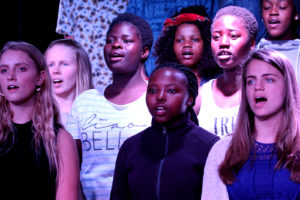
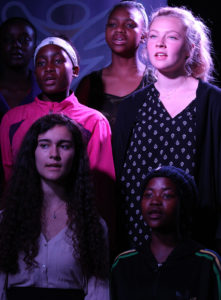
Thulani had us sing what we knew for him, and he seemed impressed, but our confidence was weakened a bit when he had his choir sing. They couldn’t have had more than 20 people, but they sounded just as big, if not bigger than the other much larger choirs we had heard during the trip. Part of it might have been the small room we were in, but it was clear that there was some serious talent there to help us.
We practiced for almost three hours. It was super fun at first, and it all sounded amazing since their choir was so powerful and we could basically just follow along. Nothing was too difficult, and none of the questions Thulani asked me about the music were too hard to answer. However, towards the end, we hit a huge roadblock. The way we sang the final song, Shosholoza, and the way the Tembisa choir sang it was completely different. Thulani clearly had an idea of how to join our versions together, but he was having a lot of trouble communicating it to us. It was the first time on this trip that I felt like there was a language barrier. We didn’t really figure it out, and even though the rest of the music sounded great, we left Tembisa feeling discouraged and hopeless. I then heard that Thulani was leaving Johannesburg to go do some performance elsewhere, and we weren’t going to have a music director. I had no idea how we would put it all together without him there, and I dreaded coming back for the next day’s rehearsal.
When we returned on Tuesday, our worries only grew when we found out that we had to perform that day, as well as the day after. I had no idea that we were supposed to perform any other day than Wednesday. We didn’t feel prepared at all, even after we practiced a bit beforehand. It turned out that we only had to sing the two easiest songs out of the four we were preparing, but the fact that it was all so new still made it a pretty daunting task.
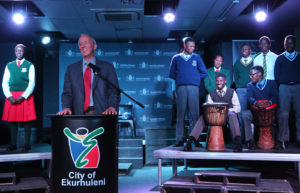
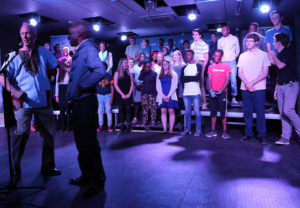
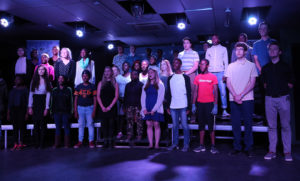
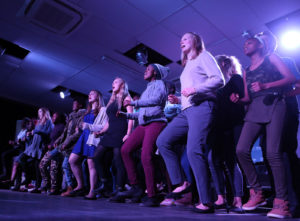
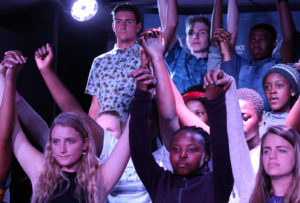
We walked on stage. Somehow, they managed to fit a stage and at least 100 people in the room we had been practicing in, and the lights drowned out the crowd enough to let us pretend they weren’t there. I wasn’t as nervous as I thought I would be. Maybe the fact that we didn’t really know what we were doing lowered our expectations a little, but I just wasn’t thinking it would go badly at all, and it didn’t. The show went smoothly and we all felt great right after, but there was more for us to watch when we were done.
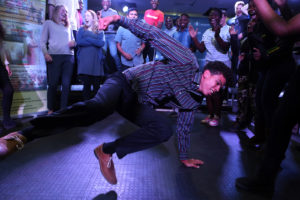
At that point, we had been in a very different country for a long time, but the culture shock didn’t truly hit me until the show that followed ours. The Tembisan kids stayed on stage, and performed an elaborate and intricate string of musical numbers, dance pieces, and scenes that completely blew me away. I’ve been to a few loud concerts in my day, but the sound from those didn’t even compare to the power of the Tembisa choir. Two of the kids were hitting a couple of drums so hard that I could practically feel myself being blown back by each slap. And it was perfect. Not a single mistake was made. I had to keep remembering to pick my jaw up from off the floor.
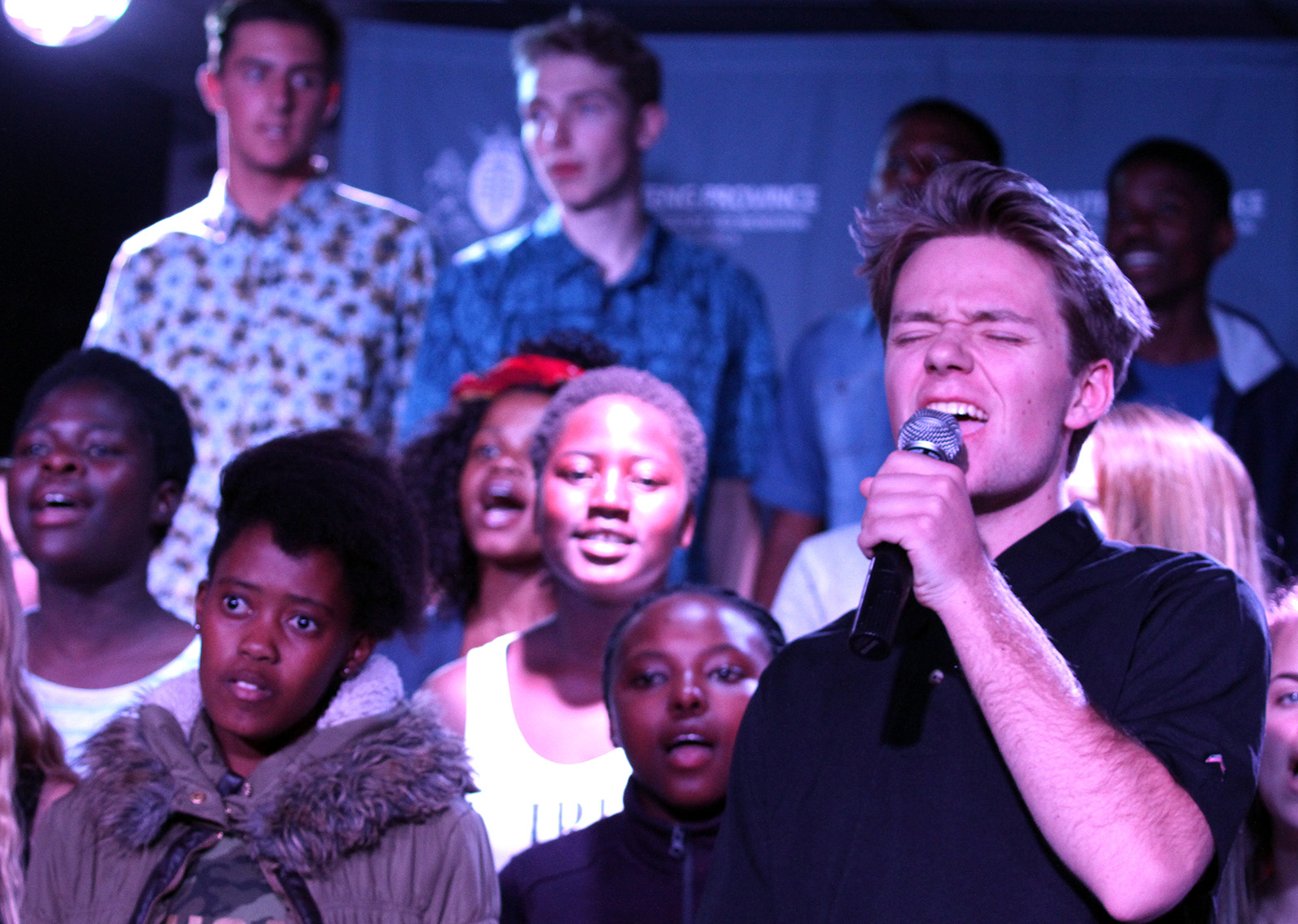
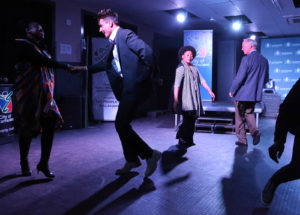
Two parts of the show stand out in my memory as being particularly different from anything I’ve ever seen. One was a traditional indigenous dance routine done by three guys and three girls wearing clothing made of hides. The drummers were playing faster than I thought was possible, and the dancers exerted so much energy. Everyone was in tune rhythmically. I don’t know how they were all able to find the same tempo so quickly without looking like they had to think about it. Everyone was in the moment and having so much fun, it was impossible not to smile and do some dorky dance moves in my seat. The other part that stood out to me was on the other end of the emotional spectrum. Two of the kids, a boy and a girl, did an extremely dramatic scene about the death of the baby of the girl’s character. The acting was amazing, and had all of us completely entranced, but the rest of the crowd kept laughing. This was not the type of scene that any of us would’ve ever laughed at, but apparently, everyone else saw it as some type of dark comedy. Surrounded by laughter on an island of confusion, I felt more out of place than ever before. It was clear that I was watching something different from the rest of the crowd, and that feeling is still very hard to describe.
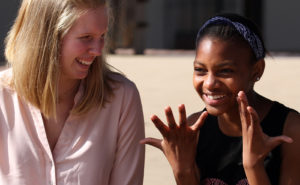
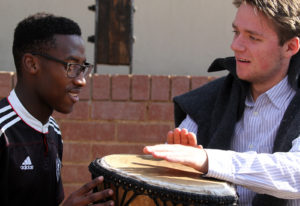
After the show was over, we ate dinner with the Tembisan kids. I talked to one of the drummers, and he taught me a few grooves that he played. Even after I stumbled through them, he insisted that he was impressed with me. I talked with a few more people, and saw more of the same thing. Everyone I met was so talented, but so humble. I realized that most of the people we’ve met don’t like to show off or brag about their talent, because to them, it’s not talent. Music is part of who they are.
The last day was the longest, but the most fun by far. The ice between everyone felt officially broken, and we spent most of the day talking and joking with each other. We ran through the show, making fixes where we could, but Shosholoza still didn’t feel ready. We collaborated as much as we could, but by the end there was a general unspoken consensus that we were just going to wing it.
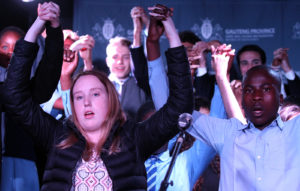
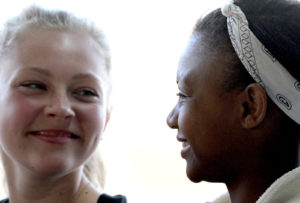
The performance of the final show might be the most fun I’ve ever had doing a performance of any kind. The crowd was so full of life, clapping and cheering at every opportunity. I couldn’t help but chuckle a little at how exciting it all was. When we sang a South African-ified version of “Stand By Me”, I sang a duet with one of the Tembisan girls named Ellen. The crowd cheered so loudly during it that I could barely hear myself. By the time it was over, I didn’t want to get off the stage, but I had to. We exchanged phone numbers with our new friends, and we got on the bus and left. Even though we had spent the whole day together, it all felt so abrupt. The show ended, and we may never see those crazy talented kids ever again.
This trip has been packed with eye-opening experiences, but our three days at Tembisa might just be my favorite. Looking back, it didn’t feel like only three days. So many things happened with us and those kids, and I feel like I’ve known them for months. They welcomed us into their musical world, and I’ll never forget what that world truly is. Music is the heartbeat of South Africa, and I hope I never stop hearing it.

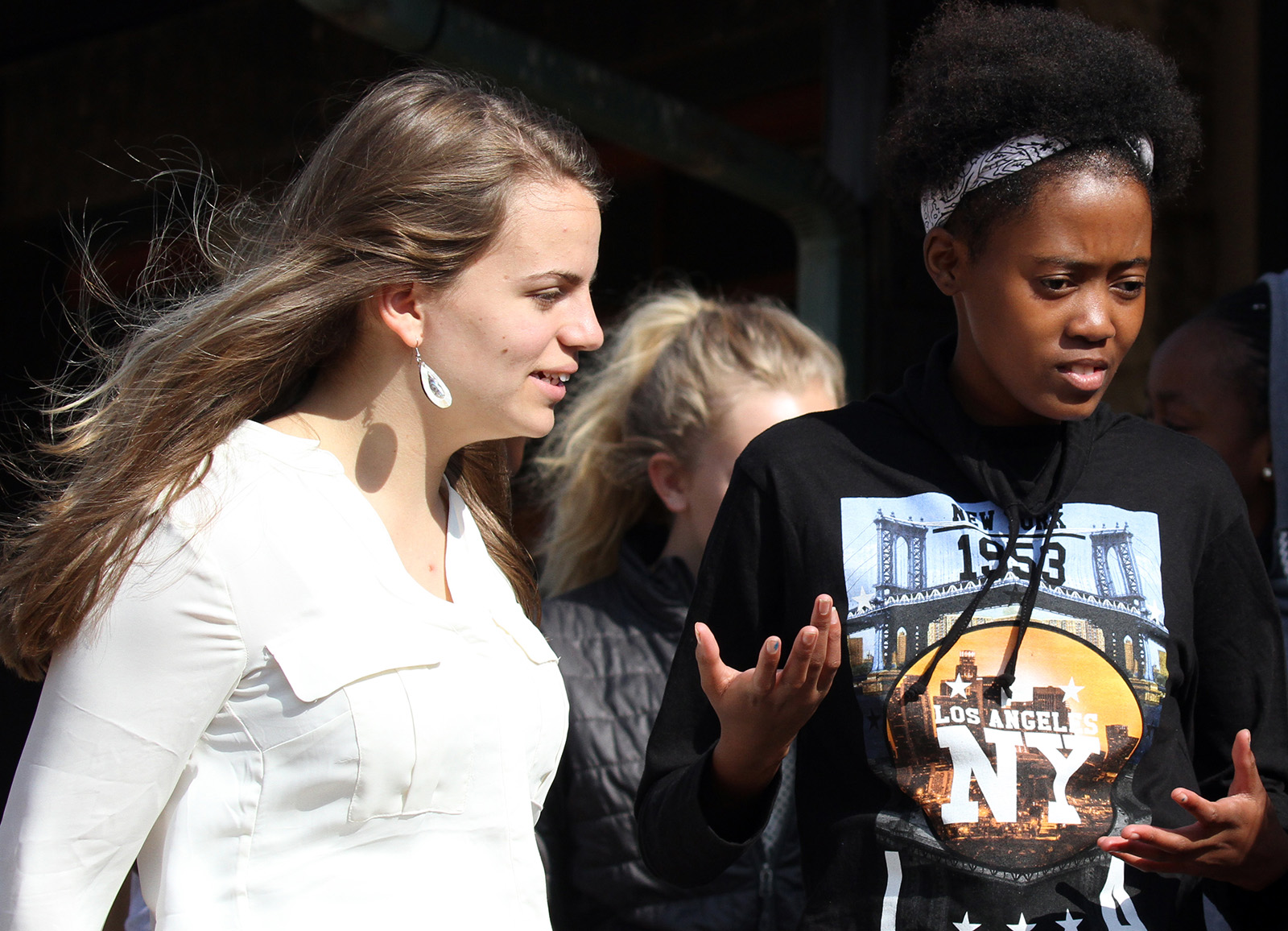
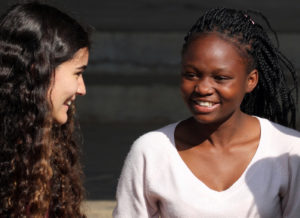
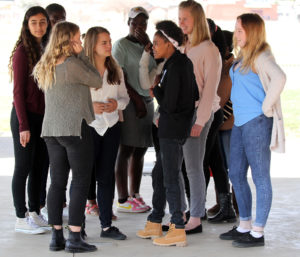
Arriving at Tembisa, I was nervous for what was to come. We were going to meet a lot of new people our age and perform with them with only three days to rehearse. We were immediately thrown into rehearsal with the choir director, Thulani. When everyone started arriving, we were told to mix in so that we could meet new people. I stood in between two girls, named Ellen and Maya, who I quickly became friends with. We practiced all the songs, sometimes singing our version and sometimes singing their version. By the end of the first day we had a rough idea of what we would be doing.
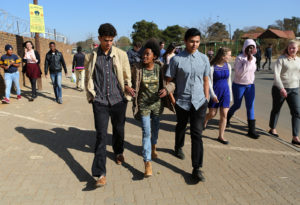
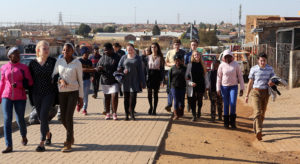
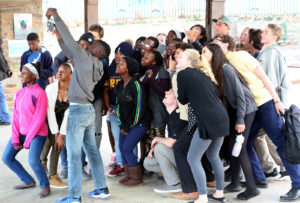
On the last day of rehearsal, which was also show day, everyone was nervous that the show wouldn’t go well because it still needed a lot of work. We practiced for a few hours and then got to go walk around the surrounding township with our new friends. It was the most fun I had during this whole experience. It was nice to just hang out. It made me wish we had more free time to get to know the Tembisa students better.
When we got back, we did one fuller run through, still making stops to fix things here and there. I was very nervous when the show started but somehow, we did the whole thing with barely any mistakes. It went very well considering the amount of time we had. When it was time to leave, I was sad. I had become close with so many of our new friends and I didn’t want to leave knowing it would probably be the last time, at least for a long time, that I would see them. We gave our final goodbyes and hugs, and waved from the bus until we couldn’t see them anymore. I am going to miss hanging out with all of them. They were so friendly and welcoming that it was easy to become close with them quickly. I could only imagine what would have happened if we had more time together. I look forward to keeping in touch and hopefully seeing some of them again one day.

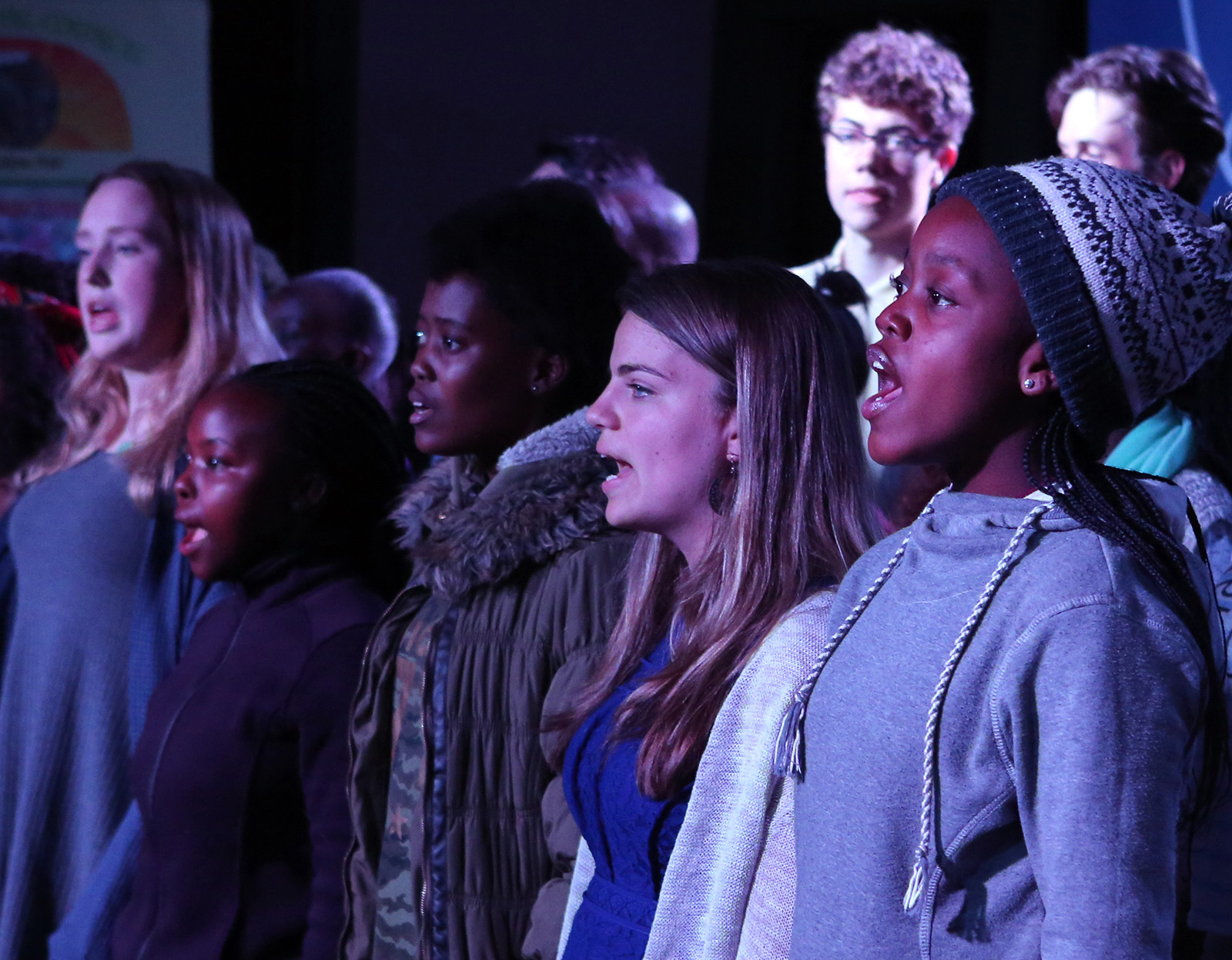
As our bus made its way through the streets of Tembisa for the second time in as many days, I was completely unsure what to expect. I seem to recall at some point hearing the term “dress rehearsal,” but I was completely unsure what exactly this entailed. All I knew is that, at some point, we would be singing. It was late afternoon, just before dusk, when we arrived at the intercultural exchange. As we entered the relatively small room where the performance was going to take place, I noticed that one end of the room had been transformed into a stage. Levels had been made from stairs and crates painted black, and stage lights hung from missing ceiling tiles. On the stage, our South African counterparts were mid-rehearsal. Their choir was singing softly and, though I could not understand the words, I could feel the power behind them. This singing accompanied a narration, which alternated between various actors and actresses. They were telling the story of Nelson Mandela’s release from Robben island, and the end of apartheid. I was instantly amazed at how passionately the performers on stage embodied their parts, and it wasn’t just the speakers, everybody participated fully. When the speaker described Mandela stepping before the South African crowd, all others whispered and gasped, staring and pointing past the audience, as if Mandela himself was standing in the room. When the speaker described the reaction of the press to Mandela’s release, everyone on stage dropped to their knees and held imaginary microphones to their mouths, chanting a question for Mandela in unison. This served to immerse the audience in the action, and, although it was just a rehearsal, I found myself totally drawn into their performance. Once they were finished, we were invited on stage with them, and we began to rehearse the songs we were performing together: Nkosi Sikelel’ iAfrika and We Shall Overcome. No sooner had we finished than I noticed the room start to fill. We made our way into the audience, and all lights but those illuminating the stage were turned off. Thus, the performance had begun. The show ran nearly an hour past its predicted ending time, but I found that I enjoyed the performances so much that I cared little. There were several pieces that were separate from the songs our group was involved in, including the performance we had walked in on, skits, songs, speeches and dances. There were two such performances that stood out to me as particularly well done, though all were fantastic. The first was a kind of skit portraying an argument between a male character and a female character. They were fighting about the fate of the female character’s baby, and a story began to unfold about a desperate mother without the means to take care of a child she didn’t ask for. I was absolutely blown away by the passion displayed by both performers. I specifically remember looking up at the actress and realizing that she was crying. This was something I had previously thought impossible in live theatre, and yet there she was, tears visibly streaming down her face. I was stunned. It no longer felt as though I was watching a performance, it was as though they had become the characters. The second performance was a Setswana Traditional Dance, which was unique in that it involved costumes. Admittedly, I was initially surprised when the dance began. One moment we were listening to a speech by one of the officials, then suddenly a woman walked on stage carrying what looked like a whip and wearing a skirt mad of animal skins. She began to chant, and she was quickly joined by two other women and four men who were similarly dressed. The group began to sing and dance simultaneously, stomping their feet in time with the drummers who were standing just upstage from the dancers. I was amazed by the precision of their movements. They danced perfectly in rhythm, synchronizing their movements with one another and gliding across the stage with grace that seemed to defy the physical limitations of the human body. It was thrilling to watch. I left Tembisa in awe of the production I had witnessed. I was amazed by the talent and dedication of all the students. In reflection, I feel grateful that I had the opportunity to watch and participate in the show, as well as the opportunity to meet people with such dedication to the thing that makes them happy.
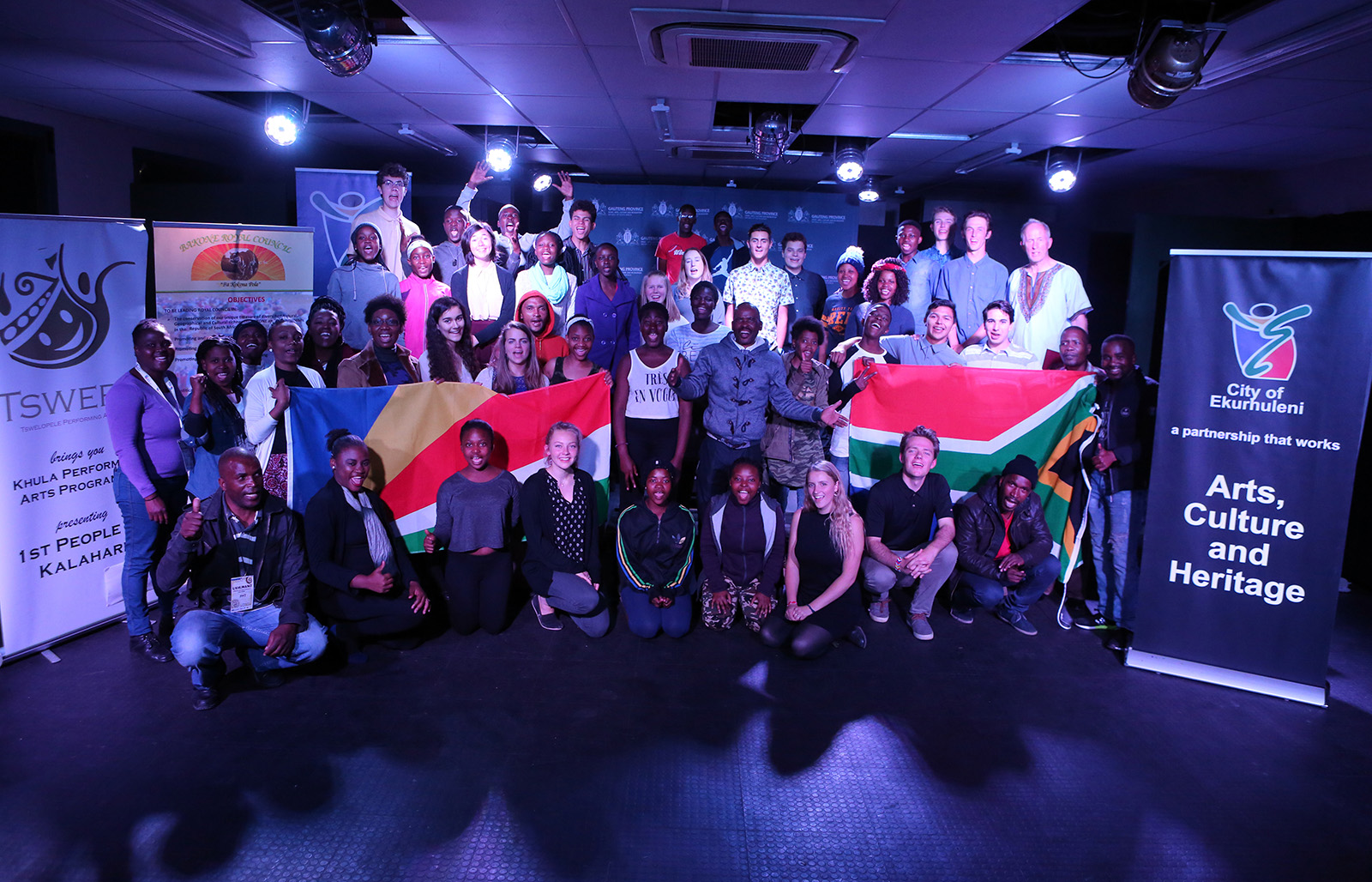
Click a photo to enter slideshow mode!
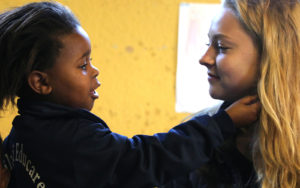
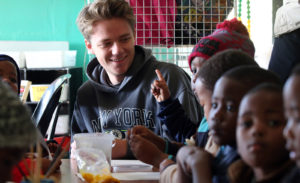
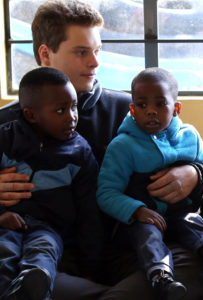
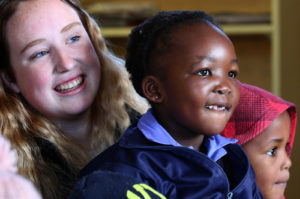
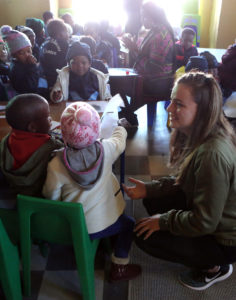
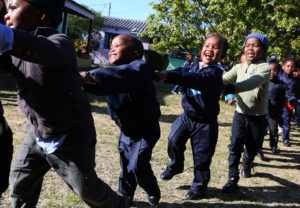
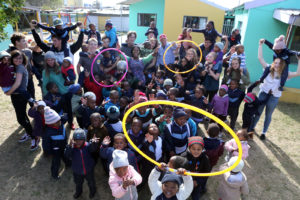
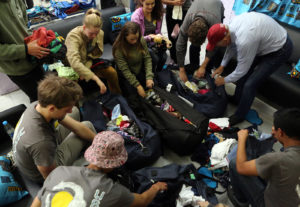
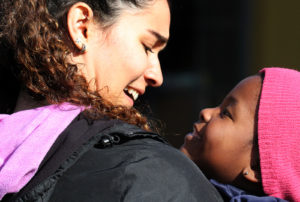
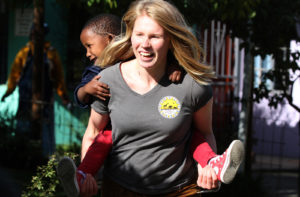
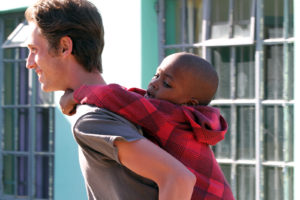
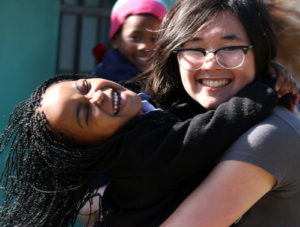
Photos by Shmuel Thaler.

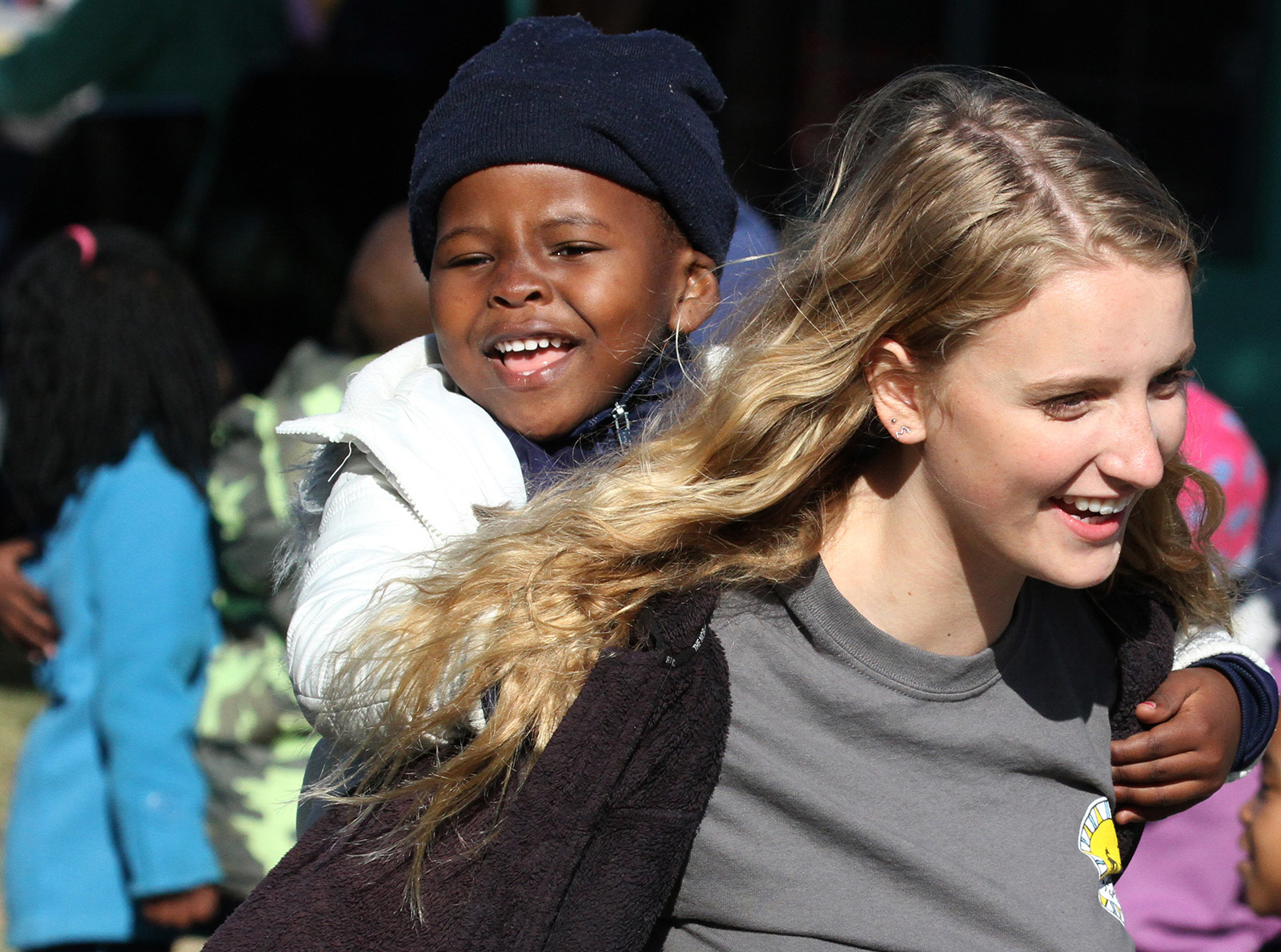
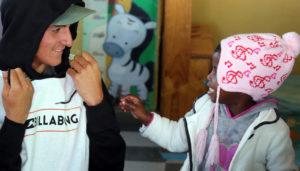
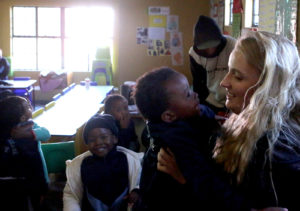
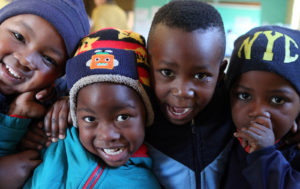
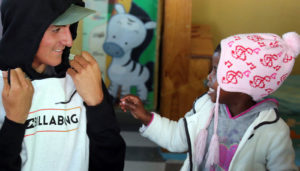
Walking into the classroom I was greeted with the purest, most instant love I have ever felt in my life. Every hand grabbed at me, some waving and giving me a thumbs up while they grinned uncontrollably. Hands grasped my hands, trying to pull me in all different directions as I tried to walk forward with kids clinging to my legs. I was in the 3-4-year-old classroom at the Philani Nutrition Project.
The Philani Nutrition Project is an organization that aims at helping pregnant mothers and mothers with children ages zero to five through their most vulnerable times. At their main campus, they have classrooms for 3-4 year olds, 4-5 year olds, and 5-6 year olds.
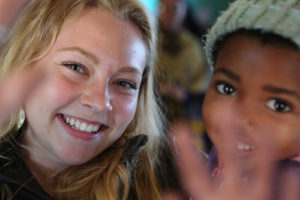
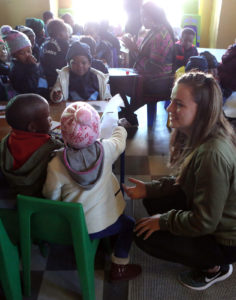
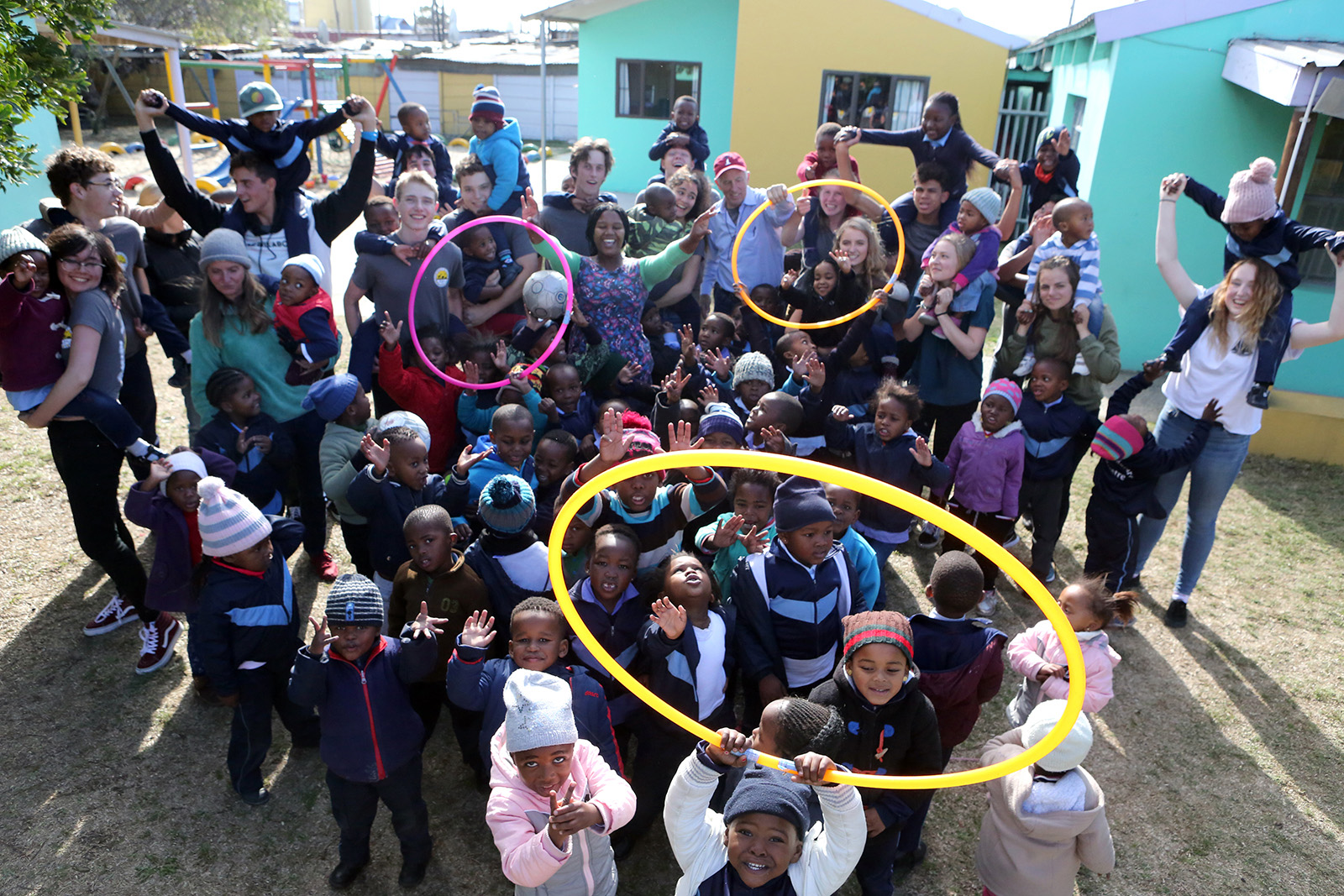
Each child I met was filled with love and laughter, and all wanted to be my best friend. We helped them do their arts and craft projects, sang songs, and played together. I sat on the ground and they clambered onto my lap and looked at me saying words I did not understand. I would ask them their names and they would respond with the few English words they knew which usually were colors or days of the week. Despite the language barrier, we had an instant connection. We communicated through our movements, laughs, and smiles.
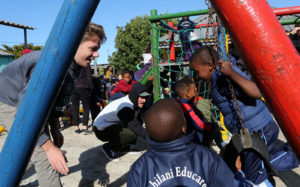
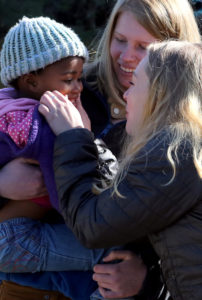
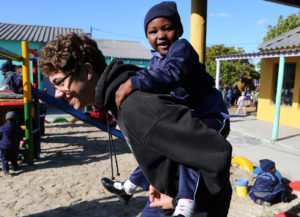
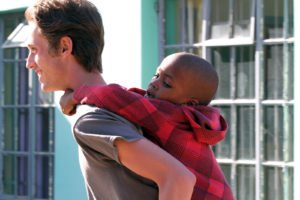
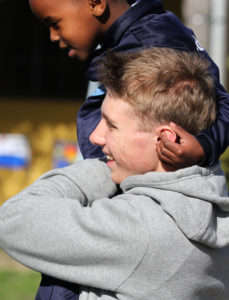
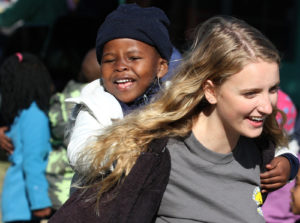
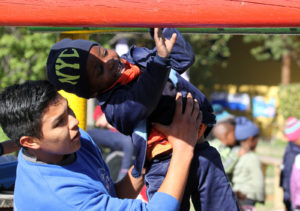
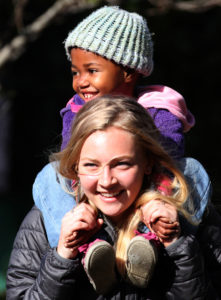
I made friends with one boy who calmly grabbed my hand, took me to the playground, and climbed on my back as we walked around observing the other kids. We couldn’t talk to each other and didn’t even know each other’s names but every time I looked at him he had the biggest smile on his face. He would run up to me and leap in my arms as though I was his sister. As we left they all ran up to me and showered me in hugs and kisses on the cheeks. I will never forget their smiles, the way the accepted me without hesitation, and the unconditional love I felt even though we had just met. When we left, we didn’t feel like strangers anymore, we felt like family.

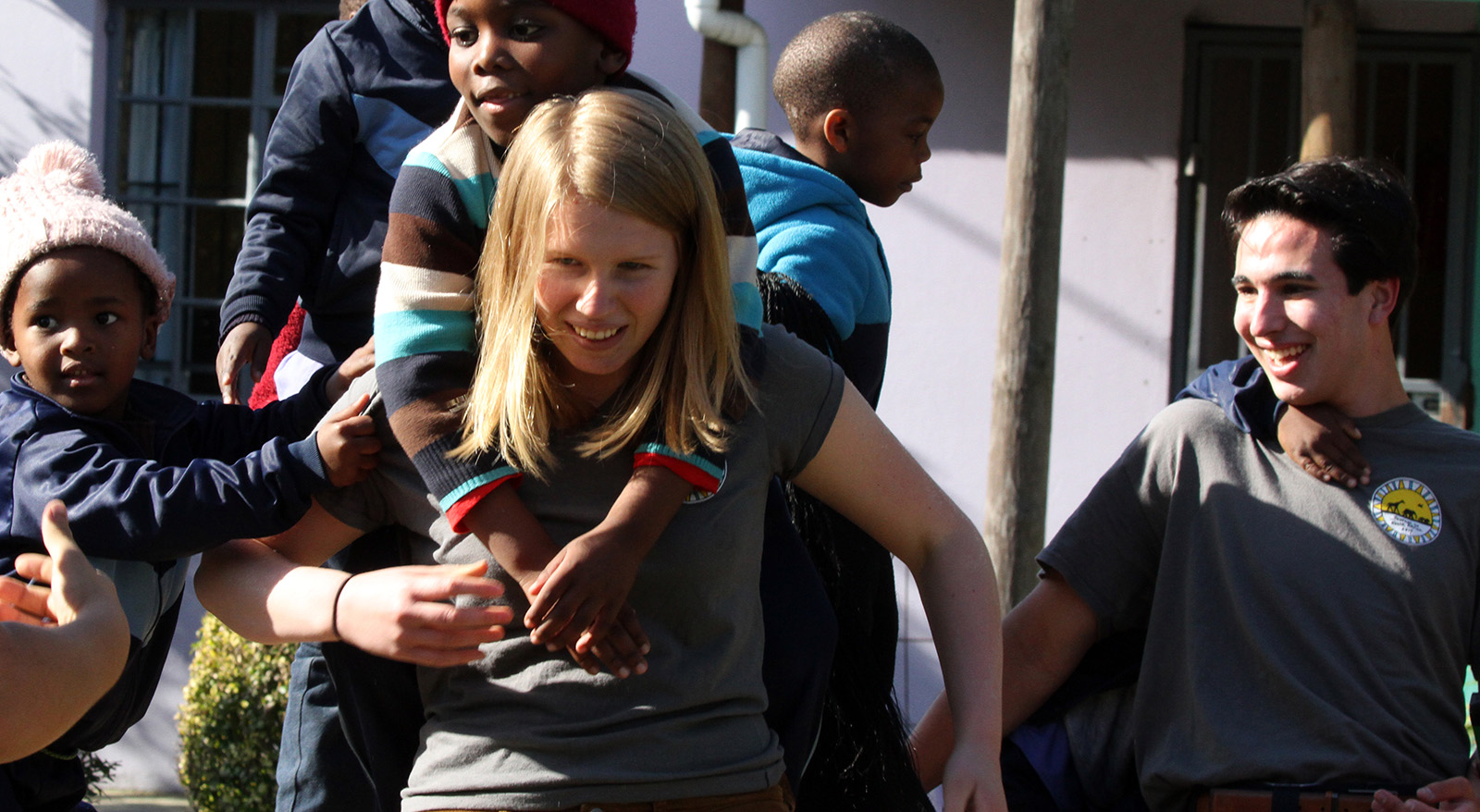
When I arrived at Philani I was excited to play with the kids. I stood in the classroom and looked around the room, there I saw a small child with a big smile looking straight at me; at that moment, I knew I had to hang out with him. We started building things with play dough. He told me to, “Make a boat. Make a car.” Make this, make that, and I would. We then went to recess, and he wanted to ride on my back. “Go, Cyrus!” “Run faster Cyrus!” he would say. When it came time to say goodbye I started to feel something that I have never felt before. I was struck with sadness, and I couldn’t keep myself together. Seeing him walk away, while looking back trying to find me, really hit me.
Before arriving at Philani, we drove through Khayelitsha, a shantytown of over a million, and I saw extreme signs of poverty, much worse than I have ever seen at home, in the United States. This is where the kids we played with at Philani live. I felt sad because no one should have to live in conditions like that. At the same time, it was surprising to me to see how happy they were and what strong spirits they had. I felt like I was looking at two different worlds. Although I know that the kids are happy and full of joy, that is not enough to make me feel relieved. Today, I observed something that I have never experienced before, and I will never forget it. I wish all of the best for every child there, and especially for my friend; Ayulla.

I have never been a fan of small kids. I used to only interact with children over the age of 10 because I either feared dropping them or doing something wrong. My entire mindset about children shifted today. When we arrived at Philani Child Nutrition Project we were immediately greeted with smiles from the workers who showed us around. We sat down and watched some informative videos about the organization and the amazing things they do for the township they are based in. After talking with some of the women that worked at Philani, we were told that we had three different choices for volunteering: filing papers in the administration office, making balls of cloth to be used for the looms, or playing with children ages 3-4, 4-5, or 5-6. Not surprisingly, I avoided hanging out with the children. Instead, I went to the yarn rolling station which happened to be very therapeutic. Trying to keep a ball of blue or black cloth from unraveling, and talking to people at the same time, became very easy; there was a sort of rhythm about it. We rolled up the balls of cloth for some time and then they gave us a tea/coffee break. After the break, they said that everyone who hadn’t hung out with the kids yet could. I was hesitant at first but eventually went to hang out with the 4-5-year-olds. 18 kids sat in a circle, singing like they didn’t have a care in the world. I sat down on the outside of the circle listening to what I assumed was a South African nursery rhyme. They were singing with so much confidence and at such a high volume, it was amazing. Their lack of fear in getting up to lead their class in a nursery rhyme, while dancing the whole time, struck me.
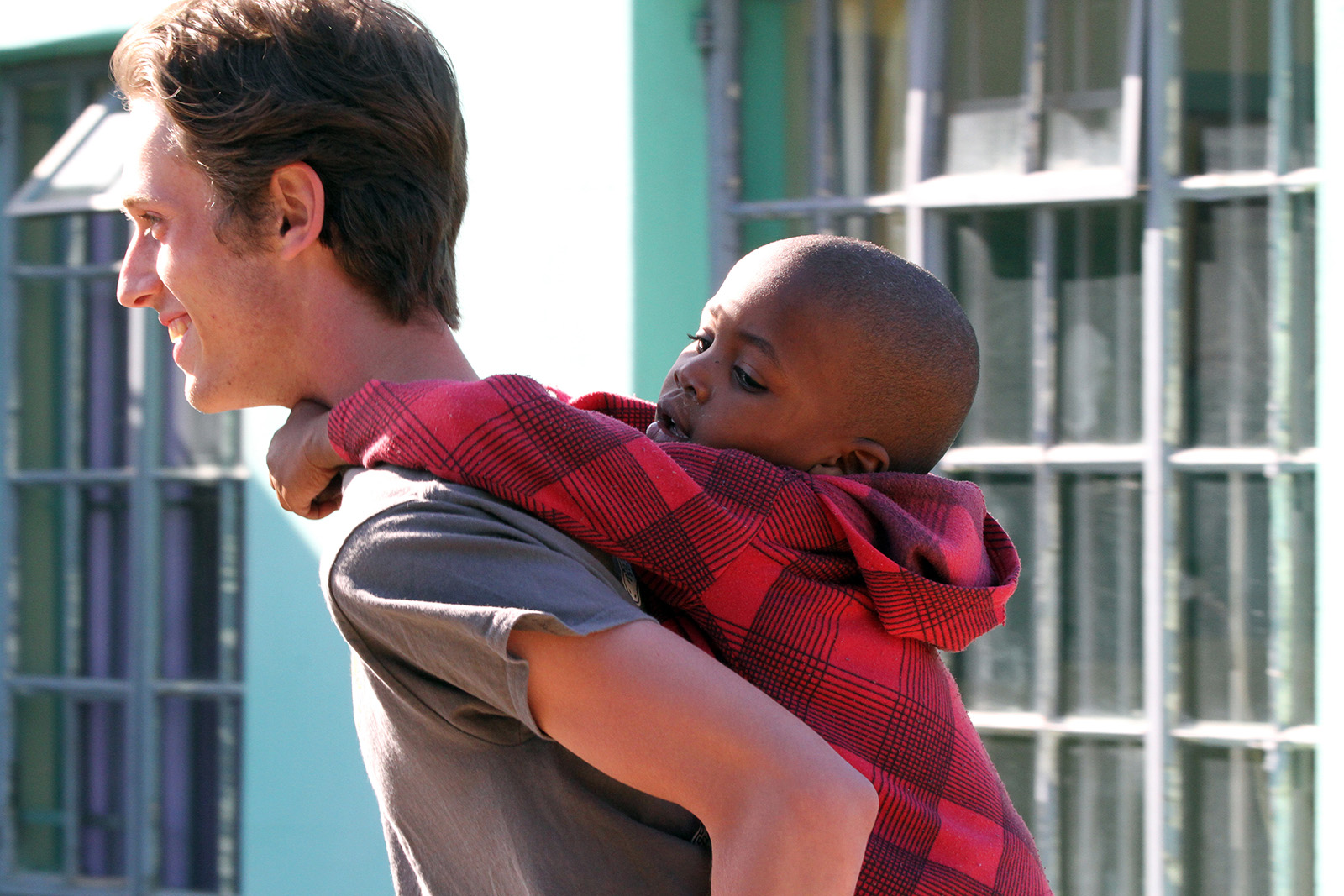
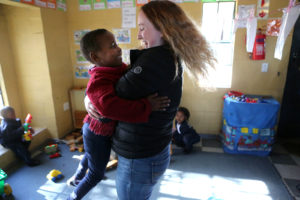
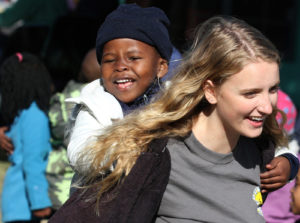
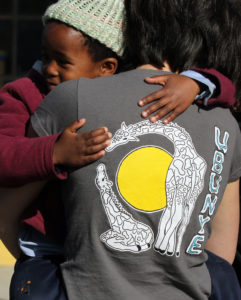
The teacher then said four words to us, “We’re going to play.” The playground was filled with small kids on the swing sets, running around, being held by my classmates, or climbing on a small play structure. I was experiencing what I had seen previous Mount Madonna classes enjoy so much. I went over to the swing set where a kid was sitting still on the swing, trying to push herself. I pushed her once, and the biggest grin came across her face as she turned her head upside down to look at me. I pushed her for a while, smiling the whole time. Eventually, one of her classmates took over my job. I stood there for a bit, waving at the kids on the multi-colored play structure and giving an occasional helping push. I felt a tapping on my leg and I looked down. A boy with a red striped t-shirt looked up at me and raised his arms wanting to be picked up. I was nervous but I wondered when I would have this experience again. I washed away my fears and picked him up. His legs locked around my torso and his arms around my neck. He looked at me, smiled, and nuzzled his head into my chest. I felt an overwhelming sense of love radiating from this kid who’s name I didn’t even know. I carried him around for a while, having him point where he wanted to go. I was his Sherpa. Finally, I got a bit tired and let him down. I didn’t have time to stand up before the kid ran around to my back and jumped on. I ran through a gauntlet of trees and bushes with him on my back. He was the human and I was his robotic suit. Eventually, when I put the kid with the red t-shirt down a group of kids ran up to me. I became a grey ubunye shirt wearing jungle gym, for up to four kids at a time. I toured them around their playground at speeds previously unreachable to them. Finally, the time came for the kids to line up and go back to their classes. I waved and said my goodbyes, high fiving as many as I could.
I don’t think I stopped smiling the entire time.

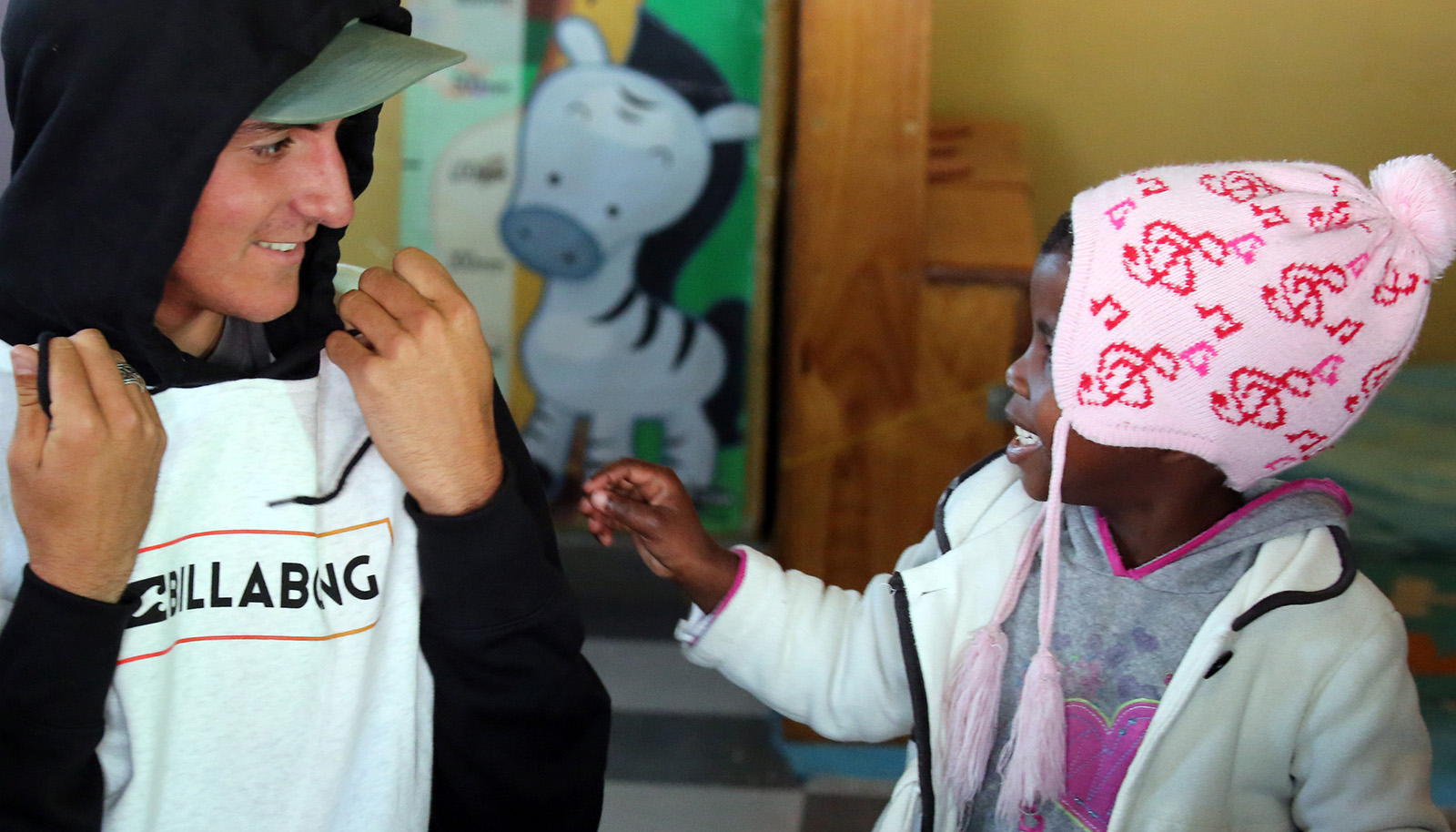
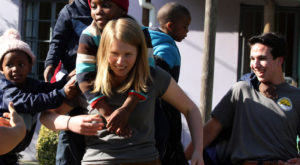
Nervousness and awkwardness were the emotions I felt as I took my first steps into the Philani classroom of boys and girls ages 4-5. As I opened the classroom door, all eyes were on me. Looks of confusion and excitement sparkled through their eyes and in turn lit mine up. They sang, they danced, and they laughed while their teacher led them through their daily activities. The kids were anxious to come and see us and play, but they stay focused and did their activities. Then, in an instant the teacher left, leaving the three of us, Indigo, Aimee, and me, alone with about 20-25 kids. As soon as that door shut, and the teacher wasn’t in site, I was stormed by so many kids I couldn’t count. I lifted one little girl, bringing her to touch the ceiling, and soon I had to do the same to every other kid. From this moment on, I was under full attack. I found myself on the ground with kids climbing all over my body, laughing and aggressively wrestling. When our time in the classroom ran out we sadly left and waited outside with the big smiles on our faces. Luckily, soon recess was announced!!!
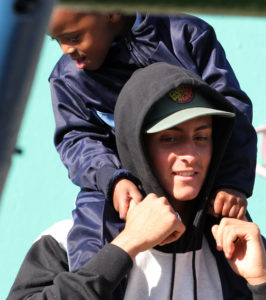
All the kids were let out to play. As I ran through the playground tickling kids, picking them up, pushing them on swings, helping them on the monkey bars, doing all the fun things you could think of, something caught my eye. One little boy was following me, grabbing onto my shirt. I turned and looked down at him, as soon as our eyes connected laughter burst out of his mouth and he jumped on me. I stood up, realizing that he had grabbed onto me. He managed to crawl all the way up my back, reached my shoulders and sat on them. From that moment on, I knew that this kid was going to be special to me. He took my hat and threw it on his head, even though it was ten sizes too big for him. He screamed with laughter, thinking that this was so funny. He yelled for me to run across the playground and then turn around and run back where we started. I spent the whole recess with him on my shoulders, running all over the place. I think I felt the happiest I have been in my whole life. We both smiled, laughed, and had so much fun together.
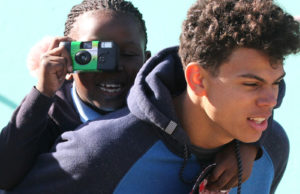
Soon our time together came to an end. We took pictures and I taught him how to do the one and only, “shaka” with his hands. As I took him off my back he looked at me and gave me the biggest and tightest hug I’ve ever received. Then he walked away and at the last second turned around made eye contact with me and threw me a “shaka.” He then smiled and walked to his classroom. I will forever remember this moment, and this boy. I hope he does too.
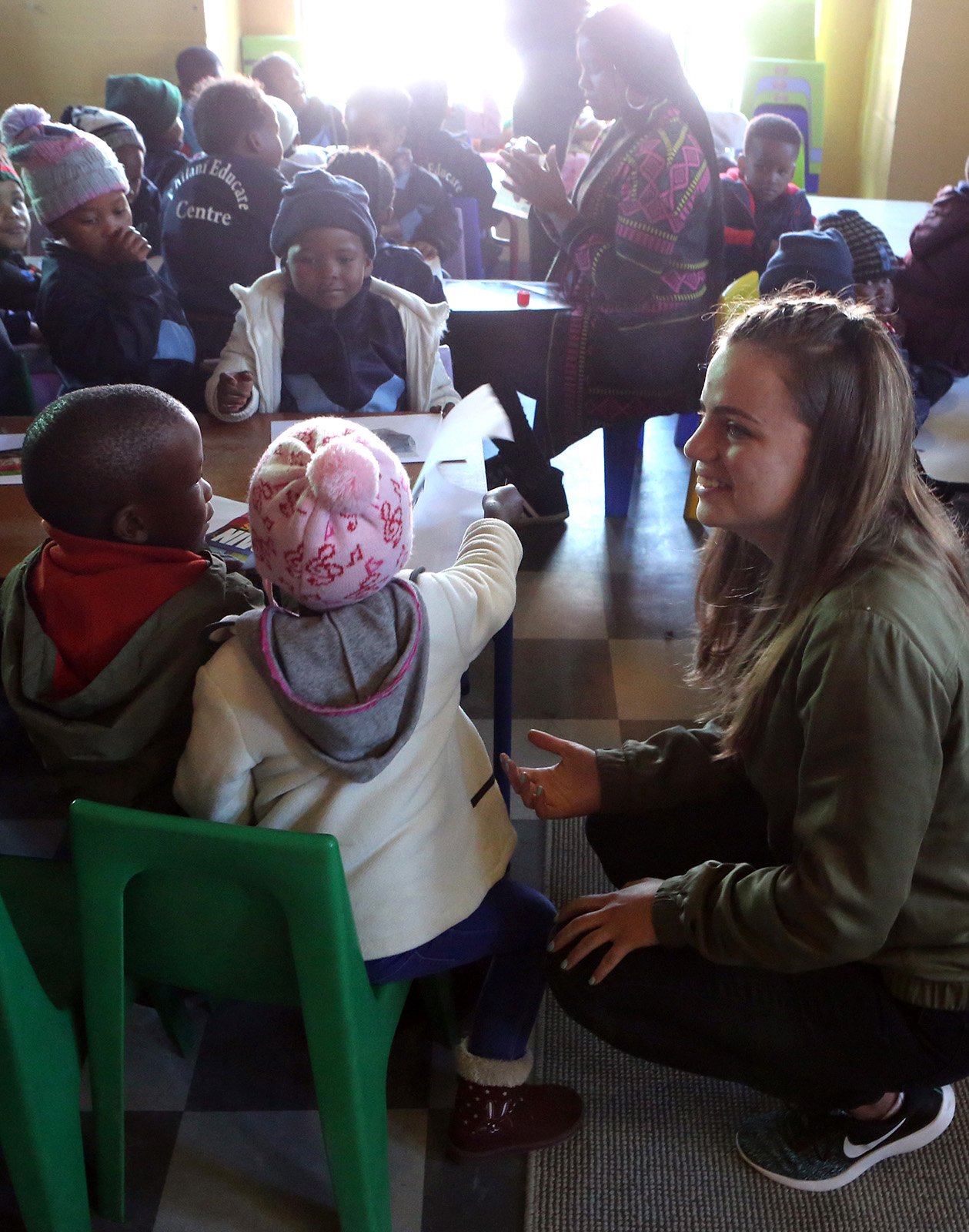
Today I knew that I wanted to play with children. Luckily, I was one of the first to enthusiastically raise my hand and was picked to go hang out with the kids. Indigo, Brigg, and I went to the 3-4-year-old classroom. As soon as I walked through the dark green door I knew it would be like no classroom I would find back home. 25 sets of small eyes turned our way while still happily singing along to a song their teacher was guiding them through. Some exuberantly waved, while others continued to stare shyly. We sat behind them trying not to interrupt their lesson on numbers and colors but that, as we found out very quickly, wasn’t going to happen. First it started with a few of them giving us thumbs up and high fives but soon more and more began doing the same. After lunch, their teacher gave us some free time to play with them. In a matter of seconds Brigg, Indigo, and I were swarmed by the most genuinely happy kids I have ever met. I couldn’t stop myself from smiling. I never knew how happy it would make me to have two kids in my lap, three under my arms, two pulling at my hair, and one particularly excited little boy desperately trying to ram the other kids off my lap so that he could have all my attention to himself. I soon found out that taking a break if I got tired would be impossible. The whole time this was happening they spoke to me telling me new exciting things, or so I assume since I didn’t understand a word they said. This language barrier, though, wasn’t much of a hindrance at all. The smiles, waves, and gestures meant much more than any words ever could. You could really, and fully, feel the love and happiness radiating off them. They didn’t need to explain it with words; you just needed to be in their presence to feel it. I always thought that making them happy would be my biggest accomplishment of the visit but now I know that they are already happy. I didn’t give them happiness, they gave me happiness.
The current Mount Madonna School juniors will depart to South Africa for their “Ubunye Project” on June 16th, 2017. Please check back roughly a week before our departure for the first blog posts from students and teachers!
The students have designed and are selling Ubunye Project t-shirts which are a fundraiser for the trip as well as donations for the organizations that we will visit in South Africa. If you purchase a shirt, know that the proceeds are going directly to funding the trip and the wonderful organizations that we donate to in South Africa!
Visit: https://www.mountmadonnaschool.org/juniors-ubunye-south-africa-learning-journey-t-shirts-onsale
This video was played at the students’ presentation to their community on May 12, 2017 and is a 20 minute overview of the Karuna Project.
Filmed and edited by Devin Kumar.
By Mount Madonna School alumni Emma Petersen and Courtney Bess

Flashback to April 2011, I had never been out of the United States and I was preparing for a trip I knew could change my life but still was not sure how I was going to absorb the experience. I didn’t dive right in. I stayed to myself and my friends for the first few days of the trip. I stuck to what I knew. But then, when we started going to schools, hearing about how students in this country learned, and were given the chance to speak with them about it, I started making friends and connections I never thought I could. I was making friendships with people that grew up completely differently than I had, in school and home life, yet we still had a lot in common.
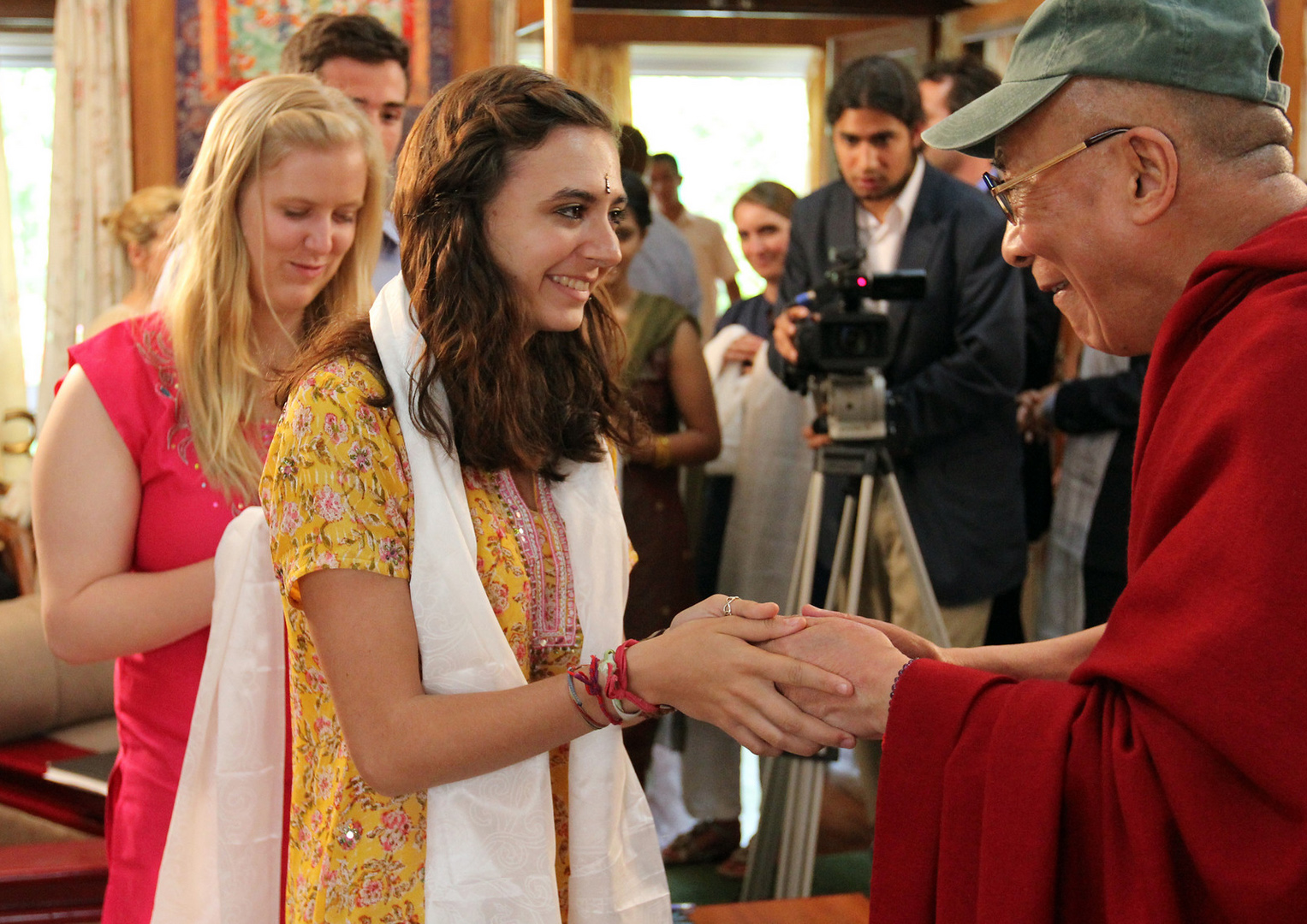
It took me until my second year of college to fully understand the opportunity I was given by Sadanand and Mount Madonna School. I started taking classes that I was able to relate my trip to, things I had heard and the things that had changed me. I remember specifically talking to His Holiness, the Dalai Lama, I asked him, “What to you is happiness?” I remember, I was a sophomore in college at the time, I was dealing with some personal anguish about what major I wanted, and if I wanted to change from a psychology to a teaching major. I was struggling because I was afraid to disappoint my parents. When I called them to tell them what I was thinking they were overjoyed, and my mother told me she knew that was the path I was always meant to go down, and that she just wanted me to do what made me happy. I thought back to the Dalai Lama interview and what he said, “You know when you pet a dog and he wags his tail, that is happiness.” How can someone so wise give us such a simple, modest answer, I had thought at the time when he answered it, but hearing my mom say those words to me, it was that simple. Why trouble myself doing something I did not like? I should be wagging my tail because I am being fed with the knowledge of how to grow young minds.
Fast forward to April 2017, I am now preparing for the journey home. I traveled back to India with the Senior Class of 2017 and a fellow alumni, Courtney Bess. I had always dreamed of coming back, older and able to understand the experience more. I told myself the day I got on that bus leaving the Sri Ram Ashram in 2011, while Kiran held my hand all the way to the gate, I would be coming back again. I never could have imagined it would be like this, a chaperone to a class I greatly respected.
This trip has deepened my senses for my emotion, everything from the interviews to the connections I have made with the children we have met along the way. I found myself in the interviews truly absorbing what the people were saying, not just thinking I need to take notes in case I am asked to write a blog post, but truly understanding and getting goosebumps because I was able to relate to them. Rinchen Khando spoke about compassion and how it overflows with students that are excited to learn. I feel that every day with my students. They are so eager to learn new things and are appreciative when I teach them something new. It is refreshing. Dr. Metre spoke about allowing differences in the villages and how their goal is not to make all the villages the same, but to keep their traditions and help support the women be able to stand on their own financially. I was able to relate to that because I teach a class that is predominantly Hispanic, and even though I am teaching them English, I strongly encourage their families to continue speaking Spanish to them. It is important for the children to keep their traditions at home and be able to speak freely about them at school and know they are supported. Both Rinchen Khando and Dr. Metre spoke to me and made me feel more proud than I normally do about the work I am doing.
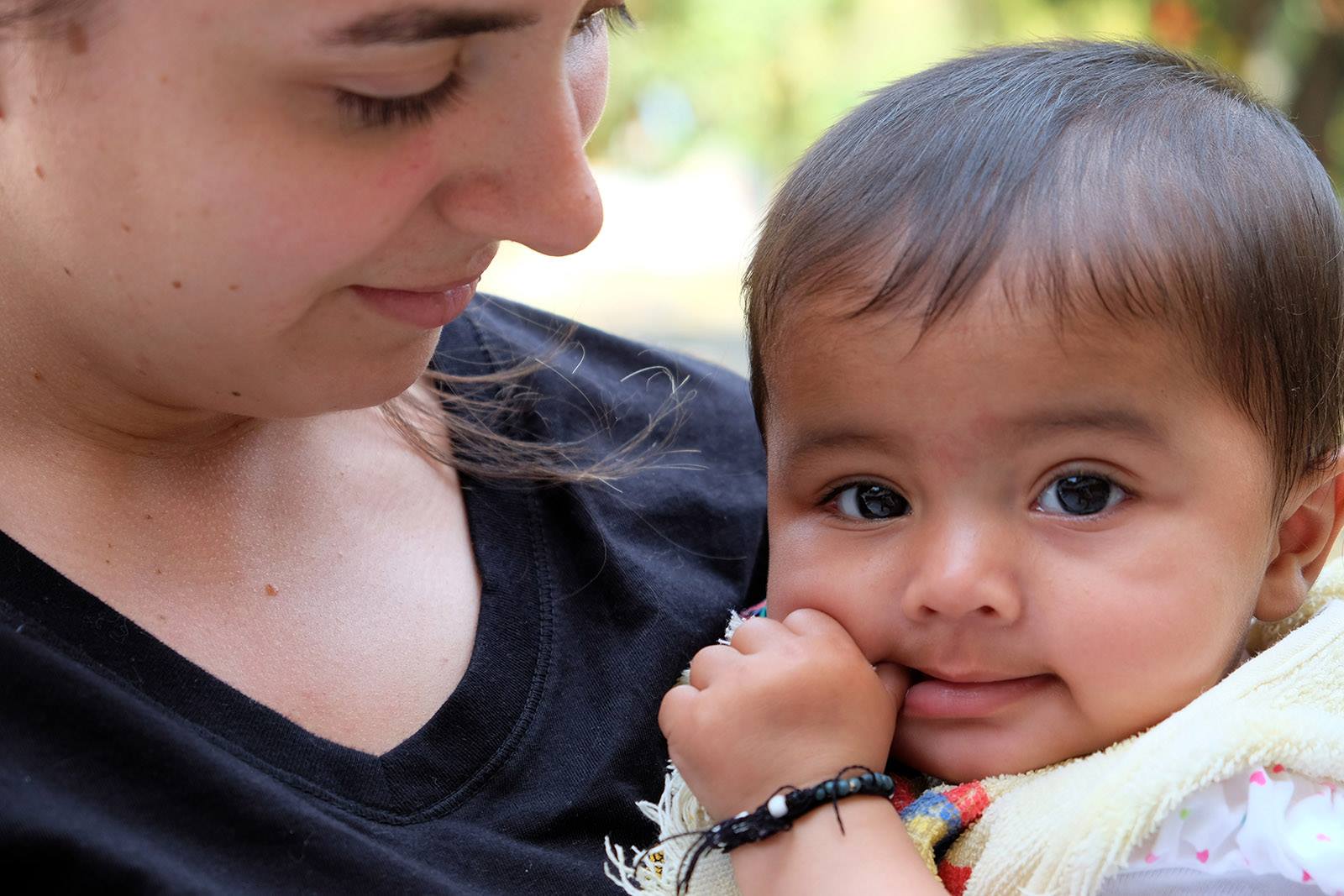
Lastly, driving into the gates of the ashram once again, I immediately began crying, it felt as though I was home. It had been six years since I had last been there. I didn’t imagine that the children I had bonded with before would remember me, specifically Kiran, 9 at the time and now 15, and Jhanvi, 6 months at the time and now 5. As we unloaded the buses, Kiran greeted me, she shook my hand and introduced herself to me, I told her we had met before 6 years ago. She scurried off to her room and when she reappeared she had the picture Devin captured of us saying goodbye on that day in 2011. She remembered me! Jhanvi on the other hand, I knew wouldn’t remember me, but it was like she was drawn to me. We continued our relationship and it was as if I never left. As we said our goodbyes and I loaded back into the bus, I reflected back on how this trip is not only a continuation from my last trip, but has increased my appreciation for this bright, colorful, energetic, inviting country. India has given me a second home, I knew I was meant to come back and visit, and I know now that it is forever a place I will return. It has given me memories that I will never forget and ones I wish to expand upon in the near future. Namaste.

Khushi…the Hindi word for happiness. While I expected this learning journey to be influential and expose me to unique opportunities, I did not anticipate that it would result in a personal redefinition of the word happiness.
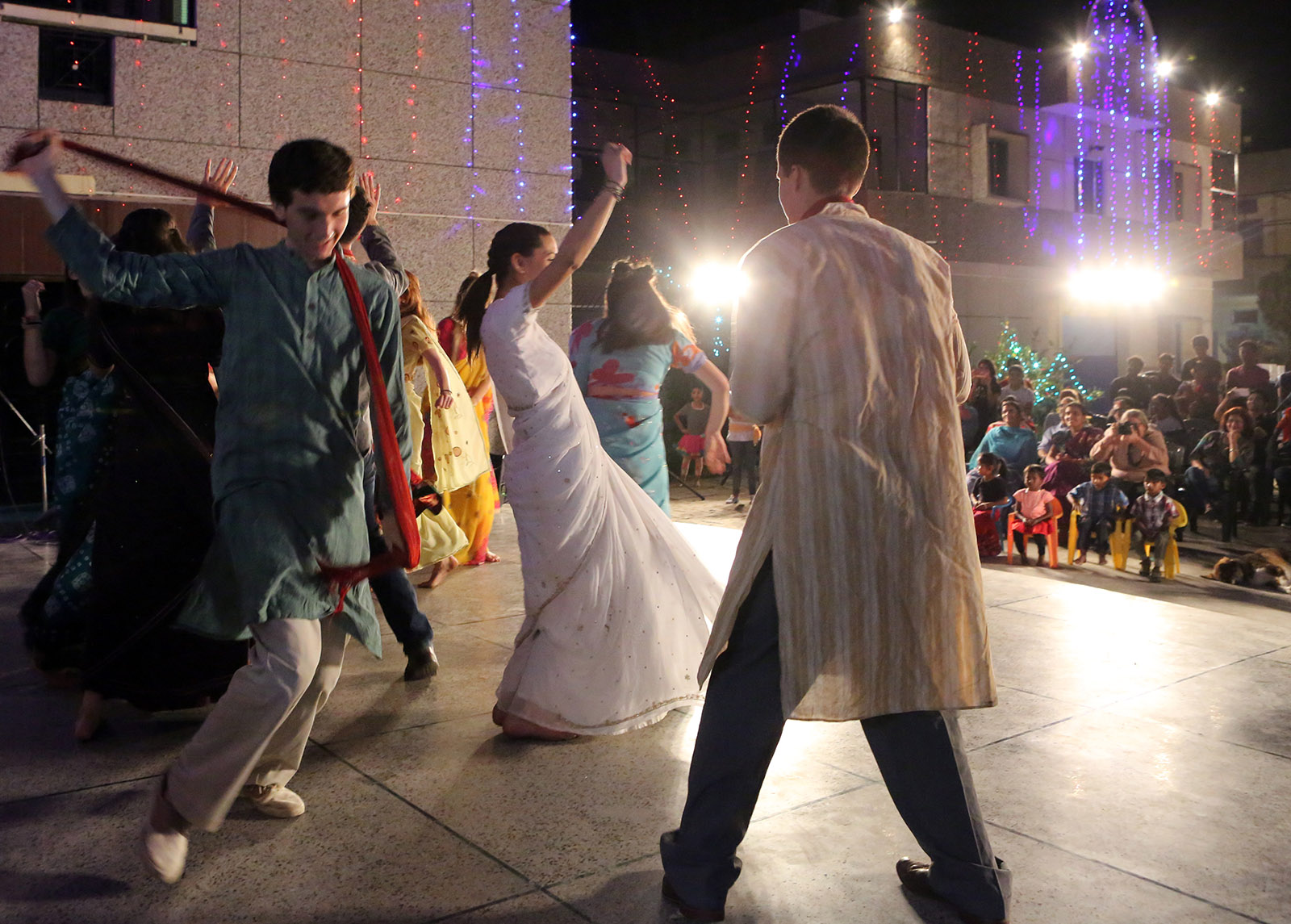
The night I watched the series of performances put on by the kids at the Sri Ram Ashram, I felt tears welling in my eyes. It wasn’t the typical reaction one might expect from someone watching an upbeat dance carried out by adorable, smiling faces. My emotions were stirred by what was physically happening on stage, but they were intensified even more by the ease with which the kids seemed to exude authentic happiness. In this pivotal moment, I felt a mixture of envy, admiration, and wonderment.
This expression of genuine happiness proved to be a common thread amongst the many individuals and groups of people with whom I interacted during my time in India. Since finding myself consistently surrounded by such sincere contentment, I have been making a conscious effort to examine the similarities across these groups in an attempt to discern a formula for happiness that I can carry with me for the rest of my life.
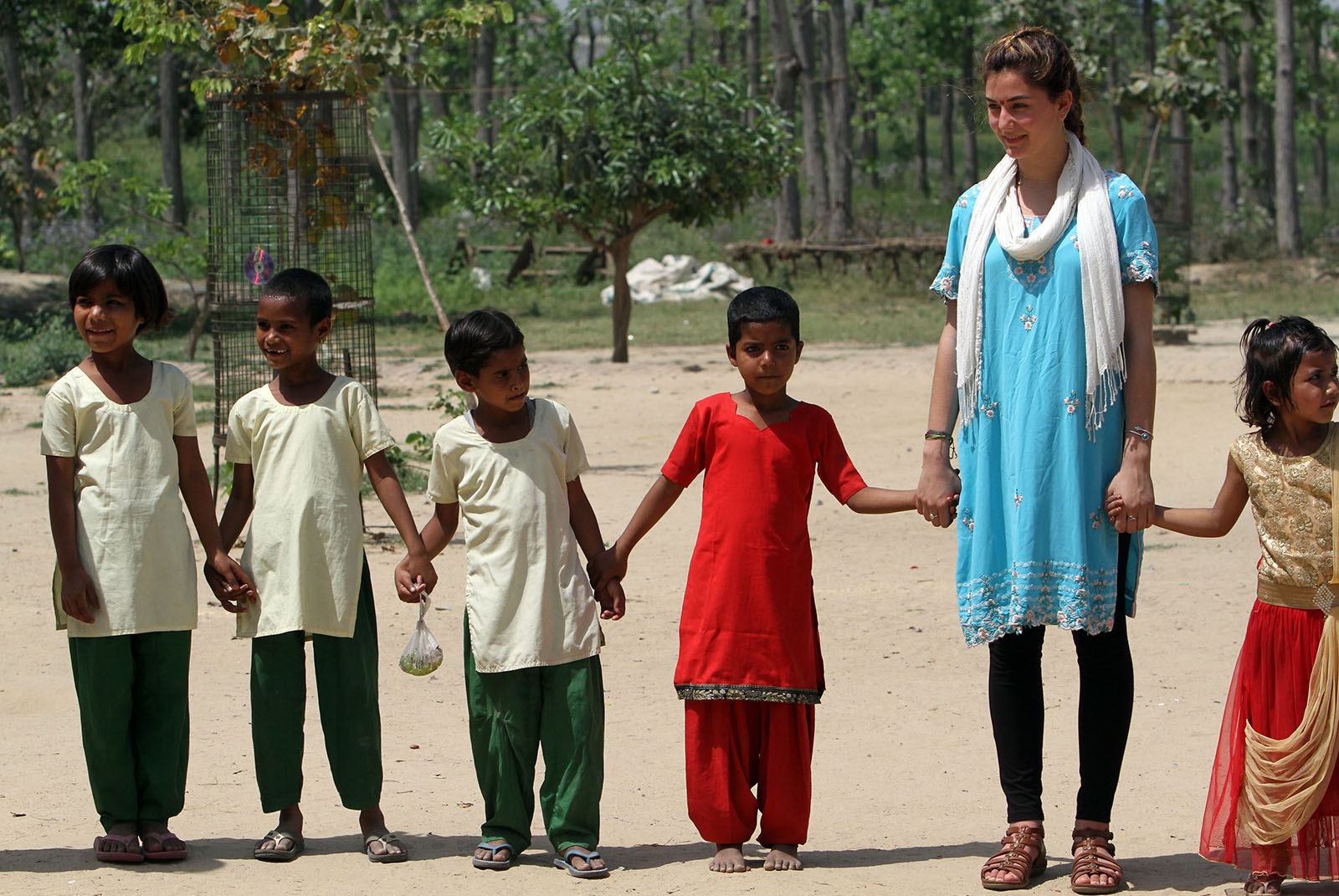
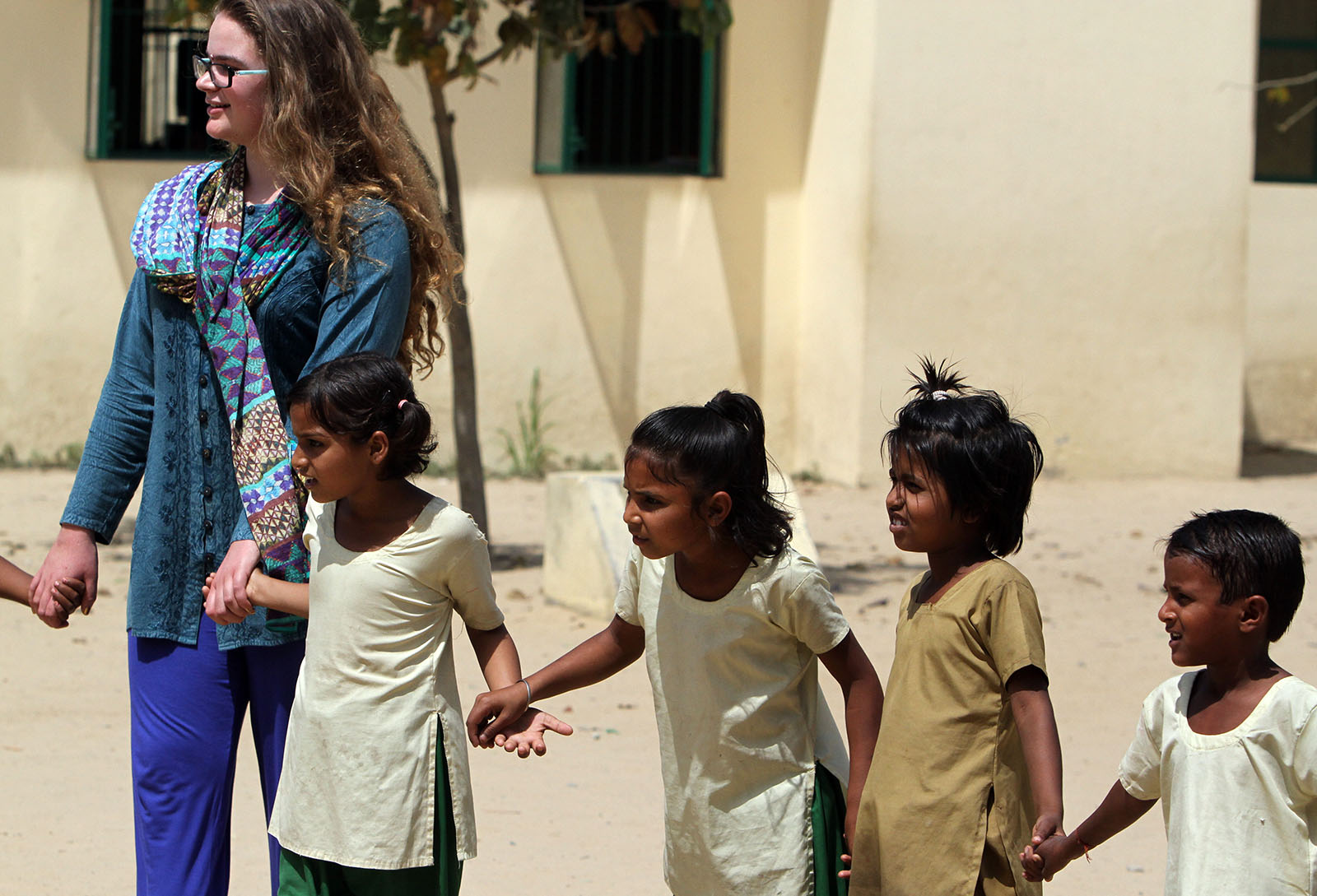
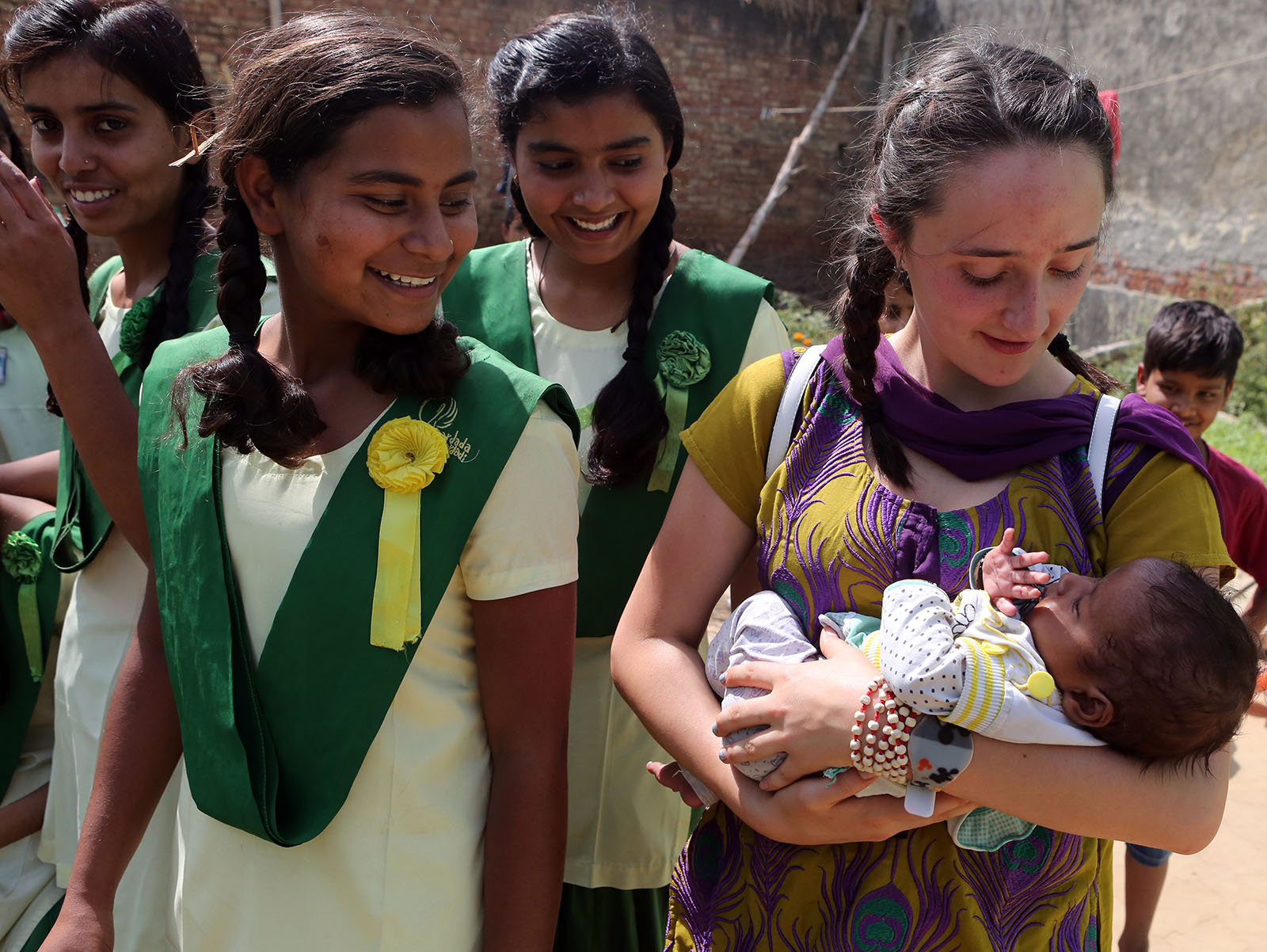
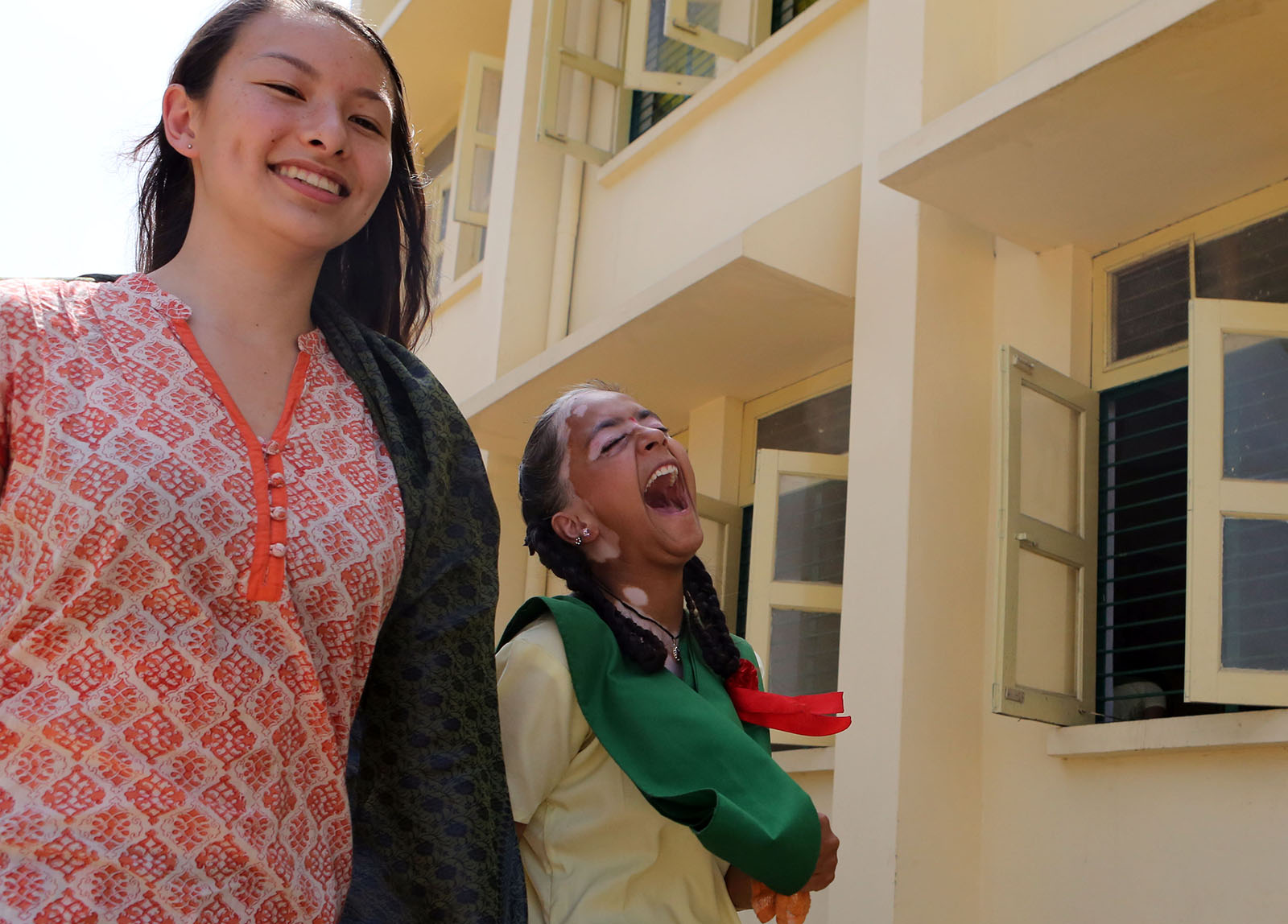
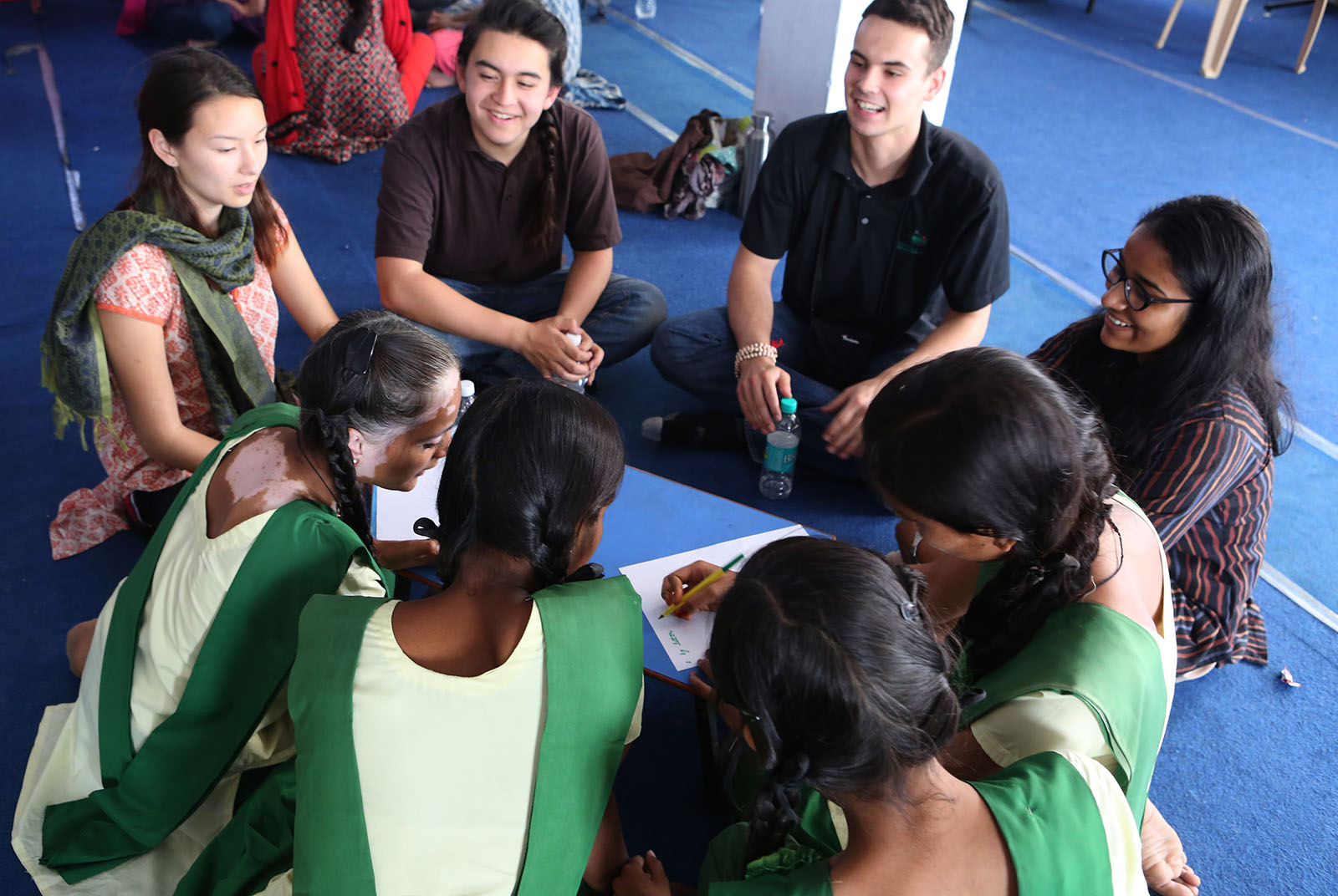
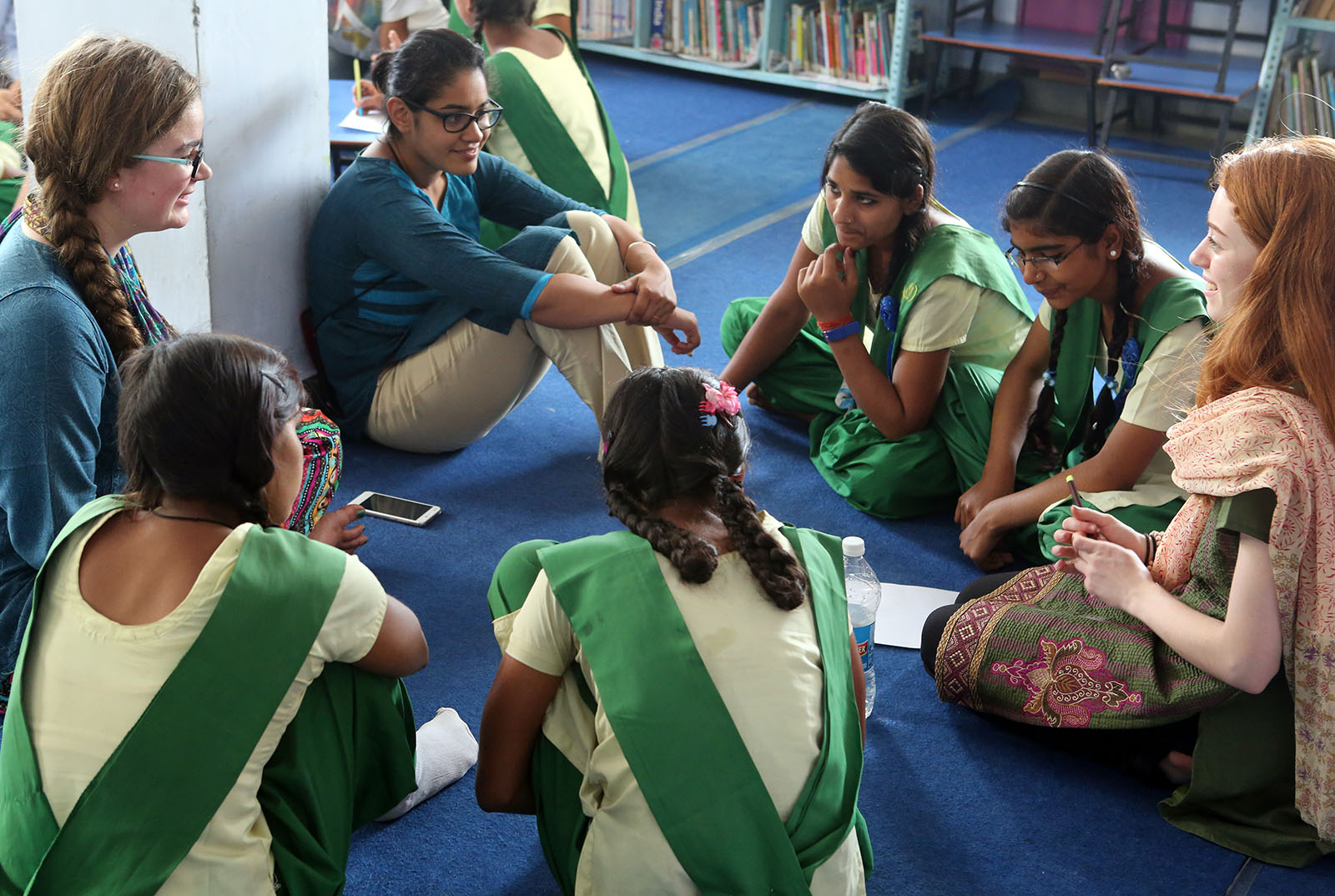
At Pardada Pardadi Educational Society, the students demonstrated a passion and appreciation for education that was absolutely inspiring. These students all come from homes with an income that places them below the poverty line. They have reasonable hope that a quality education will lead to a better life for them and their families. I could see that this opportunity to receive an education brought them all such joy, as they eagerly told us about their studies and showed us around their school with energetic grins and radiant pride.
The Sri Ram Ashram is a place where children who are not fortunate enough to have come from loving homes are given the chance to be a part of a safe and loving family. At the ashram, children may not have a profusion of material items, but they are allowed an opportunity for a better life. They are showered with more love and support than can be put into words. In spite of the adverse circumstances in which these children were born, they are now thriving as part of one big devoted family.
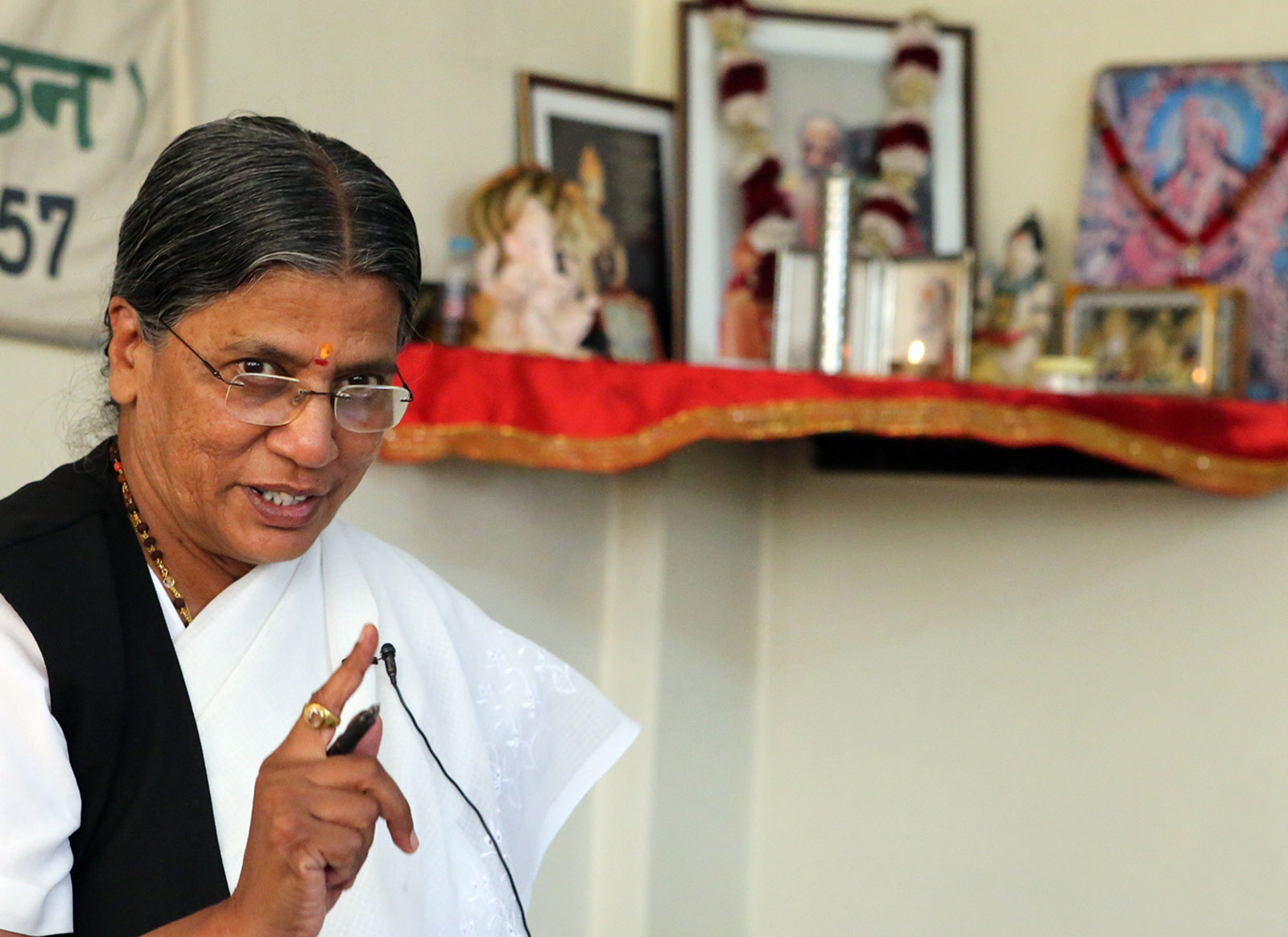
When we spoke to Dr. Metre at CORD (Chinmaya Organisation for Rural Development) another source of happiness was brought to my attention. At CORD, women are given the tools and education necessary to allow them to minimize their over-dependency on their husbands. This functions to build the self-esteem and confidence in women in hundreds of surrounding villages. Those who have been helped in this way by CORD programs are now living freer and happier lives than they had been previously.
Genuine happiness is something that has always been tough for me to find, despite my relatively privileged upbringing. It was something that was palpable amongst the inspiring people I have engaged with over the past two weeks here in India—people who are not nearly as fortunate in regards to their life circumstances. In what I witnessed at Pardada Pardadi, Sri Ram Ashram, and CORD, I recognized that material wealth is not the sole measurement of one’s happiness. I realized that some of the key ingredients to a life of happiness are education, love, support, and opportunity.
Before I make it sound like my life lacks education, love, support, and opportunity, I want to clearly state that I have all of those things. The difference is that I have yet to understand how to use these tools to build myself a life of happiness. Dr. Metre shared with us a story that referenced a “mind bath.” Essentially, a mind bath is the creation of mental silence to ignite mindfulness and obtain clarity in one’s thinking. Using this idea, I have decided that I am in need of a mind bath. I need to combine the resources with which I’ve been blessed with my redefinition of happiness. If I do this, I can construct a life filled with the kind of joy I saw in the eyes, smiles, and souls of the kids at Sri Ram Ashram as they performed for us that night.

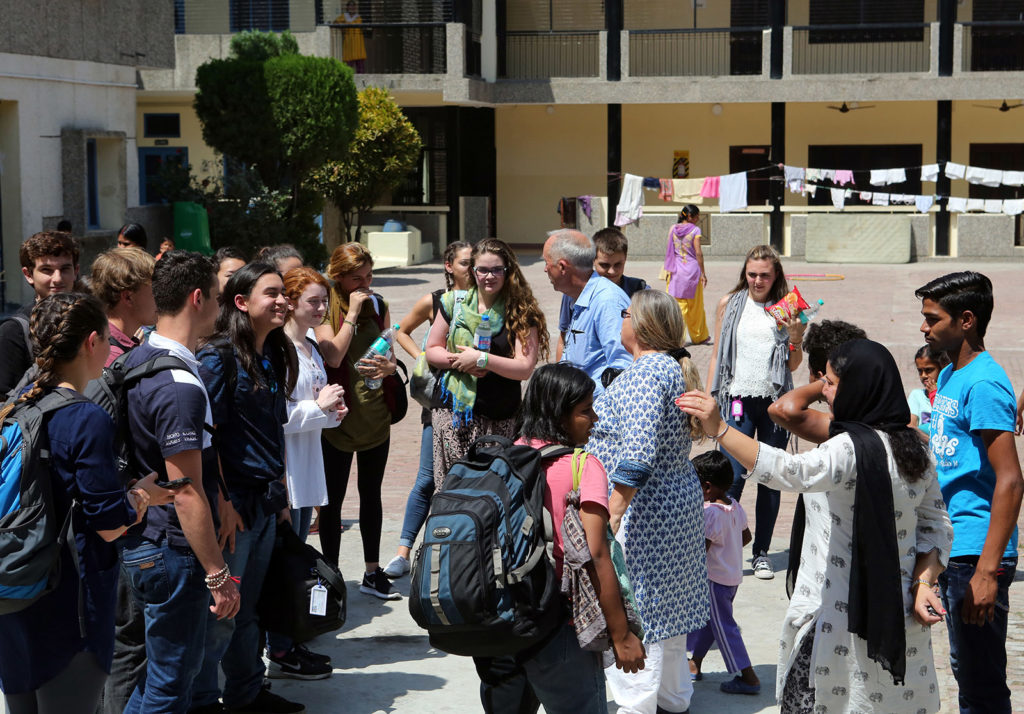
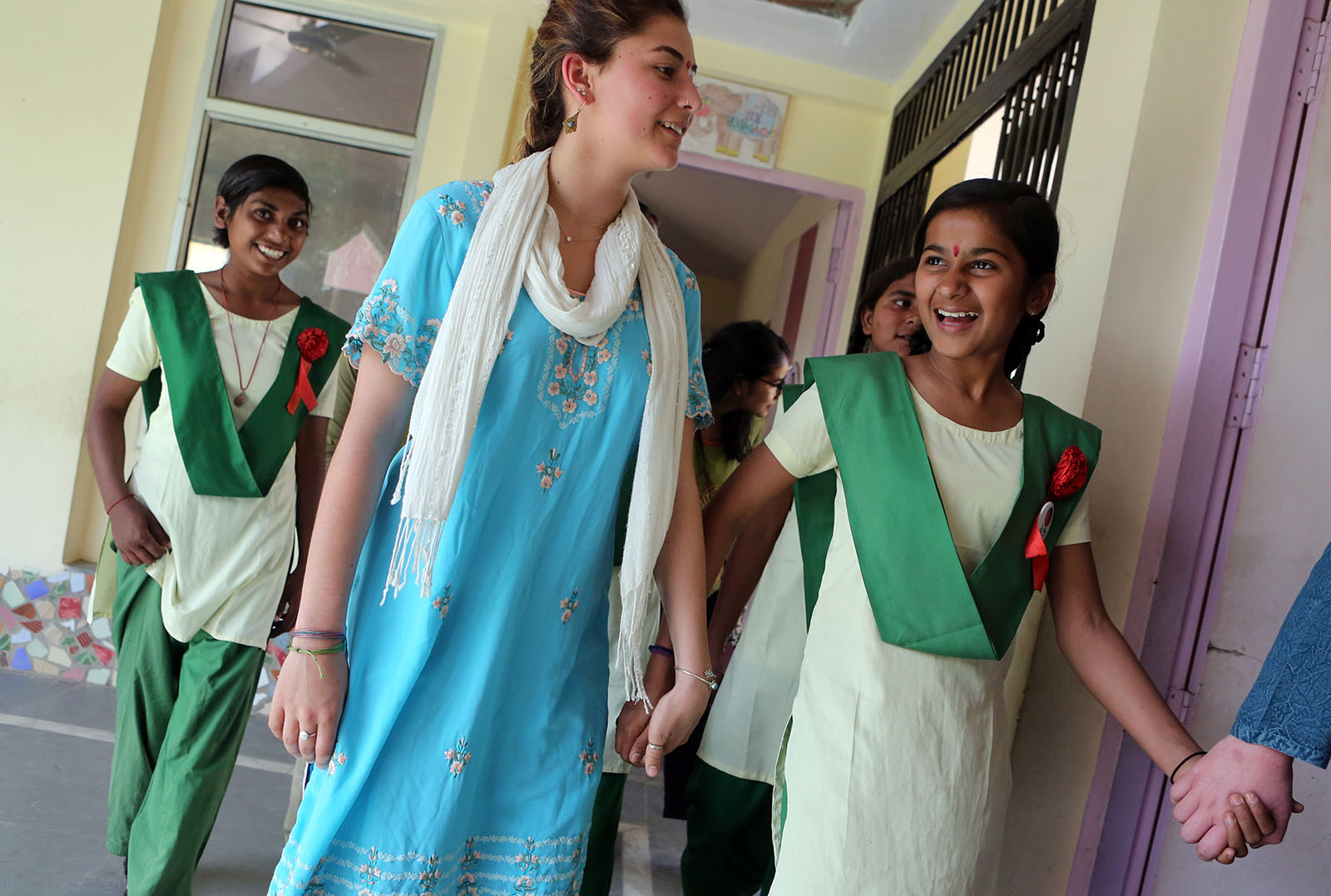
After a long, smelly train ride from Delhi to Haridwar, I was relieved to finally get off and breathe some fresh air. While boarding the bus, I wondered what this place that we have been told so much about would actually be like. I have only heard amazing things about Sri Ram Ashram, and I have anticipated coming here since 6th grade. As we drove from the train station to Sri Ram, we were told more about Haridwar and the Ashram. Shmuel pointed out a statue of Durga where one of the children of Sri Ram Ashram was found. As they opened the gate we saw several of the children waiting for us, smiling and waving. After we had our orientation and settled in a bit, we played with the children. I pushed a couple of them on the swings and as we sat down together I met Puja.
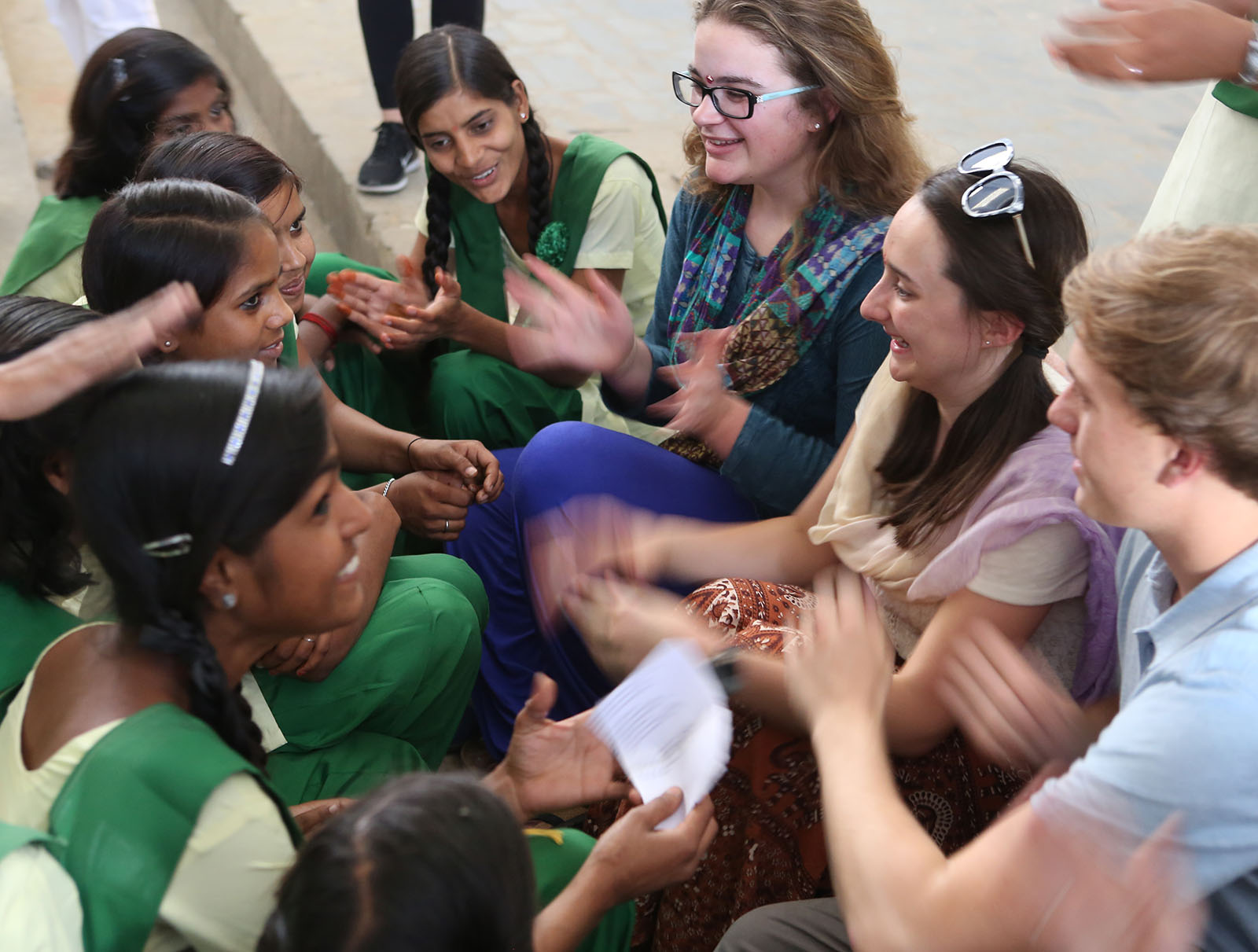
Puja is new to the ashram so she knows very little English. I asked Puja her name and after she told me I tried asking what she likes to do for fun. She told me that she doesn’t speak English. This left me pondering the best way to engage with her. I put my hand out hoping that she might understand that I wanted to play a hand game and she did. Puja placed one hand on top of mine and the other underneath my other hand. She used the hand that was on top to slap my hand as she exclaimed, “January.” I was excited because this was a game that the Pardada Pardadi girls had taught us. We went through the months and I lost every time because it would land on me when we got to December. Other kids joined in and we played until we went on a tour of the ashram.
Puja grabbed my hand and she led me ahead of the others. She would point at the trees and say, “Peach! Mango!” or other fruits that I can’t remember. We didn’t talk much, as we could hardly understand each other. We counted to 100 together; I don’t know how it started or why we did it but Puja had fun. I had to figure out ways to make her laugh without talking. She really liked it when I pretended that my finger was a bee chasing her. Puja tried to teach me a strange version of hopscotch that she was very good at; I was not. This morning we were counting again as I pushed her on the swing. Despite the fact that there were other kids that spoke more English, Puja was the one that I felt the deepest connection with. This experience has taught me that language isn’t the only way to connect with people and build relationships.

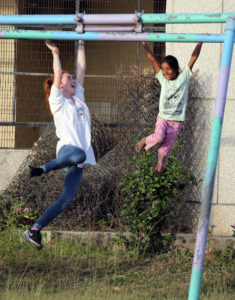
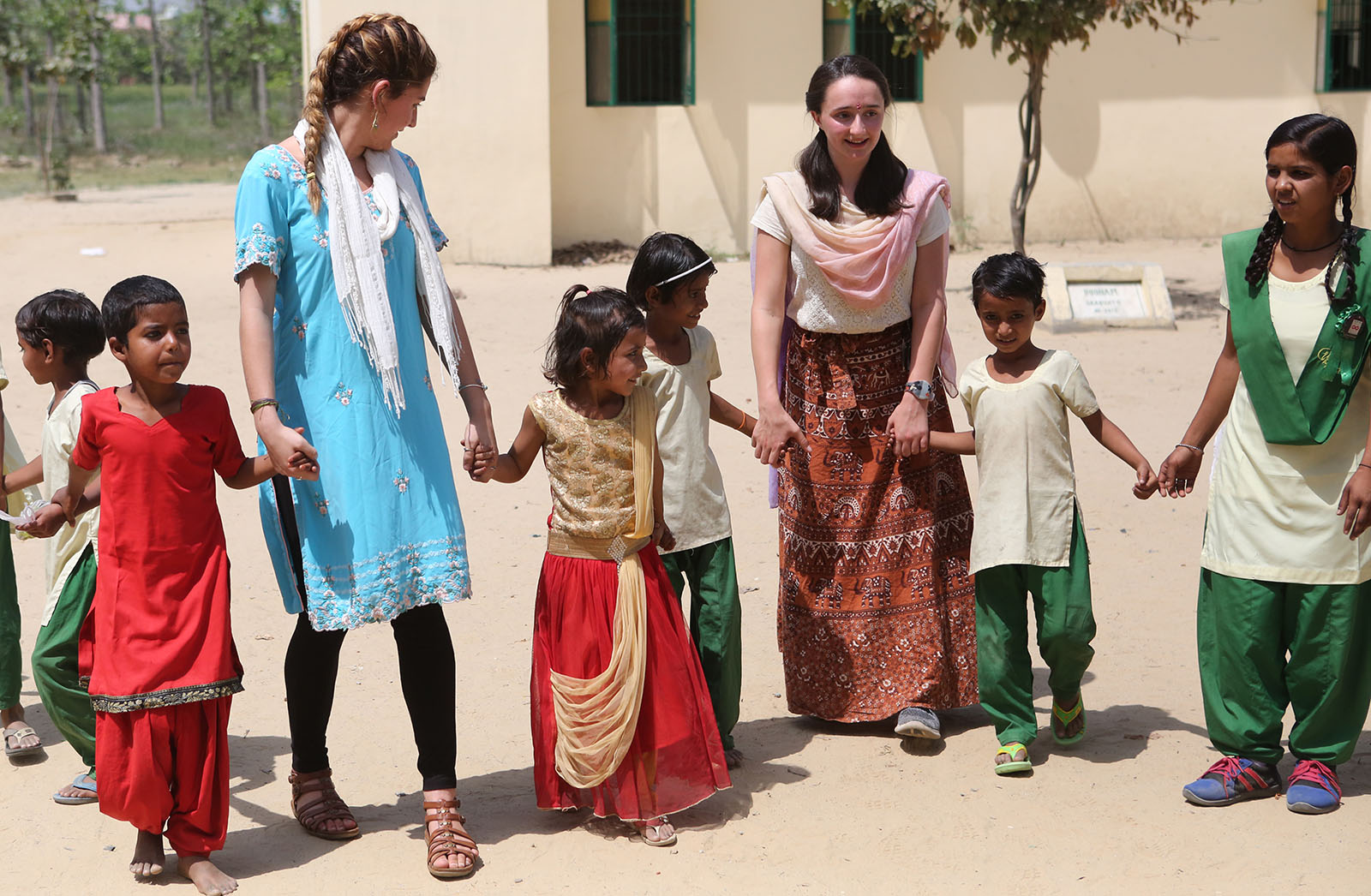
“Come, Didi!” Sita’s small hand was suddenly in mine. She ran up from behind, pulling me toward the rest of the group. Her dusty feet were much faster than mine but I welcomed the challenge of trying to catch up. As we walked with the group, still hand in hand, she pointed to a row of flowers that lined the path. She looked up at me and I could see her thoughts swirling as she tried to remember the English word for flower.
“The flowers?”
“Yes, Didi! Red, orange, pink, roses!” She called out the color of every flower we passed, showing obvious excitement, and being sure to never miss a single flower.
Sita turned to me and pranced over to another patch of flowers. “You now!” she exclaimed as she pointed to a bush full of red roses. After I called out the color, she simply nodded and moved on to the next bush. “Orange?”, another nod.
We played for the rest of the day, until bedtime, when we were forced to go our separate ways. The morning after, I sat on the concrete stage drinking warm masala chai and watching the kids play a version of hopscotch that I wasn’t familiar with. I spotted Sita for the first time that day and she was scampering straight toward me. Upon reaching me, she took out a pink rose from her pocket. “Pink, Didi.” She placed the pink flower in my ponytail and nodded, just as she had the day before.
“Thank you!” Sita smiled and turned to a nearby bush. “Red!” she pointed to the flowers, then quickly returned to playing hopscotch with her brothers and sisters.